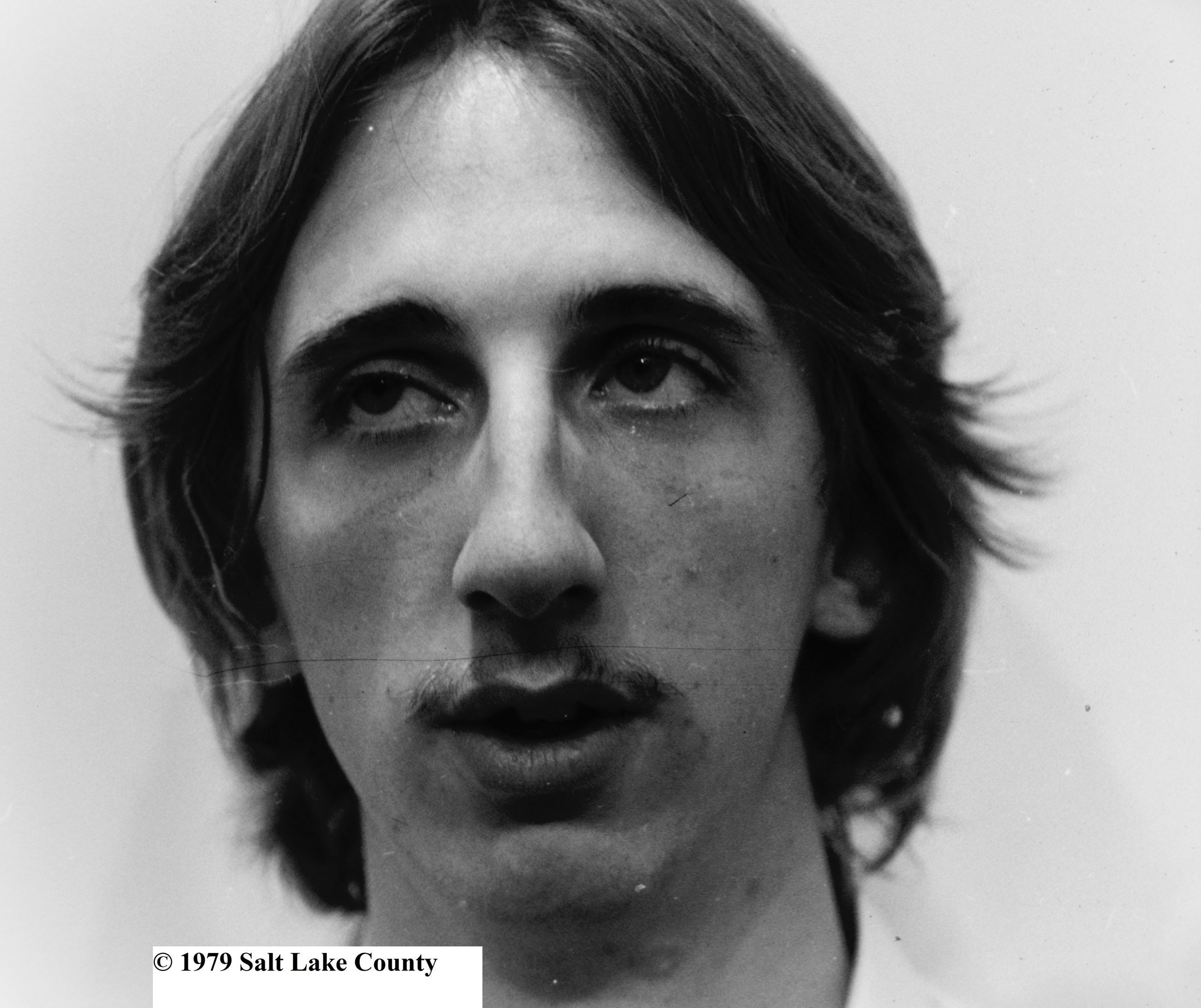
Michael Tenneson: Five Murders Across Wisconsin and Colorado
Background and Escape from Custody
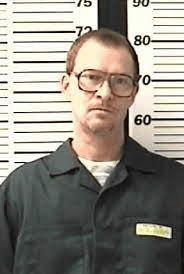
Michael J. Tenneson was born on November 21, 1959, in Wisconsin. By the time he reached adulthood, he had accumulated a criminal record that included burglary and the sexual assault of an elderly woman. His history of violence and property crime placed him repeatedly within the criminal justice system, but his most destructive period began after he escaped from custody in March 1987.
Tenneson was being held at the La Crosse County Jail in Wisconsin when he was allowed to participate in a work-release program. On March 10, 1987, he failed to return to the jail. He remained in the La Crosse area rather than immediately leaving the state, moving through the community while authorities searched for him. Ten days after his escape, he entered a residence on Prospect Street and murdered three people.
The Bush Residence Murders
On March 20, 1987, Tenneson broke into the home of Kenneth Bush in La Crosse, Wisconsin. Investigators determined that the intruder entered through a basement window and forced his way through a locked interior door. The method was significant because Tenneson had previously committed another burglary in the area by entering through a basement window.
Three people were inside the residence: Kenneth Bush, his mother, Lila Bush, and Kenneth's girlfriend, Debra Reget. Tenneson moved through the house and confronted the victims in separate rooms. All three were shot with a .25-caliber firearm. Lila Bush was also beaten during the attack.
The murders were not discovered immediately. The victims' bodies remained inside the residence until concerns about their welfare led to the discovery of the crime scene. Tenneson stole approximately $1,500 and fled in a vehicle belonging to the victims, leaving investigators with a triple homicide, a burglary scene and an escaped prisoner who had disappeared.
Investigation of the Wisconsin Murders
Detectives carefully processed the Bush residence and recovered .25-caliber bullets from the victims. A footwear impression found on the kitchen floor became another important piece of evidence. Investigators learned that Tenneson had recently purchased shoes with a tread pattern consistent with the impression and that he had been seen carrying a Raven .25-caliber semiautomatic pistol.
A neighborhood inquiry led detectives to a local tavern, where a man identified as Tenneson had reportedly entered a restroom and attempted to clean himself. His criminal history, his recent escape and his earlier use of a basement window during a burglary intensified suspicions that he was responsible for the killings.
The stolen vehicle was later found abandoned near Madison, Wisconsin. Detectives canvassed nearby businesses and learned that Tenneson had asked for directions to the closest bus station. Records and witness information indicated that he had boarded a bus and left Wisconsin, beginning a flight that eventually carried him to Denver, Colorado.
Flight to Colorado
Tenneson arrived in Denver on or about March 21, 1987. He used the name Michael Leith while attempting to avoid detection. During the following weeks, he associated with Jeffrey Sheffield and Mitchell Gonzales, two young men who shared a residence in Denver.
On May 20, 1987, Tenneson spent time drinking and using drugs with Sheffield and Gonzales. After the two men had gone to sleep, Tenneson shot each of them in the head at close range. Evidence presented during his prosecution established that the victims were asleep or otherwise defenseless when they were killed, contradicting Tenneson's later claim that Sheffield had attempted to rob him.
After killing the men, Tenneson took Sheffield's automobile. His possession of the vehicle quickly attracted attention. He reportedly displayed or discussed the car the following day, causing others to question how he had obtained it. Police arrested him under the name Michael Leith, initially connecting him to the stolen vehicle and then to the murders of Sheffield and Gonzales.
Confirmed Victims
- Kenneth Bush, 33 — Shot and killed on March 20, 1987, inside his residence on Prospect Street in La Crosse, Wisconsin.
- Lila Bush, 73 — Kenneth Bush's mother. She was beaten and shot on March 20, 1987, inside the same La Crosse residence.
- Debra Reget, 35 — Kenneth Bush's girlfriend. She was shot and killed on March 20, 1987, inside the Bush residence in La Crosse, Wisconsin.
- Jeffrey E. Sheffield, 23 — Shot in the head while asleep on May 20, 1987, at a residence in Denver, Colorado. Tenneson stole Sheffield's automobile after the murder.
- Mitchell Gonzales, 22 — Shot in the head while asleep on May 20, 1987, at the same Denver residence where Jeffrey Sheffield was killed.
Confession to the Wisconsin Killings
After his arrest in Colorado, authorities discovered that Michael Leith was actually Michael Tenneson, the escaped Wisconsin prisoner wanted for questioning in the Bush residence murders. Wisconsin detectives traveled to Denver and interviewed him on May 25, 1987. Tenneson waived his rights and confessed to killing Kenneth Bush, Lila Bush and Debra Reget.
His confession was not necessarily an expression of immediate remorse. Tenneson understood that Wisconsin did not have the death penalty, while Colorado prosecutors could seek his execution for the Denver murders. By admitting responsibility for the Wisconsin killings, he apparently hoped that he might be returned to Wisconsin before Colorado could prosecute him. Colorado authorities refused to surrender their case and placed him on trial first.
Colorado Trial and Convictions
Tenneson went on trial in Denver District Court in 1988 for the murders of Sheffield and Gonzales. His attorneys argued that the killings occurred after a night of drinking and drug use and attempted to portray Sheffield as the aggressor. Prosecutors presented evidence showing that both victims had been killed while asleep and that Tenneson had taken Sheffield's car afterward.
On March 18, 1988, the jury convicted Tenneson of two counts of first-degree murder after deliberation. He was also convicted of aggravated robbery and aggravated automobile theft. The case then entered a penalty phase in which prosecutors sought the death penalty.
The jury heard about Tenneson's criminal history and his confession to the three Wisconsin murders. Defense attorneys presented psychological testimony concerning his childhood, alleged abuse and possible fetal alcohol syndrome. They argued that these circumstances contributed to a serious personality disorder and should be considered as reasons to spare his life.
Eleven jurors reportedly favored a death sentence, but Colorado law required unanimity. Because one juror opposed execution, the jury could not impose death. Tenneson received two life sentences for the murders, along with additional consecutive sentences of 32 years for aggravated robbery and 16 years for automobile theft. Under the sentencing structure imposed at the time, he would have to serve at least 104 years before becoming eligible for parole on the Colorado convictions.
Wisconsin Guilty Pleas
On June 14, 1988, Tenneson was returned to Wisconsin to face charges arising from the murders at the Bush residence. Rather than proceed through a lengthy trial, he pleaded guilty to three counts of murder. He reportedly told the court that continuing with a full trial was pointless because he had already confessed and had received lengthy sentences in Colorado.
In exchange for the guilty pleas, prosecutors dismissed several lesser charges, including armed burglary, possession of a firearm by a convicted felon and a repeat-offender allegation. Tenneson received three additional life sentences, one for each of the Wisconsin victims.
Criminal Classification and Motive
Tenneson is commonly classified as a serial killer because he murdered five people in two separate incidents in different states, with approximately two months separating the Wisconsin and Colorado crimes. His case also contains characteristics of a multistate killing spree. The Wisconsin murders occurred during a residential burglary and were followed by theft and flight, while the Colorado murders involved acquaintances whom he killed before stealing a vehicle.
Financial gain and the desire to avoid detection were central elements of his crimes. At the Bush residence, he stole money and a car after eliminating the occupants. In Denver, he killed Sheffield and Gonzales while they were vulnerable and took Sheffield's vehicle. The calculated manner in which he attacked sleeping or isolated victims, stole their property and moved between states demonstrated a willingness to use lethal violence whenever it served his immediate purposes.
Imprisonment and Later Statements
Tenneson remained incarcerated in Colorado under multiple life sentences. In later years, he participated in artistic and musical programs for prisoners serving lengthy sentences. Through those projects, he discussed childhood abuse, institutionalization and the emotional problems that shaped his development.
He has stated that those experiences affected his view of people and authority but did not excuse the murders. In later expressions of remorse, Tenneson acknowledged that no apology, song, artwork or display of regret could restore the lives of Kenneth Bush, Lila Bush, Debra Reget, Jeffrey Sheffield and Mitchell Gonzales.
Legacy of the Case
The Michael Tenneson case demonstrated how an escaped offender could cross state lines and continue committing violent crimes before law-enforcement agencies were able to connect the incidents. The Wisconsin investigation depended on traditional crime-scene work, including firearm evidence, a footwear impression, witness interviews and the tracing of a stolen vehicle. Cooperation between Tenneson's family, Wisconsin detectives and Denver authorities ultimately exposed his false identity and linked him to all five murders.
Although Tenneson avoided execution because the Colorado jury was not unanimous, the combination of his Colorado and Wisconsin sentences ensured that he would remain imprisoned for the rest of his natural life. His victims were killed within a period of only two months in 1987, leaving two communities and several families permanently affected by a sequence of crimes that began with an escape from custody and ended with five confirmed murders.