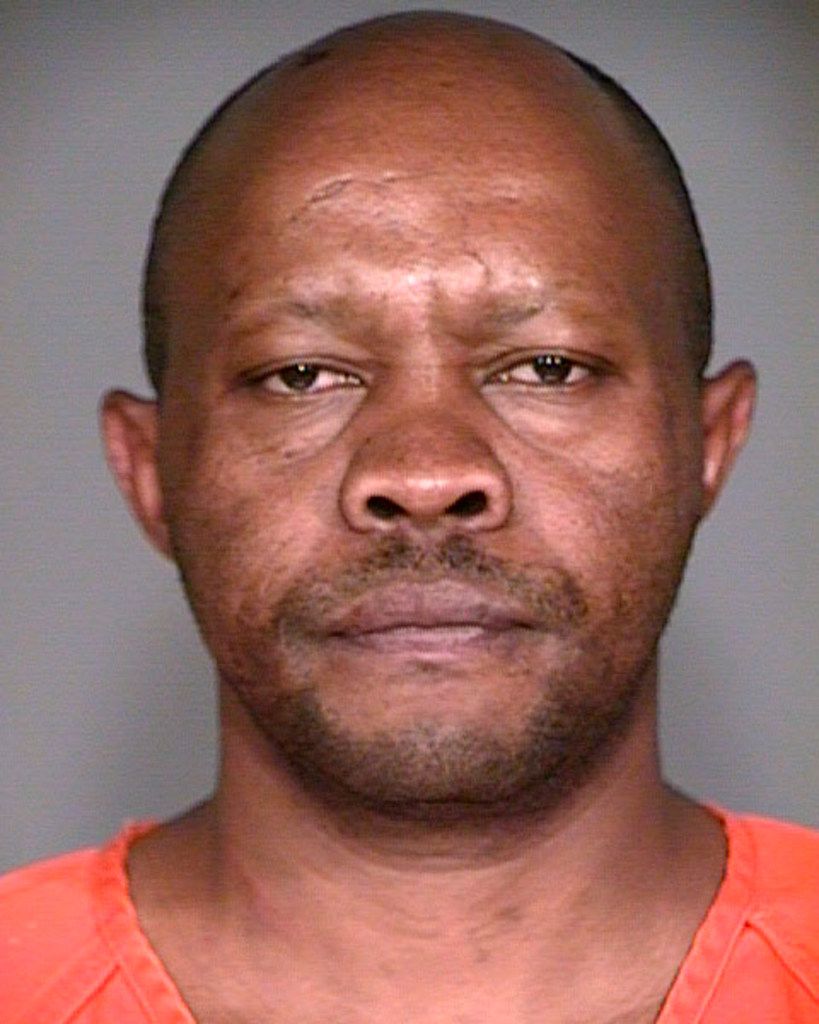
Warren Harris Jr.: The French Quarter Stabber
Overview
In the spring of 1977, a wave of terror gripped the vibrant and historic French Quarter of New Orleans. A series of brutal stabbings, primarily targeting gay men, left the community on edge and sparked fears of a serial killer. The perpetrator, dubbed "The French Quarter Stabber," was responsible for a string of violent attacks that left three men dead and a city in fear. The killer was eventually identified as 16-year-old Warren Harris Jr., whose crimes and subsequent conviction would raise complex questions about justice, motive, and rehabilitation that would echo for decades. His case took a significant turn in 2024 when, after nearly half a century in prison, he was granted parole.
Early Life and Background
Born in New Orleans in either 1960 or 1961, Warren Harris Jr. had a troubled upbringing. Raised by his mother and maternal grandfather, a respected Baptist minister, Harris began a life of petty crime at a young age. His offenses included purse snatching and theft, and in 1974, at the age of 13, he was incarcerated for auto theft. Despite this criminal record, he was not considered a violent individual. After dropping out of school in the eighth grade, he moved into an apartment in the French Quarter with a transgender roommate.
The Murders
The series of murders began on Valentine's Day, February 14, 1977, with the death of 47-year-old Robert Gary, who was found stabbed to death in his Dumaine Street apartment. This was followed by the murder of James McClure, 32, on March 2, who was found in a vacant lot. However, police would later determine that McClure's death was unrelated to the other stabbings.
The fear in the French Quarter escalated on March 21, when 38-year-old Jack Savell was found stabbed to death in his apartment on Esplanade Avenue. Savell worked at Werlein's for Music, a well-known local establishment.
Just over a week later, on April 1, Alden D. Delano, 59, was found murdered in his Royal Street apartment. Delano was a piano teacher at the same music store where Savell was employed, a connection that deepened the community's anxiety.
The final murder occurred on April 7. Ernest Pommier, 77, was found stabbed to death in his ground-floor apartment, also on Esplanade Avenue. Pommier was stabbed a reported 50 to 78 times. Unlike the other victims, Pommier was not known to be gay.
The attacks, all taking place within a 20-block radius, created a climate of fear, particularly within the gay community, which felt it was being systematically targeted. New Orleans police increased patrols, with officers on horseback becoming a common sight around the strip clubs and jazz parlors of the French Quarter.
The Victims
The men who lost their lives to Warren Harris came from different walks of life, their common thread being the tragic circumstances of their deaths.
- Jack Savell, 38 — Killed on March 21, 1977, in his New Orleans apartment. He was an employee at the well-known Werlein's for Music.
- Alden D. Delano, 59 — Murdered on April 1, 1977, in his French Quarter apartment. He was a piano teacher and a coworker of Jack Savell at Werlein's for Music.
- Ernest Pommier, 77 — Stabbed to death on April 7, 1977, in his apartment. He was a well-liked elderly man, often seen sitting outside his home with his dog.
Harris was also charged with the February 14, 1977, murder of Robert Gary, 47, but was ultimately acquitted of this crime at trial. Police initially suspected a fifth man, James McClure, 32, who was killed on March 2, to be a victim of the "French Quarter Stabber," but his death was later ruled to be unrelated to Harris's crimes.
Investigation and Capture
The New Orleans Police Department's investigation into the string of stabbings was intense, fueled by public fear and media attention. The breakthrough came on April 13, 1977, when Harris was arrested for the attempted robbery and stabbing of a French seaman. During his interrogation, detectives noted his expressed "revulsion" towards homosexuals and began to question him about the French Quarter murders.
Harris subsequently confessed to four of the murders: Gary, Savell, Delano, and Pommier. He was then charged with four counts of first-degree murder. His mother and grandfather, who were present during some of the interrogations, expressed their belief that while he may have been involved, someone else was the actual killer. Harris later attempted to have his confession thrown out, claiming that he was threatened by police, but this motion was dismissed.
Trial and Sentence
Warren Harris Jr.'s trial began in October 1977. The prosecution argued that Harris, possibly working as a sex worker, committed the murders after having sex with his victims during a weeks-long heroin binge. The defense countered that Harris's confessions were coerced. His attorneys also argued for mercy, citing his youth and mental records that described him as "borderline mentally retarded."
After less than a month, the jury found Harris guilty on three counts of first-degree murder for the deaths of Jack Savell, Alden Delano, and Ernest Pommier. He was acquitted of the murder of Robert Gary. Prosecutors sought the death penalty, but the jury ultimately recommended life in prison. In November 1977, Harris was sentenced to three consecutive life terms without the possibility of parole. An appeal to the Louisiana Supreme Court in 1980 was unsuccessful, with the court ruling that his confessions were made "freely and voluntarily."
A Path to Parole
For decades, it seemed Warren Harris Jr. would spend the rest of his life at the notorious Louisiana State Penitentiary, known as Angola. However, a series of landmark U.S. Supreme Court decisions altered the course of his sentence. In 2012, *Miller v. Alabama* ruled that mandatory life sentences without parole for juvenile offenders were unconstitutional. Four years later, *Montgomery v. Louisiana* made that ruling retroactive.
These decisions paved the way for a 2017 Louisiana law that made "juvenile lifers" eligible for parole after serving 25 years, provided they met certain requirements, including earning a GED. In 2021, Harris was resentenced to life with the possibility of parole.
On April 17, 2024, at the age of 63, Warren Harris Jr. appeared before the Louisiana Parole Board. He expressed remorse for his crimes, attributing his actions to a heroin addiction and a need for money. "I became affiliated with some of the victims and was asked to accompany them to their home, and at the time when we entered the home, I robbed and killed those men, and I regret it, and I'm so sorry every day," he told the board. No family members of the victims were present at the hearing.
The board voted 2-1 to grant him parole. One board member who voted in favor stated, "It was a very horrific crime, but I do feel that you've done all you can do in Angola." Harris was released from prison and will remain under parole supervision for the rest of his life.
Aftermath and Legacy
The release of Warren Harris Jr. after 46 years in prison reignited discussions about the case and the nature of justice for juvenile offenders who commit heinous crimes. For the city of New Orleans, the "French Quarter Stabber" case remains a dark chapter in its history, a reminder of a time when fear pervaded one of its most iconic neighborhoods. The murders also highlighted the vulnerability of the gay community, which felt targeted and terrorized. The case serves as a complex example of the intersection of crime, punishment, and the evolving legal standards for juvenile offenders in the American justice system.