Allan Joseph Legere: The Monster of the Miramichi
Overview
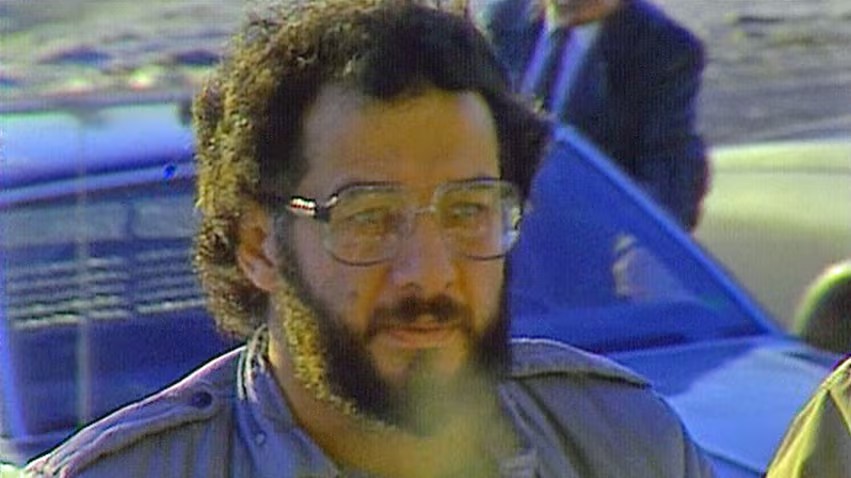
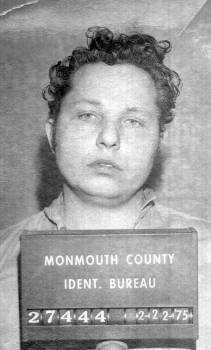
Allan Joseph Legere, known as the "Monster of the Miramichi," was a Canadian serial killer, rapist, and arsonist whose reign of terror in 1989 paralyzed the communities along New Brunswick's Miramichi River. Already serving a life sentence for a brutal 1986 murder, Legere escaped custody on May 3, 1989, and for 201 terrifying days, he eluded one of the largest manhunts in Royal Canadian Mounted Police (RCMP) history. During his time at large, he committed four more murders, multiple sexual assaults, and arsons, instilling a deep and lasting fear in the region. His eventual capture and trial were landmark events in Canadian legal history, marking one of the first times DNA evidence was used to secure a conviction.
Early Life and Background
Allan Legere was born on February 13, 1948, in Chatham, New Brunswick, a community that later became part of the city of Miramichi. His childhood was marked by poverty and instability. His father was absent, and he was raised by his single mother in a rough neighborhood known for crime. Legere's resentment toward the community grew from a young age, and he developed a reputation for petty crime and unpredictable violence. A significant childhood trauma occurred when his older brother was killed in a traffic accident, an event that reportedly led his grieving mother to tell Allan that the "wrong son had been killed."
Legere's criminal record began in 1964 and included convictions for property crimes. As an adult, he worked for a time as a car salesman and was married with two children, but the marriage ended in divorce. His personality was described as two-faced; he could be charming and friendly to some, while others found him frightening and cruel. This duality masked a deep-seated anger that would eventually explode into horrific violence.
The Murder of John Glendenning
On the evening of June 21, 1986, Allan Legere, then 38, along with two younger accomplices, Scott Curtis and Todd Matchett, broke into the home of John and Mary Glendenning in Black River Bridge. The couple, who were in their 60s, owned and operated a small general store attached to their house. After cutting the power, the trio brutally beat both John and Mary. John Glendenning, 66, was beaten to death. His wife, Mary, was sexually assaulted and left for dead.
Despite her severe injuries, Mary Glendenning regained consciousness, discovered her husband's body, and managed to crawl to a phone to call for help. She was able to identify Allan Legere, a regular customer at their store, as one of the attackers. In January 1987, Legere was convicted of second-degree murder for his role in the crime and sentenced to life in prison with no chance of parole for 18 years.
Escape and Reign of Terror
Legere was incarcerated at the Atlantic Institution, a maximum-security penitentiary in Renous, New Brunswick. On May 3, 1989, he was escorted to the Dr. Georges-L.-Dumont Hospital in Moncton for treatment of an ear infection. In a hospital washroom, Legere, who was in handcuffs and leg shackles, managed to pick the locks. He had concealed a piece of metal in a cigar and a collapsed TV antenna in his rectum to aid his escape. He burst out of the washroom, leaving his restraints behind, and carjacked a woman in the parking lot, beginning a seven-month period of terror for the Miramichi region.
The manhunt for Legere was massive, but he proved to be a phantom, committing violent crimes while remaining one step ahead of the law. The communities of Chatham, Newcastle, and the surrounding areas were gripped by fear. Residents armed themselves, installed floodlights, and lived in a constant state of anxiety.
Less than a month after his escape, on May 28, 1989, Legere broke into the Chatham home of 75-year-old shopkeeper Annie Flam. He brutally beat, raped, and murdered her. He also attacked her sister-in-law, Nina Flam, who was in the home, beating and sexually assaulting her before setting the house on fire. Nina survived the attack.
Months passed, and the fear intensified. On October 13, 1989, Legere struck again, this time in Newcastle. He broke into the home of two sisters, Donna Daughney, 45, and Linda Daughney, 41. Both women were sexually assaulted and beaten to death before Legere set their house ablaze. The savage nature of the crimes sent further shockwaves through the already terrified community.
The final murder occurred on the evening of November 15, 1989. Father James Smith, a 69-year-old Roman Catholic priest, was found beaten to death in the rectory of the Nativity of the Blessed Virgin Mary Church in Chatham Head. The murder of a beloved priest in his own home marked the peak of Legere's violent rampage.
The Victims
The five people murdered by Allan Legere were deeply rooted in their communities.
- John Glendenning, 66 — June 21, 1986, in Black River Bridge. A respected shopkeeper, he and his wife Mary ran their small general store for over 30 years and were described as kind, church-going people.
- Annie Flam, 75 — May 28, 1989, in Chatham. A beloved shopkeeper whose family store was considered "the heart of the neighbourhood." She was a proud and kind woman dedicated to her community and her Jewish faith.
- Donna Daughney, 45 — October 13, 1989, in Newcastle. Described as outgoing and protective of her younger sister, Donna was a perfectionist who worked part-time and was dedicated to fitness.
- Linda Daughney, 41 — October 13, 1989, in Newcastle. Linda was more timid than her sister and was remembered for her love of earrings. The sisters were very close to their neighbors, who considered them family.
- Father James Smith, 69 — November 15, 1989, in Chatham Head. A Roman Catholic priest who was found beaten to death in his rectory.
Investigation and Capture
The RCMP's manhunt for Allan Legere was one of the largest in Canadian history. Despite numerous sightings and close calls, Legere managed to survive by breaking into homes for food and supplies, always remaining elusive. The investigation into the four murders committed after his escape was complex, as there were no witnesses.
The breakthrough came from the emerging science of DNA profiling. Biological evidence collected from the crime scenes was analyzed, and investigators were able to build a DNA profile of the killer. On November 16, 1989, the RCMP confirmed that DNA testing had linked the same person to the murders.
The hunt for Legere came to a dramatic end on November 24, 1989. He carjacked a taxi in Saint John and forced the driver to head toward Moncton. Due to snowy conditions, the taxi spun off the highway. An off-duty RCMP officer stopped to help, and Legere took her hostage as well. After a series of events involving multiple hostages, Legere was cornered near Nelson-Miramichi. With police closing in, he surrendered. His 201 days on the run were over.
Trial and Sentence
Allan Legere's trial for the four murders began in August 1991. He was held at the York County Jail in Fredericton during the proceedings. The prosecution's case was groundbreaking for its reliance on DNA evidence. At the time, DNA profiling was a novel technology in the Canadian legal system, and Legere's case became a crucial test. His defense lawyers argued that the relatively small gene pool in the Miramichi region could lead to false positives, but the scientific evidence proved overwhelming.
In November 1991, the jury found Allan Legere guilty of four counts of first-degree murder, as well as related charges of arson and sexual assault. He was sentenced to life imprisonment with no possibility of parole for 25 years. He was also declared a dangerous offender. This sentence was to be served concurrently with the life sentence he was already serving for the murder of John Glendenning.
Aftermath and Legacy
The crimes of Allan Legere left an indelible scar on the Miramichi region. The sense of safety and community trust was shattered, and the fear he instilled lingered for decades. Victim impact statements submitted years later spoke of the continuing fear that he might one day return.
Legere's case had a significant legal legacy, establishing the admissibility of DNA evidence in Canadian courts to secure a conviction, rather than just for exoneration. The entire trial, comprising some 60,000 pages of transcripts and exhibits, has been digitized by the University of New Brunswick Law Library to preserve its historical importance.
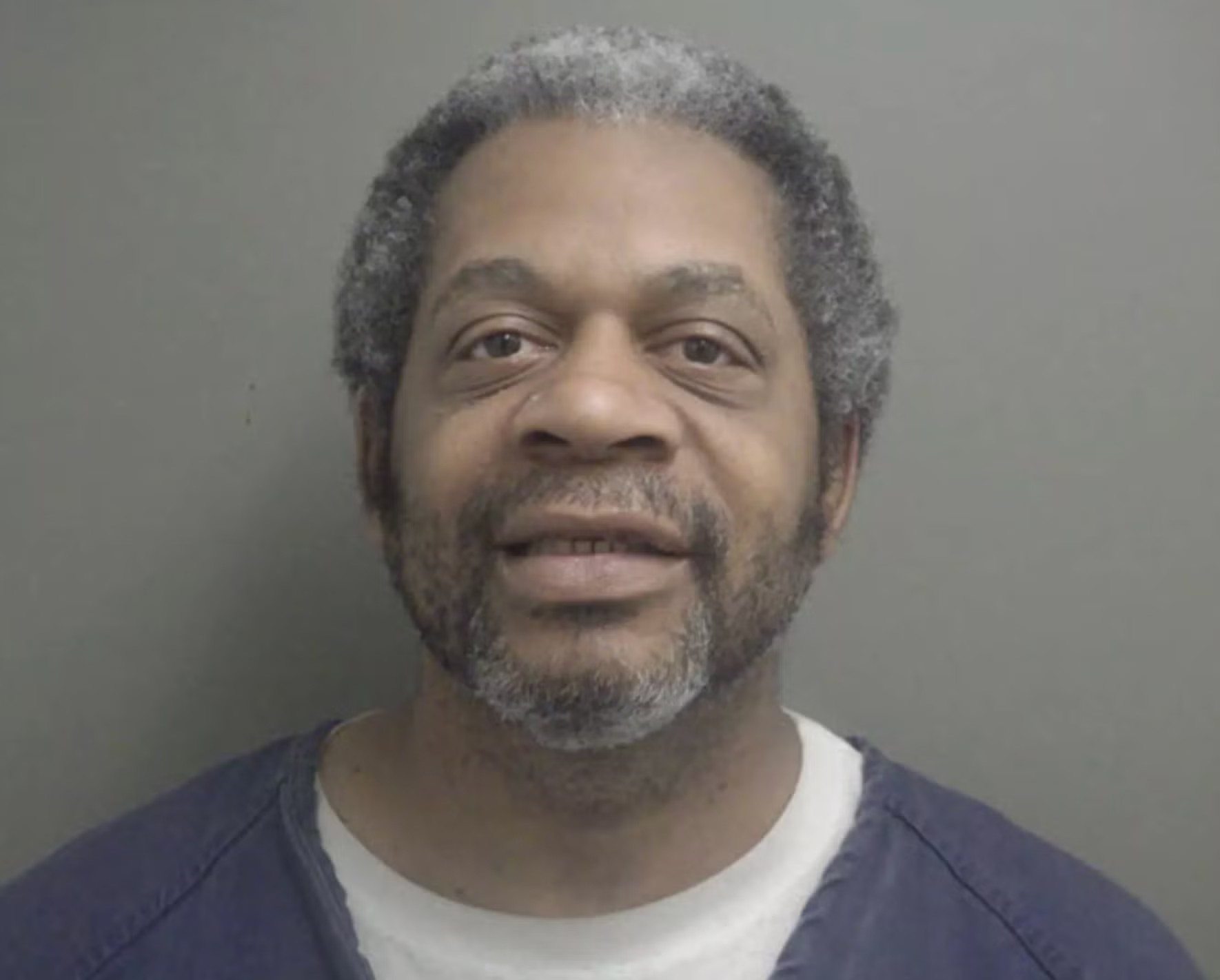
Legere spent most of his incarceration in Canada's maximum-security Special Handling Unit (SHU) before being transferred to the Edmonton Institution in 2015. He was repeatedly denied parole, with the parole board citing his lack of remorse, poor behavior in prison, and the high risk he continued to pose to the public. On March 9, 2026, Correctional Service Canada announced that Allan Legere had died in custody at the age of 78. His death brought a final, quiet end to one of the most terrifying chapters in Canadian crime history.