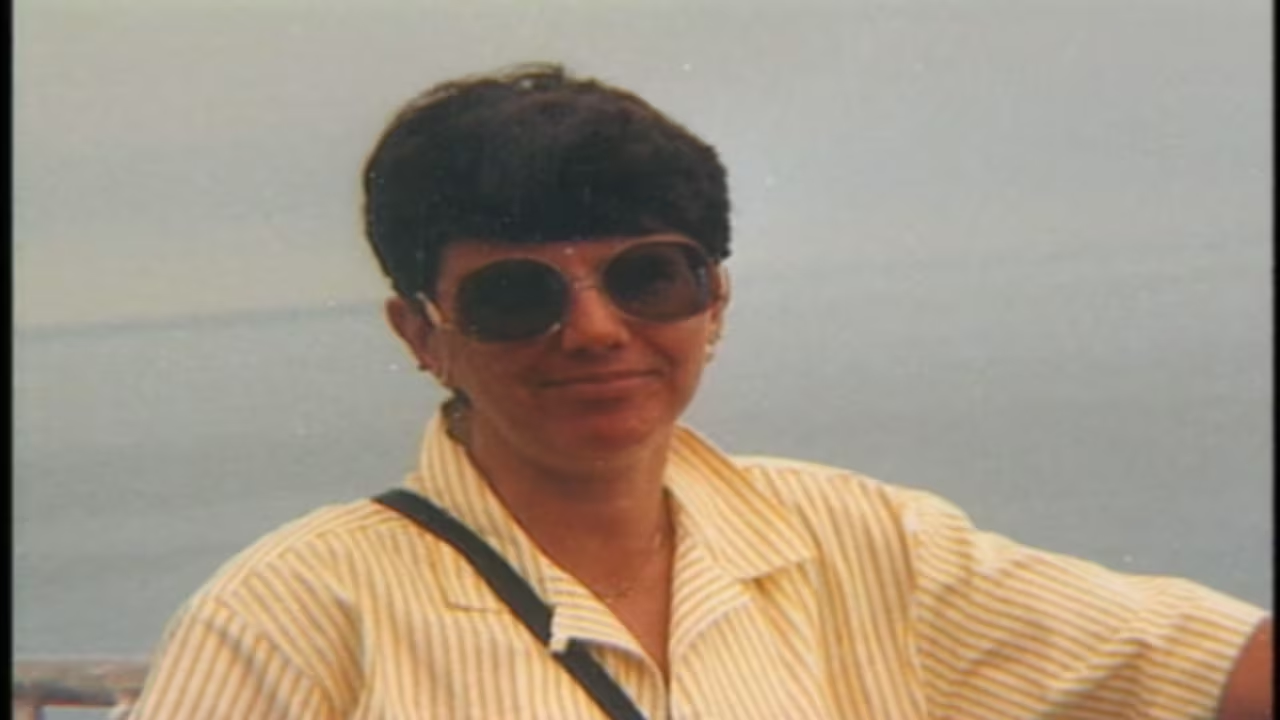
In the close-knit community of Newcastle, New Brunswick, sisters Donna and Linda Daughney were a familiar and welcome presence. Donna Alberta Daughney, a 45-year-old female, was known for her outgoing personality and protective nature, especially toward her younger sister. A perfectionist at heart, Donna was dedicated to fitness, walking for miles each day and lifting weights at the local gym.
She worked part-time for the local welfare department and had previously moved to Ontario for work but returned to Newcastle to care for her ailing father before he passed away. She and her sister Linda, 41, lived together on Mitchell Street, where they had been neighbors with some residents for over three decades.
The sisters were exceptionally close to their neighbors, Bernard and Mrs. Geikie, who considered them family. "We considered them our daughters," Bernard Geikie later recalled, sharing memories of Donna getting ready for her prom at their house and the joy of her first new dress at age 12. He described Donna as someone who could "light up" a dull day. Linda, who was more timid than her older sister, was remembered for her love of earrings, often wearing several pairs at once. The sisters were a constant, comforting presence in the neighborhood, often taking the Geikies' grandchildren out and phoning them if they hadn't seen them for a few days.
The sense of safety and community in the Miramichi region was shattered in the spring of 1989. On May 3, Allan Joseph Legere, a convicted killer serving a life sentence for the 1986 beating death of shopkeeper John Glendenning, escaped from custody during a hospital visit in Moncton. Legere, who would become known as the "Monster of the Miramichi," embarked on a seven-month reign of terror, committing brutal beatings, sexual assaults, arson, and murder. His crime spree instilled a deep fear throughout the province, with residents taking measures to protect themselves, many sleeping with loaded rifles.
On the night of Friday, October 13, 1989, that terror visited the Daughney sisters' home. Legere broke into their house, where he brutally beat, sexually assaulted, and murdered both women. After the attack, he set fires within the home in an attempt to destroy evidence. The following morning, firefighters discovered the horrific scene. Donna's body was found tucked into her bed, while Linda's was on the floor in the same room. The autopsies revealed the extent of the violence: Linda had suffered broken jaws, puncture wounds, and had been partially strangled, while Donna died from the severe beating and from aspirating her own vomit.
The murders of Donna and Linda Daughney were part of a string of killings committed by Legere while he was at large. His other victims included 75-year-old shopkeeper Annie Flam and 69-year-old priest Father James Smith. A massive manhunt, one of the largest in Royal Canadian Mounted Police history, was launched to capture the fugitive. The investigation into the Daughney murders, and Legere's other crimes, became a landmark case in Canadian legal history. It was one of the first times DNA profiling was used to secure a conviction. Semen samples found at the crime scenes were matched to Legere's DNA, providing crucial evidence linking him to the slayings.
Allan Legere was finally recaptured on November 24, 1989, ending his 201-day rampage. In November 1991, following a trial that captivated and horrified the nation, he was convicted of four counts of first-degree murder for the deaths of Annie Flam, Father James Smith, and Donna and Linda Daughney. He was sentenced to life in prison with no possibility of parole for 25 years. This was in addition to the life sentence he was already serving for the 1986 murder and a nine-year sentence for his escape. Legere was denied parole on multiple occasions and remained imprisoned until his death in custody in March 2026. The funeral for the Daughney sisters was attended by about 100 mourners, including their only surviving immediate relative, a sister who lived in Alaska.