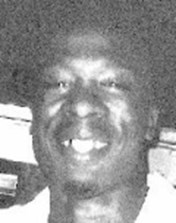
In the spring of 1977, a palpable fear gripped the historic streets of New Orleans’ French Quarter. A series of brutal stabbings had the city on edge, and residents worried that a serial killer was moving through their vibrant community. This wave of terror struck the life of Jack Savell, a 38-year-old male employee of the city’s most famous music store, on March 21, 1977.
His murder was not an isolated event but part of a crime spree that would leave a lasting scar on the city.
Jack Savell worked at Werlein's for Music, a legendary institution on Canal Street that had been supplying instruments and sheet music to New Orleans musicians for over a century. It was a place of history and culture, having sold instruments to the likes of Fats Domino and provided a start for countless local artists. Jack was part of this musical fabric. But on that Monday in March, he was found stabbed to death inside his apartment at 820 Esplanade Avenue, becoming a victim of the man the press would dub "The French Quarter Stabber."
The killing spree continued, creating a climate of intense fear, particularly within the city's gay community, as most of the victims were gay men living alone. Just eleven days after Jack’s death, the killer struck again, murdering 59-year-old Alden D. Delano in his apartment on April 1. The connection was chilling: Delano was a piano teacher and a coworker of Jack Savell's at Werlein's for Music. The murders, happening within a compact seven or eight-block area of the French Quarter, prompted police to increase patrols, with officers on horseback monitoring the neighborhood's famous jazz clubs and strip joints.
The break in the case came on April 13, 1977, when police arrested a 16-year-old named Warren Harris Jr. after he attempted to rob and stab a French seaman. During questioning, Harris confessed to four of the recent murders that had terrorized the neighborhood. He was subsequently charged with the deaths of Jack Savell, Alden Delano, Ernest Pommier, and Robert Gary. Harris, who had dropped out of school and had a record of petty crimes, told detectives he had a "revulsion" towards homosexuals. Prosecutors would later allege that Harris, who was struggling with a heroin addiction, was a sex worker who killed his victims after they took him home.
In October 1977, Warren Harris Jr. went on trial. He was ultimately convicted of three counts of first-degree murder for the deaths of Jack Savell, Alden Delano, and 77-year-old Ernest Pommier. He was acquitted of the murder of Robert Gary. The defense argued for mercy, citing Harris's youth and records describing him as "borderline mentally retarded." The jury spared him the death penalty, and in November 1977, he was sentenced to three consecutive life sentences without the possibility of parole. For decades, it seemed Harris would spend the rest of his life in the notorious Louisiana State Penitentiary, known as Angola.
However, the legal landscape for juvenile offenders changed dramatically. A 2012 U.S. Supreme Court ruling declared mandatory life-without-parole sentences for juveniles unconstitutional, leading to new legislation in Louisiana. In 2021, after serving more than four decades, Harris was resentenced to life with the possibility of parole. On April 17, 2024, the Louisiana parole board, in a 2-1 vote, granted his release.
At his parole hearing, a 63-year-old Harris apologized for the pain he had caused. He attributed his actions to a drug addiction that fueled his need for money. "I robbed and killed those men, and I regret it, and I'm so sorry every day," he told the board. No family members of Jack Savell or the other victims attended the hearing or submitted statements. After 47 years behind bars, the man responsible for the death of Jack Savell and two others was released from prison. He will remain under state supervision for the rest of his life.