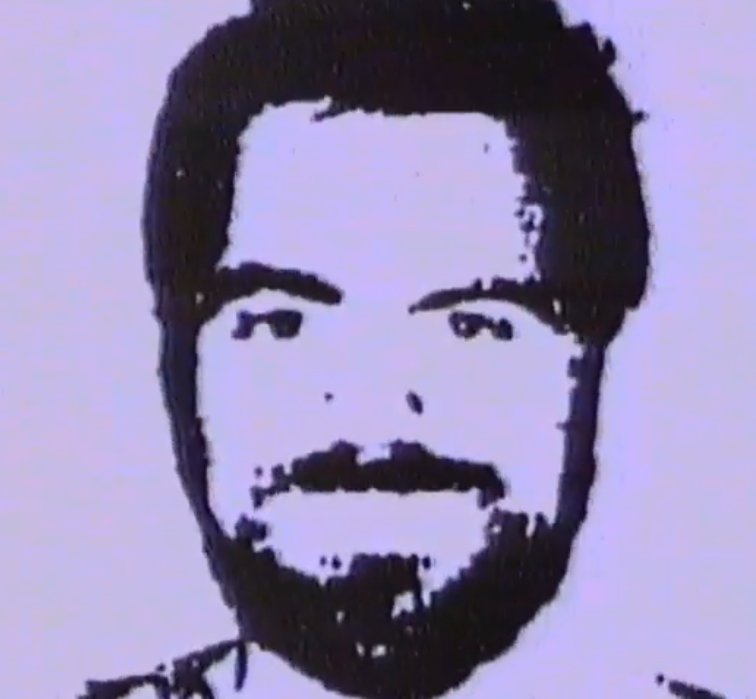
Joseph Dewey Akin
Overview
Joseph Dewey Akin is a former nurse from Georgia who became the subject of one of the most widely publicized hospital death investigations in the southeastern United States during the early 1990s. Born in 1956 in Marietta, Georgia, Akin worked at several hospitals in Georgia and Alabama. Investigators and prosecutors alleged that he intentionally caused medical emergencies in patients under his care, particularly by administering drugs that could trigger cardiac distress. He became associated with a series of suspicious "Code Blue" incidents, a hospital term used when a patient suffers a life-threatening medical emergency requiring immediate resuscitation.
Although Akin was suspected in numerous patient deaths and medical emergencies, only one patient death resulted in criminal prosecution. Many of the other allegations were never formally charged, and investigators stated that proving homicide in hospital settings was difficult because many patients were already seriously ill.
Hospital Employment and Suspicious Incidents
During the 1980s and early 1990s, Akin worked at multiple medical facilities in Georgia and Alabama, including Grady Memorial Hospital, Georgia Baptist Hospital, North Fulton Regional Hospital in Roswell, Georgia, and Cooper Green Hospital in Birmingham, Alabama.
Investigators later focused on an unusual pattern of medical emergencies that allegedly occurred during Akin's shifts. Colleagues reported concerns about an increase in cardiac arrests and emergency resuscitation events when he was working. Authorities also investigated reports of missing cardiac medications and allegations that Akin appeared unusually interested in emergency situations.
At North Fulton Regional Hospital in Georgia, investigators examined at least 17 suspicious patient deaths and medical emergencies that occurred during the period Akin worked there in 1990. Despite extensive investigations by local authorities and the Georgia Bureau of Investigation, no criminal charges were filed against him in Georgia.
The Death of Robert J. Price
The most significant case involving Akin concerned the death of Robert J. Price at Cooper Green Hospital in Birmingham, Alabama.
Price was a 32-year-old quadriplegic patient. Prosecutors alleged that Akin administered a lethal dose of lidocaine, a medication used to treat certain heart rhythm disorders. According to investigators, the drug caused a fatal cardiac event. Prosecutors argued that Akin intentionally induced medical crises because he enjoyed the excitement surrounding emergency resuscitation efforts.
A fellow nurse testified that she observed circumstances she considered suspicious shortly before Price suffered a medical emergency. The prosecution relied heavily on witness testimony and evidence that lidocaine was present in Price's body.
Akin's defense maintained that Price died from natural causes related to his severe medical condition and argued that any lidocaine found in his system could have been administered during legitimate attempts to revive him after his condition deteriorated.
Trials and Legal Proceedings
Akin was originally convicted in Alabama for the death of Robert J. Price. However, that conviction was later overturned on appeal because of a legal error during the trial process.
A second trial resulted in a hung jury, meaning jurors were unable to reach a unanimous verdict.
In 1998, Akin entered a plea agreement and pleaded guilty to manslaughter rather than continuing to face additional murder proceedings. He received a fifteen-year prison sentence.
Despite widespread allegations that he may have been involved in many more patient deaths, no additional homicide convictions were obtained.
Known and Alleged Victims
The following victim information is based on publicly documented court proceedings and investigations.
- Robert J. Price — Age 32. Patient at Cooper Green Hospital in Birmingham, Alabama. Died in 1991 after suffering a cardiac emergency. Prosecutors alleged he was poisoned with lidocaine. His death formed the basis of the Alabama criminal case against Joseph Dewey Akin.
Suspected Additional Deaths
Investigators examined numerous other deaths and medical emergencies associated with hospitals where Akin worked. However, publicly available sources do not provide a verified list of victims, names, dates, or causes of death for these cases. Authorities investigated:
- At least 17 suspicious patient deaths and medical emergencies at North Fulton Regional Hospital in Roswell, Georgia, during 1990.
- Additional suspicious incidents at hospitals in Georgia and Alabama where Akin had been employed.
- Allegations that he may have been connected to a much larger number of patient deaths, although these allegations were never proven in court.
Although Akin was suspected of the additional deaths, which allegedly had similar circumstances, only the death of Robert J. Price can be attributed to Joseph Akin as of 2026.
Legacy of the Case
The Joseph Dewey Akin case is frequently cited in discussions of suspected healthcare serial killers and so-called "Angel of Death" cases. The investigation highlighted the challenges faced by law enforcement when examining deaths that occur in medical settings, especially when patients already suffer from severe illnesses. Although Akin became the focus of extensive investigations and media attention, the death of Robert J. Price remains the only patient death that resulted in a criminal conviction-related resolution through a plea agreement. Many of the broader allegations were never proven, and no additional victim cases were successfully prosecuted.