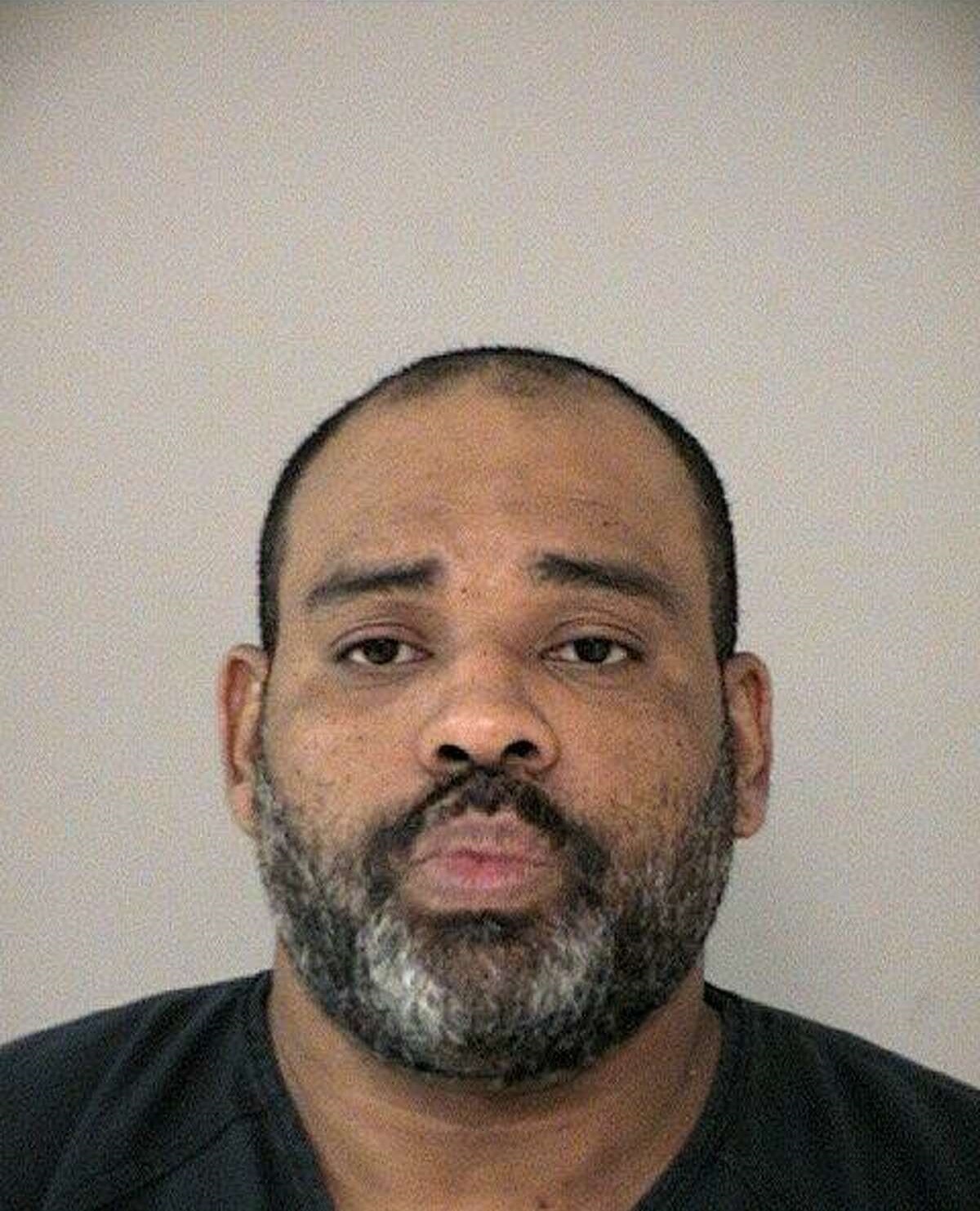
Edward George McGregor: The Greater Houston Murders
Overview
Edward George McGregor is an American convicted murderer whom investigators identified as a suspected serial killer responsible for a series of attacks against women in the Greater Houston area of Texas. The known and suspected crimes attributed to him stretched across approximately sixteen years, beginning with the 1990 murder of one of his neighbors and ending with two remarkably similar killings in 2005 and 2006. Investigators connected McGregor to the cases through DNA evidence, telephone records, his proximity to the victims, and striking similarities between the crime scenes.
McGregor was born on March 29, 1973, and grew up in Missouri City, Texas. He later worked for approximately eleven years as a United Parcel Service delivery driver. To coworkers and acquaintances, he appeared to maintain an ordinary working life. Behind that appearance, however, police believed he was preying upon women in their homes, sexually assaulting them and leaving their bodies in carefully arranged or concealed positions.
McGregor was ultimately convicted only of the murder of Kim Louis Wildman. DNA also connected him to the killing of Edwina Latriss Barnum, while Houston homicide investigators publicly identified him as the primary suspect in the deaths of Danielle Subjects and Mandy Rubin. He has denied responsibility for the murders.
Confirmed and Suspected Victims
- Kim Louis Wildman, 38 — April 17, 1990 — Missouri City, Texas: Wildman was stabbed repeatedly inside her home in the 1400 block of Whispering Pines. She managed to telephone 911 while gravely wounded and was later pronounced dead at a Houston hospital. McGregor, who was seventeen and lived only a few houses away, was convicted of her capital murder in 2010.
- Edwina Latriss Barnum, 23 — May 25, 1994 — Houston, Texas: Barnum was discovered dead inside her apartment after neighbors noticed that her door had been forced open. She had been strangled with a belt. DNA evidence later linked McGregor to the crime, and he was charged with capital murder, although the case did not result in a separate murder conviction.
- Danielle L. Subjects, 28 — August 5, 2005 — Houston, Texas: Subjects, a mother of two, was sexually assaulted, strangled and found partially positioned over a bathtub in her southwest Houston apartment at 10965 South Gessner Road. McGregor was identified as the last known person to telephone her before her death. Police considered him responsible, but he was not prosecuted for her murder.
- Mandy R. Rubin, 25 — February 4, 2006 — Houston, Texas: Rubin was found dead in the bathtub of her apartment at 10750 Westbrae Parkway. She had been beaten, strangled and sexually assaulted. Her body and belongings were arranged in a manner closely resembling the Subjects crime scene. McGregor lived in the same apartment complex and was identified through telephone records as one of the last people to contact her.
The Murder of Kim Louis Wildman
At approximately 11:45 p.m. on April 17, 1990, Missouri City police received a desperate emergency call from Kim Louis Wildman. Crying and struggling to speak, Wildman reported that she had been stabbed repeatedly by an intruder inside her home. The call suddenly ended before she could provide investigators with a complete identification of her attacker.
Officers rushed to Wildman’s residence and forced their way inside. They found her nude and severely wounded on the kitchen floor. Although emergency personnel transported her to a Houston hospital, she died from her injuries. Evidence suggested that the killer had entered through an unlocked window and attacked Wildman after she had gone to sleep. Investigators also found evidence indicating that she had been sexually assaulted.
One of the people questioned during the original investigation was seventeen-year-old Edward McGregor, who lived only a few houses away. McGregor denied killing Wildman. Because detectives did not have enough evidence to arrest him, the investigation gradually became a cold case. Biological evidence recovered from Wildman’s body was preserved, however, allowing investigators to revisit the murder as DNA technology improved.
In 2001, the unidentified DNA profile was submitted to the Combined DNA Index System, but it did not immediately produce a match. Investigators continued to review the evidence and remained convinced that the person responsible might have lived in or been familiar with Wildman’s neighborhood.
The Murder of Edwina Barnum
Four years after Wildman’s death, Edwina Latriss Barnum was murdered in Houston. During the early morning of May 25, 1994, neighbors noticed that the door to Barnum’s apartment was partly open. After realizing that the door appeared to have been kicked in, they contacted apartment management and entered the residence.
Barnum was found dead inside the apartment. Investigators determined that she had been strangled with a belt, apparently shortly after returning home from work. The condition of the entrance led police to believe that her attacker had followed her or waited for an opportunity to force his way inside.
Detectives recovered biological evidence, but the available technology did not initially identify a suspect. Barnum’s murder remained unsolved for more than a decade. Her mother, Betty Gregory, continued asking authorities to reexamine the case and publicly urged the Houston Police Department to devote additional resources to cold-case investigations.
In December 2006, authorities announced that DNA testing had connected McGregor to Barnum’s murder. He was arrested and charged with capital murder. The DNA connection strengthened the belief that Wildman’s death had not been an isolated act and that McGregor had continued attacking women after 1990.
The Murder of Danielle Subjects
Danielle Subjects was a twenty-eight-year-old mother of two living in southwest Houston. On the morning of August 5, 2005, she took her children to daycare and returned to her apartment. Investigators believed she was attacked soon afterward.
Subjects was sexually assaulted, strangled and robbed. Her nude body was found positioned over or near a partially filled bathtub, with clothing wrapped around her head. Her apartment had been disturbed, and her purse appeared to have been searched. Male DNA was recovered from the scene.
Telephone records showed that McGregor had contacted Subjects shortly before she was killed. Investigators could not identify a legitimate reason for the communication, and the call became increasingly important after the murder of Mandy Rubin six months later. Police believed the similarity between the two deaths was too significant to be coincidental.
The Murder of Mandy Rubin
On February 4, 2006, friends arrived at Mandy Rubin’s Houston apartment and discovered that her door was unlocked. Security personnel entered and found Rubin dead in or near her bathtub. She was nude, had been beaten and strangled, and showed evidence of sexual assault.
Articles of clothing had been wrapped around Rubin’s head, closely resembling the manner in which Subjects had been found. Rubin’s purse appeared to have been searched, and her cellular telephone was missing. There were no obvious signs that the killer had forced his way into the residence, suggesting that Rubin may have known him or allowed him inside.
McGregor lived in the same apartment complex as Rubin. Investigators discovered that a telephone number connected to him had contacted both Rubin and Subjects shortly before their deaths. The common telephone number, combined with the nearly identical crime scenes, made him the central suspect in both investigations.
DNA Evidence and Arrest
As Houston detectives investigated the murders of Subjects and Rubin, they shared McGregor’s name with authorities in Missouri City. Detectives reviewing the Wildman case recognized that McGregor’s childhood address had been only a few doors away from Wildman’s home. He had also been questioned during the original 1990 investigation.
McGregor agreed to provide investigators with a DNA sample. Laboratory testing matched his genetic profile to biological evidence recovered from Wildman’s body. On May 1, 2006, police stopped McGregor while he was driving his delivery truck near South Gessner Road and West Bellfort Avenue. He surrendered without resistance.
McGregor was initially held on a $1 million bond. After the amount was reduced, he posted bail and was temporarily released. Families of the victims and other community members protested outside his home, arguing that a man suspected of several sexually motivated murders presented a serious danger.
McGregor was arrested again on December 1, 2006, after DNA evidence connected him to Barnum’s murder. His bond in that case was set at $750,000. Investigators publicly expressed concern that he might have committed additional assaults or murders during the long intervals between the four known cases.
Trial and Conviction
McGregor was brought to trial in 2010 for the capital murder of Kim Wildman. Prosecutors presented the DNA match, evidence of sexual assault and testimony concerning statements McGregor allegedly made about the killings. McGregor maintained that he had not murdered Wildman and claimed that any sexual contact between them had been consensual.
Members of McGregor’s family testified in his defense. His brother said they had been playing video games on the night of the murder and claimed he had not seen blood, injuries or other signs that McGregor had been involved in a violent struggle. McGregor’s mother testified that her son had previously spoken about having a sexual relationship with Wildman.
The prosecution argued that the physical evidence overwhelmingly demonstrated that McGregor sexually assaulted and murdered Wildman. In September 2010, the jury found him guilty of capital murder. Because McGregor had been seventeen when Wildman was killed, the prosecution did not obtain a death sentence. He was sentenced to life imprisonment and became eligible for parole after serving the minimum period required by law.
Appeals and Allegations of Misconduct
McGregor continued to proclaim his innocence after his conviction. His attorneys challenged the admission of evidence involving other crimes, questioned the handling of DNA material and attacked the credibility of prosecution witnesses. One witness who claimed to have overheard McGregor confess was later shown to have made false statements about where she lived and about suffering from cancer.
Further controversy developed when it was revealed that the lead prosecutor had communicated with McGregor’s jail inmates while failing to disclose certain information to his defense attorneys. In 2019, the prosecutor was sanctioned for misconduct. Despite these findings, McGregor’s conviction was not overturned, and his requests for a new trial were unsuccessful.
The misconduct raised legitimate questions about portions of the testimony presented at trial, but it did not eliminate the DNA evidence connecting McGregor to Wildman. The surviving conviction therefore remained in place.
Extent of the Suspected Crime Series
The four cases attributed to McGregor display a disturbing pattern of women attacked inside their homes, sexually assaulted and killed through stabbing or strangulation. In the later cases, victims were found nude in or beside bathtubs, clothing was placed around their heads, and their purses or belongings appeared to have been searched.
Although authorities connected McGregor to four deaths, his exact number of victims remains uncertain. The sixteen-year period between Wildman’s murder and Rubin’s death caused investigators to question whether other women may have survived attacks or whether additional unsolved killings could be linked to him.
McGregor was never convicted of murdering Barnum, Subjects or Rubin. Therefore, those cases must be distinguished from the Wildman murder, for which a jury formally found him guilty. Nevertheless, DNA evidence in Barnum’s case and the circumstantial connections to Subjects and Rubin led law-enforcement officials to describe him publicly as a suspected serial murderer.
Imprisonment and Legacy
Edward George McGregor remains known for a series of crimes that haunted families and investigators throughout the Houston area for years. Advances in forensic science transformed the Wildman and Barnum investigations, demonstrating how carefully preserved biological evidence can identify a suspect long after a case has grown cold.
His case also remains complicated by the difference between suspicion and conviction. While McGregor was linked to four women, he received a life sentence for only the murder of Kim Louis Wildman. The deaths of Edwina Barnum, Danielle Subjects and Mandy Rubin remain associated with him through forensic or investigative evidence, but they did not result in additional convictions.
The victims were women with families, friends and futures that were violently taken from them. Their cases illustrate the enduring harm caused by unsolved and long-delayed investigations, as well as the determination of relatives and detectives who continued searching for answers years after the murders occurred.