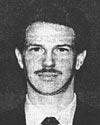
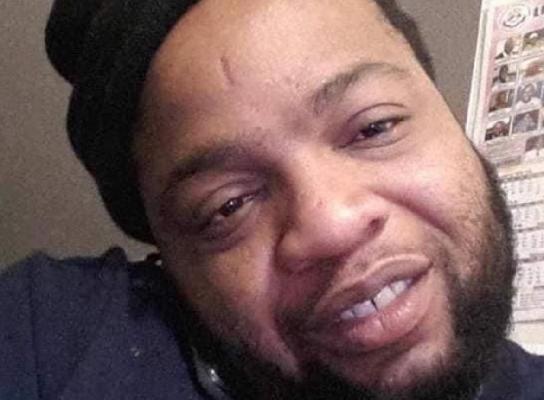
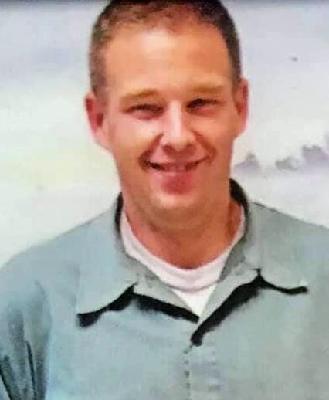
Harlen Christensen, a 37-year-old man from Fargo, Minnesota, was murdered on November 12, 1985. Christensen, who reportedly suffered from unspecified mental health issues, encountered a group of men, including Michael Shane Lefthand, Charles Bush, Eugene Littlewind, and Kenneth TeJohn, at a liquor store in downtown Fargo. For reasons that remain unclear, Lefthand and his associates led Christensen to railroad tracks near the Red River.
There, Lefthand brutally beat and stomped Christensen to death while the others watched. Following the attack, Lefthand placed Christensen's body on the tracks, presumably hoping that a passing train would run over it, further complicating the investigation.
Initially, there were no suspects in the case, and the investigation quickly went cold. However, in October 1990, Lefthand was arrested in Minnesota for two separate murders. During his incarceration, he voluntarily requested to speak with law enforcement officers regarding Christensen's murder. Without notifying his legal counsel, officers interrogated Lefthand, during which he waived his Miranda rights both orally and in writing. On November 6, 1990, Lefthand signed a written confession admitting to the murder of Christensen. However, on November 17, he recanted his confession. Despite this, the State formally charged Lefthand with Christensen's murder on November 28, 1990.
During the trial, multiple witnesses, including Bush, Littlewind, and TeJohn, testified that they had seen Lefthand murder Christensen. Lefthand's defense argued that statements he made while jailed in Minnesota should have been excluded from the trial and that hearsay testimony suggesting a third party committed the murder should have been allowed. Additionally, Lefthand claimed ineffective assistance of counsel. However, the court denied these motions, and Lefthand was ultimately convicted of Christensen's murder. He was sentenced to life imprisonment in North Dakota and Minnesota.
Lefthand's criminal history extended beyond Christensen's murder. Following his conviction, he was linked to additional violent crimes, including the murders of Ronald St. Germain and John Loons in Minnesota. His violent tendencies and repeated offenses solidified his status as a serial killer. Despite his incarceration, his case remains a significant part of Fargo's criminal history, serving as a grim reminder of the brutality that unfolded on that November night in 1985.