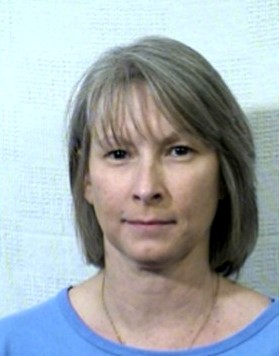
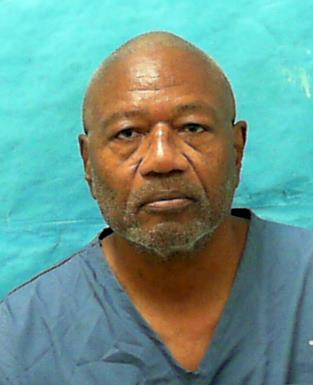
Efren Saldivar: The Hospital “Angel of Death”
Background and Medical Career
Efren Saldivar was born on September 30, 1969, in Brownsville, Texas, and was raised in the Los Angeles area. As a young man, he enrolled at the College of Medical and Dental Careers in North Hollywood, where he trained as a respiratory therapist. In 1989, at approximately 19 years old, he began working at Glendale Adventist Medical Center in Glendale, California.
Respiratory therapists held considerable responsibility for patients who were struggling to breathe. Saldivar administered breathing treatments, monitored ventilators, drew arterial blood, assisted during medical emergencies and entered hospital rooms at all hours. He eventually worked the overnight shift, when the hospital corridors were quiet, staffing was reduced and employees could move between patients’ rooms with comparatively little supervision.
Saldivar appeared competent and knowledgeable about medications and respiratory equipment. Behind that professional appearance, however, he was secretly using his access to vulnerable patients and restricted drugs to cause deaths that initially appeared to be the natural consequences of serious illness.
The “Magic Syringe”
Saldivar primarily targeted elderly patients, many of whom were seriously ill, unconscious or subject to do-not-resuscitate orders. He later described choosing people he believed were near death, although several of his confirmed victims had stabilized or appeared to be improving before they suddenly died.
His principal murder weapon was pancuronium bromide, a powerful paralytic medication commonly sold under the brand name Pavulon. The drug is legitimately used during surgery and mechanical ventilation because it paralyzes voluntary muscles, including those necessary for breathing. A conscious person given the drug without respiratory support may remain aware while becoming unable to move or breathe. Because many of Saldivar’s patients already suffered from respiratory disease, a sudden breathing or cardiac arrest could easily be mistaken for a natural medical decline.
Saldivar also spoke of using succinylcholine, another muscle-paralyzing medication, and of withholding or reducing respiratory treatment. Investigators found that certain drugs could break down quickly after death, making them extremely difficult to detect during an ordinary autopsy. Pavulon, however, remained in body tissue long enough for specialized testing to reveal its presence years later.
Among hospital employees, disturbing rumors began circulating about a respiratory therapist who carried a “magic syringe.” Coworkers noticed that patients sometimes died unexpectedly while Saldivar was working. Some recalled hearing comments about patients who supposedly needed to die, followed by those patients’ sudden deaths. Restricted medications, used syringes and empty syringes were reportedly discovered inside Saldivar’s locker, but the matter was not immediately reported to police.
Confirmed Victims
Saldivar ultimately pleaded guilty to murdering six patients at Glendale Adventist Medical Center. Specialized toxicology testing detected Pavulon in their exhumed remains even though the medication had not been prescribed as part of their treatment.
- Salbi Asatryan, 75 — December 30, 1996, Glendale Adventist Medical Center, Glendale, California: Asatryan was an Armenian immigrant who entered the hospital on December 27, 1996, because of severe breathing difficulties. After receiving intensive treatment, she appeared to stabilize. She could breathe and eat without assistance, and her family believed she would recover sufficiently to return home. She was nevertheless found dead in her hospital bed only days after her admission. Her death was initially attributed to respiratory failure. Testing conducted after her body was exhumed revealed Pavulon that had not been ordered for her legitimate medical care.
- Eleanora Schlegel, 77 — January 2, 1997, Glendale Adventist Medical Center, Glendale, California: Schlegel had been admitted on December 30, 1996, while suffering from pneumonia. She reportedly showed signs of improvement, and her family expected that she might soon be discharged. Instead, she was unexpectedly found dead in her hospital bed. Her death appeared natural until the later investigation connected it to the unauthorized administration of Pavulon.
- Jose Alfaro, 82 — January 4, 1997, Glendale Adventist Medical Center, Glendale, California: Alfaro was a World War II veteran who suffered from emphysema and other chronic heart and lung conditions. He entered the hospital on January 2 with severe pneumonia and died two days later. His family initially had no reason to believe that anything criminal had occurred. After his remains were exhumed, investigators found evidence of Pavulon that had not been prescribed to him.
- Luina Schidlowski, 87 — January 22, 1997, Glendale Adventist Medical Center, Glendale, California: Schidlowski was an elderly Glendale resident receiving treatment at the hospital when she died under circumstances that initially appeared consistent with natural illness. Her remains were later selected for exhumation because she had died during the period and working conditions associated with Saldivar. Toxicology testing found the same unauthorized paralytic drug discovered in the other confirmed victims.
- Balbino Castro, 87 — August 15, 1997, Glendale Adventist Medical Center, Glendale, California: Castro died while hospitalized in Glendale during one of the final months of Saldivar’s acknowledged killing period. Like the other victims, he was elderly and medically vulnerable, allowing his death to pass without an immediate homicide investigation. Pavulon was later detected after his remains were exhumed and examined.
- Myrtle Brower, 84 — August 28, 1997, Glendale Adventist Medical Center, Glendale, California: Brower, a Van Nuys resident, was the last of the six patients whose deaths were conclusively connected to Saldivar through forensic evidence. She died near the end of the period in which he admitted actively killing patients. Testing of her exhumed remains uncovered Pavulon even though there was no legitimate medical order authorizing its administration.
The Attempted Murder of Jean Coyle
Saldivar also pleaded guilty to attempting to murder patient Jean Coyle on February 26, 1997. Coyle was awake and repeatedly used her call button because she needed assistance. Saldivar entered her room, after which she suddenly lost consciousness. She later awakened and initially gave the episode little thought because she had no knowledge of the crimes occurring around her.
After the investigation became public, Coyle reconsidered what had happened. She became an important witness and testified before the grand jury. Her survival gave prosecutors a living witness who could describe an unexplained medical collapse following direct contact with Saldivar.
Confession and Recantation
In February 1998, hospital administrators contacted the Glendale Police Department after receiving another warning about suspicious activity in the respiratory department. Detectives reviewed earlier rumors, interviewed employees and learned about the medications reportedly found in Saldivar’s locker.
On March 2, 1998, detectives asked Saldivar to come to the police station. Although he initially denied harming patients, he soon began making extraordinary admissions. He claimed that he had killed patients for years, sometimes by injection and sometimes by withholding treatment. He portrayed the deaths as acts of mercy, saying that he selected unconscious patients who were terminally ill or had do-not-resuscitate orders.
Saldivar estimated that he had actively killed approximately 40 to 50 people and might have contributed to as many as 100 to 200 deaths. In later statements, he claimed that he had lost count after approximately 60 victims. He also suggested that he had harmed patients at other medical facilities where he worked part-time. Those broader claims were never conclusively proven.
Police briefly arrested Saldivar, but a confession alone was not enough to support a murder prosecution without evidence establishing that the patients had actually been killed. A search of his residence failed to uncover the drugs investigators needed. He was released after approximately 48 hours and subsequently withdrew his confession, saying that depression and suicidal thoughts had caused him to fabricate the story. Glendale Adventist Medical Center terminated his employment on March 13, 1998.
The Exhumation Investigation
The investigation became one of the most complicated medical murder inquiries in California history. More than 1,000 patients had died during or shortly after Saldivar’s shifts over the years he worked at the hospital. Detectives could not exhume every patient, and many potential victims had been cremated, eliminating any possibility of later toxicological testing.
Investigators reviewed medical charts, staffing records, burial information and the circumstances surrounding hundreds of deaths. They concentrated on patients whose deaths appeared unexpected, who had been under Saldivar’s care and whose remains were available for examination. Twenty bodies were eventually exhumed.
Scientists at the Lawrence Livermore National Laboratory developed a specialized method of extracting and identifying Pavulon from decomposed human tissue. Samples were taken from numerous organs and tested through advanced mass-spectrometry procedures. Six bodies produced evidence of the paralytic drug. Hospital records showed that none of those six patients had been legally prescribed Pavulon at the relevant time.
The forensic findings transformed the investigation. Police no longer had only rumors and a disputed confession; they had physical evidence showing that six patients had received an unauthorized drug capable of stopping their breathing.
Arrest, Guilty Plea and Sentence
Saldivar was arrested in January 2001 while working in construction. Prosecutors charged him with six counts of first-degree murder and one count of attempted murder. The case included special allegations of multiple murder and murder through the administration of poison, exposing him to a possible death sentence.
On March 12, 2002, Saldivar pleaded guilty to all six murders and the attempted murder of Jean Coyle. The plea agreement removed the possibility of capital punishment. He admitted that he had unlawfully administered Pavulon and caused the deaths of the six elderly patients.
Judge Lance Ito sentenced Saldivar to seven consecutive life terms without the possibility of parole. At a later sentencing proceeding, Saldivar apologized to the victims’ families but acknowledged that his words could not restore their loved ones or relieve their anger. He was committed to the California prison system, where his sentence ensures that he will never be released on parole.
Uncertain Number of Victims
Only six murders were proven through physical evidence and resolved by Saldivar’s guilty pleas. The true number of people he killed remains unknown. His own estimates changed repeatedly, ranging from approximately 40 active killings to more than 100 deaths that he claimed to have caused or accelerated.
Investigators faced nearly insurmountable obstacles when attempting to verify those claims. Many patients had died years earlier, numerous bodies had been cremated and some drugs Saldivar described using naturally decomposed after death. Other victims were already seriously ill, meaning their medical records did not always reveal an obvious departure from an expected natural death.
Saldivar’s suggestions that he killed patients at additional Southern California hospitals were investigated but did not produce enough evidence for further murder charges. As a result, he remains legally responsible for six murders and one attempted murder, although authorities have long believed that the confirmed cases may represent only a fraction of his crimes.
Aftermath and Legacy
The case exposed serious weaknesses in hospital oversight, medication security and the reporting of suspicions involving medical employees. Rumors about Saldivar circulated among workers before police were contacted, and unauthorized drugs were allegedly discovered in his locker without producing an immediate law-enforcement investigation.
Glendale Adventist Medical Center later strengthened its procedures. Changes included closer reviews of patient deaths, tighter control over medications used during emergency resuscitation, increased supervision of respiratory therapists and computerized monitoring of ventilator settings. The hospital also faced civil lawsuits from victims’ families, with some cases ending in financial settlements.
Efren Saldivar exploited the trust placed in medical professionals and selected patients whose deaths could be disguised by age and illness. His crimes were committed not in isolated locations but inside hospital rooms, where his victims and their families believed they were surrounded by people dedicated to preserving life. The eventual prosecution depended on years of investigative work and an innovative forensic method capable of recovering evidence from bodies long after burial.
Although the six confirmed victims are known by name, the full scope of Saldivar’s crimes may never be established. His case remains one of the most disturbing examples of a medical serial killer using professional access, restricted drugs and the appearance of natural illness to conceal repeated murders.