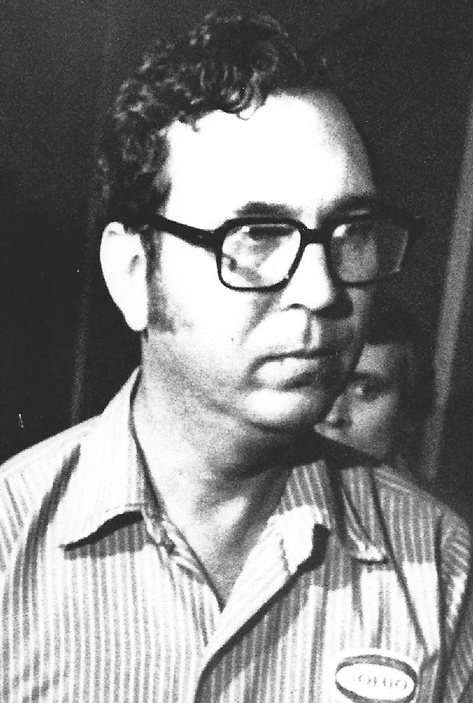
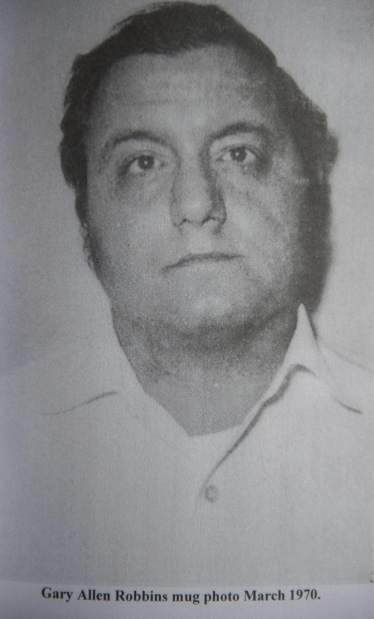
Neal Bradley Long: The Racist “Shotgun Slayer” of Dayton
Background and Escalating Violence
Neal Bradley Long was born on September 19, 1927, in Campton, Kentucky, and moved to Dayton, Ohio, during his youth. He later married, raised a family and worked at various jobs, including as a service-station attendant in the Dayton suburb of Kettering. Beneath the appearance of an ordinary working life, however, Long developed an intense and violent hatred of Black people. That racism eventually became the driving force behind a series of shootings that terrorized Dayton during the early and middle 1970s.
Long had demonstrated troubling behavior years before the confirmed killings began. In 1966, he entered a police station and claimed that he had stabbed a Black man in Dayton in 1944. Investigators could not locate a record matching the incident he described, and he was released. He later received psychiatric treatment and was reportedly diagnosed with a personality disorder. Despite his psychological problems and violent fixation, he continued collecting firearms, including pistols and shotguns.
The Shotgun Attacks in Dayton
Between 1972 and 1975, Black residents of Dayton were targeted in a frightening succession of apparently random shootings. The gunman frequently attacked at night, sometimes firing from a vehicle before quickly leaving the area. Several victims were struck with shotgun blasts while standing near homes, walking along streets or gathering with friends. Because of the weapon and the nighttime pattern, the unknown attacker became known as the “Shotgun Slayer” and the “Midnight Slayer.”
At least 21 attacks were eventually attributed or potentially connected to Long. Four known victims were killed in crimes for which he entered guilty pleas, while contemporary investigators believed the overall death toll could have reached seven. Approximately 14 other people were wounded. The victims appeared to have been selected primarily because they were Black, rather than because Long had any personal relationship with them.
The shootings created widespread fear throughout Dayton’s Black community. Residents organized patrols and vigils, civil-rights leaders demanded stronger protection, and a reward was offered for information identifying the killer. Investigators faced serious difficulties because many attacks occurred suddenly, at night and from a moving vehicle. Survivors often had only a brief opportunity to see the gunman or his automobile.
Known Murder Victims
- Edward Tillman — September 26, 1973 — Dayton, Ohio: Tillman was killed during a shooting in which James Watts was also wounded. Long was later charged in connection with Tillman’s murder and ultimately pleaded guilty to the crime in state court.
- Larry Romine — July 13, 1975 — Dayton View, Dayton, Ohio: Romine, 27, was fatally shot during Long’s final months of violence. His killing was among the murders included in the state prosecution that followed Long’s arrest.
- Robert Hoard — July 15, 1975 — Cincinnati Street, Dayton, Ohio: Hoard, 21, was shot twice in the back while taking trash outside his home. The sudden killing of a young man performing an ordinary household task illustrated the random and predatory nature of Long’s attacks.
- Dr. Charles A. Glatt — September 19, 1975 — Federal Office Building, Dayton, Ohio: Glatt, 46, was an Ohio State University sociologist and nationally recognized school-desegregation specialist. Long entered Glatt’s workplace, asked for him and shot him four times in the neck, chest and abdomen. Glatt was taken to a hospital but died approximately three hours later.
Other Attacks and Surviving Victims
Several surviving victims and witnesses helped investigators connect Long to the broader pattern of violence. On August 21, 1972, Eddie Freson was shot but survived. On the night Edward Tillman was killed in September 1973, James Watts was wounded. George Ingram was shot in the arm on May 23, 1975, when a gunman fired toward a group of Black people attending a party.
Long was also accused of attempting to murder Leonard Goff and Glenda Gay only days after the killings of Larry Romine and Robert Hoard. These survivors became important to the investigation because their descriptions and identifications supported Long’s own admissions. Leonard Goff later died from causes unrelated to Long’s attack before the state case was completed, creating concerns for prosecutors about presenting witness testimony at trial.
The Murder of Charles Glatt
The killing that finally exposed Long occurred on September 19, 1975, his 48th birthday. Dr. Charles Glatt had been appointed to help develop a court-ordered plan for desegregating Dayton’s public schools. Long strongly opposed the plan and claimed to fear that his 12-year-old son would be endangered by attending an integrated school.
That afternoon, Long reportedly picked up his son and indicated that the boy would no longer have to participate in the busing program. Long then traveled to the Federal Office Building in downtown Dayton. Carrying a handgun, he entered the building and asked for Glatt. When Glatt identified himself, Long opened fire at close range.
Glatt suffered four gunshot wounds. Federal security officers arrested Long within minutes, preventing his escape. The direct nature of the attack, the political motive and the federal location immediately made the murder a major investigation. Authorities soon began examining whether the man arrested for killing Glatt could also have been responsible for Dayton’s unresolved shotgun attacks.
Confession and Evidence
After his arrest, Long admitted that he had carried out numerous attacks against Black people between 1972 and 1975. He reportedly claimed responsibility for approximately 25 to 30 shootings, although investigators could not independently confirm every admission. He described using a double-barreled shotgun and firing at victims from his Ford Fairlane, often while under the influence of alcohol or drugs.
A search of Long’s residence uncovered multiple firearms, including shotguns and pistols concealed in pillowcases. Survivors and witnesses were shown Long and identified him as the attacker in several cases. Investigators then compared his statements with the dates, locations and circumstances of unsolved shootings throughout Dayton.
Long’s confessions contained an openly racist explanation for the violence. He said he hated Black people and had chosen victims because of their race. Although his shooting of Charles Glatt targeted a white man, Glatt was murdered because of his professional work advancing school desegregation. Long’s entire campaign of violence was therefore linked to his opposition to racial integration and his belief in white supremacy.
Disputed and Suspected Victims
Authorities believed Long was responsible for more deaths than the four murders established through his guilty pleas. Contemporary accounts described six Black victims killed during the shotgun attacks before Glatt’s murder, producing a possible total of seven deaths. However, complete and consistently verified names and death dates for every suspected victim are not publicly available.
Long was also investigated as a possible suspect in the 1966 murder of Lester Mitchell, whose death contributed to racial unrest in Dayton. A former Dayton police detective later expressed his belief that Long had killed Mitchell. Long was never convicted of that crime, and Mitchell’s murder officially remained unsolved. For that reason, Mitchell is regarded as a possible victim rather than a confirmed victim of Long.
Competency and Federal Prosecution
Long’s attorneys requested a psychiatric examination shortly after his arrest. Although he had previously received mental-health treatment, evaluators determined in November 1975 that he was legally competent and could be held criminally responsible for his actions.
The federal case concentrated on the murder of Charles Glatt because the shooting occurred in a federal building and interfered with a federally protected desegregation effort. In November 1976, Long pleaded guilty to first-degree murder and a federal civil-rights offense connected with Glatt’s death. On December 27, 1976, he received two consecutive life sentences.
State Murder Convictions
Ohio prosecutors separately pursued Long for the shotgun killings and assaults. He faced the possibility of a capital trial, but questions concerning witness availability and the strength of testimony encouraged both sides to accept a plea agreement. In June 1977, Long pleaded guilty to three murder charges involving Edward Tillman, Larry Romine and Robert Hoard.
For the state murders, Long received three additional life sentences. He was also sentenced to lengthy consecutive prison terms for the attempted murders and related shootings. His combined federal and state punishments ensured that he would remain incarcerated for the rest of his life.
Imprisonment and Death
Because of the racist nature of his crimes and concerns for his safety, Long was housed in federal institutions outside Ohio and reportedly lived under an assumed name while incarcerated. He spent portions of his sentence in secure federal medical facilities rather than returning to the community he had terrorized.
During the mid-1990s, Long was transferred to the Federal Medical Center in Rochester, Minnesota. He died there on June 12, 1998, at the age of 70. He had spent more than two decades in custody and never again became eligible to threaten the public.
Legacy of the Crimes
Neal Bradley Long’s crimes were not merely a collection of unrelated shootings. They constituted a deliberate campaign of racial terror directed mainly at Black residents of Dayton. His victims were attacked while carrying out ordinary activities, and many had no warning that a stranger had selected them for violence solely because of their race.
The murders also exposed the difficulty of investigating attacks committed against randomly chosen victims. Long had no meaningful connection to most of the people he shot, leaving police without the personal motives and relationships that often help solve homicide cases. His arrest occurred only after he abandoned the secrecy of the shotgun attacks and publicly murdered Charles Glatt.
Long is generally believed to have killed between four and seven people and wounded at least 14 others. The four murders established through his guilty pleas remain the clearest documented portion of his record. The wider number of attacks he confessed to suggests that the complete extent of his violence may never be known.