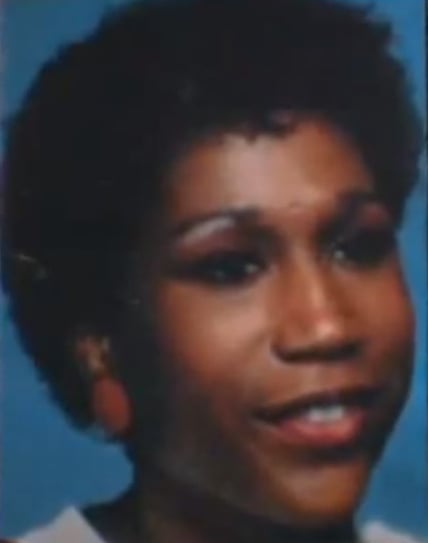
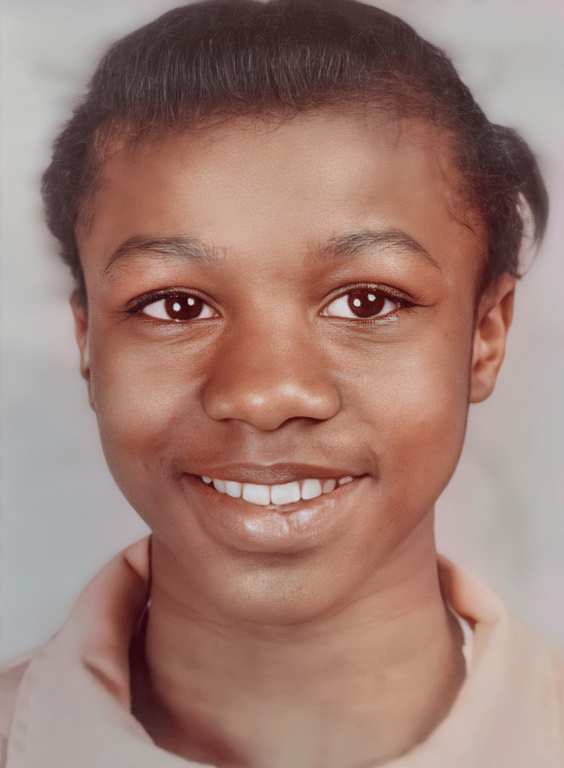
A young woman's body is found in a creek In the autumn of 1995, the city of Grand Rapids, Michigan, was gripped by a chilling series of events that saw several women brutally murdered and discarded. Among them was Dawn Marie Shaver, a 25-year-old Caucasian woman whose life was cut tragically short. On November 17, 1995, her body was discovered in the cold waters of a creek, tucked away beneath a set of railroad tracks near the intersection of Ann Street and Elizabeth Avenue.
She was found fully clothed, but the investigation would reveal the violent nature of her demise; she had been both beaten and strangled.
The discovery of Dawn's body sent a fresh wave of fear through a community already on edge. Her death was not an isolated incident but rather a part of a disturbing pattern of violence that targeted vulnerable women in the area. Over a span of a few years in the mid-1990s, the bodies of more than a dozen women were found in and around Grand Rapids, many of whom were known to be involved in sex work. The similarities in the cases led investigators to believe that a serial killer was preying on the city's streets, leaving a trail of grief and unanswered questions. For years, Dawn Shaver's case, like many of the others, remained cold, a painful and unresolved chapter for her family and the community.
Decades later, a breakthrough in a related case offered a glimmer of hope for justice. In 2022, advancements in forensic genealogy led to the arrest of Garry Artman, a long-haul trucker, for the 1996 murder of another Grand Rapids woman, Sharon Hammack. Before he could stand trial for other potential crimes, Artman, who was suffering from terminal cancer, reportedly made a deathbed confession in December 2023 to committing multiple murders, a significant number of which occurred in the Grand Rapids area. While an official list of the victims he claimed has not been publicly released by law enforcement, public and online discussions surrounding the Grand Rapids serial killings have strongly suggested that Dawn Shaver was one of his victims. His confession, though not a formal resolution in her specific case, provided a name and a face to the long-suspected serial predator and brought a semblance of an answer to a mystery that had haunted the city for over two decades.