Reta Phyllis Mays: The Murders at the Clarksburg Veterans Hospital
Background and Employment
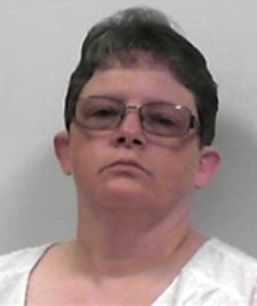
Reta Phyllis Mays was an American nursing assistant who murdered seven elderly military veterans and attempted to murder an eighth patient at the Louis A. Johnson Veterans Affairs Medical Center in Clarksburg, West Virginia. Her crimes occurred between July 2017 and June 2018, while she was assigned to overnight shifts on Ward 3A, a medical-surgical unit caring for veterans with serious health problems.
Mays was born on June 16, 1975, and lived in Harrison County, West Virginia. She had served in the West Virginia Army National Guard and was deployed to Iraq and Kuwait before working as a corrections officer. She began working at the Clarksburg VA hospital in 2015. Although her position allowed her to provide basic patient care, she was not a licensed nurse and was not authorized to administer medications, including insulin.
Method of Murder
Mays secretly injected patients with insulin that they did not medically require. Some of the victims were not diabetic, while others had Type 2 diabetes but did not need the amount or type of insulin administered to them. The unnecessary insulin caused their blood-glucose levels to fall to dangerously low levels, a condition known as severe hypoglycemia.
The resulting symptoms could resemble complications from the victims’ existing illnesses. Patients became confused, unresponsive or critically unstable. Medical personnel often attempted to raise their blood sugar and stabilize them, but the repeated or excessive insulin exposure caused irreversible damage and death. Because the victims were elderly and already hospitalized, their sudden declines were not immediately recognized as deliberate poisonings.
Confirmed Victims
- Robert Edge Sr., 82 – July 20, 2017 – Louis A. Johnson VA Medical Center, Clarksburg, West Virginia: Edge was a United States Navy veteran of the Korean War. Mays admitted that she caused his death by administering unnecessary insulin while he was hospitalized on Ward 3A.
- Robert Lee Kozul Sr., 89 – January 29, 2018 – Louis A. Johnson VA Medical Center, Clarksburg, West Virginia: Kozul was a United States Army veteran who served during the Korean War. He was not diabetic and had not been prescribed insulin. Mays injected him with insulin, causing fatal hypoglycemia.
- Archie D. Edgell, 84 – March 24, 2018 – Louis A. Johnson VA Medical Center, Clarksburg, West Virginia: Edgell was a United States Army veteran of the Korean War. During his hospitalization, his blood-sugar level fell to an extremely dangerous point. Hospital employees temporarily stabilized him, but his glucose level dropped again. The later investigation concluded that he had been subjected to multiple insulin injections.
- George Nelson Shaw Sr., 81 – March 26, 2018 – Louis A. Johnson VA Medical Center, Clarksburg, West Virginia: Shaw was a United States Air Force veteran. He was not diabetic and had no medical reason to receive insulin. Mays admitted administering insulin that caused his death.
- William “Sport” Holloway, 96 – April 4, 2018 – Louis A. Johnson VA Medical Center, Clarksburg, West Virginia: Holloway was a United States Army veteran of World War II. Court documents originally identified him by the initials W.A.H. He had Type 2 diabetes, but Mays administered insulin outside her authority and in a manner that caused his fatal decline.
- Felix Kirk McDermott, 82 – April 9, 2018 – Louis A. Johnson VA Medical Center, Clarksburg, West Virginia: McDermott was a United States Army veteran who served during the Vietnam War. He was not diabetic and was not prescribed insulin. Mays injected him with insulin, producing the severe hypoglycemia that caused his death.
- Raymond Golden, 88 – June 4, 2018 – Louis A. Johnson VA Medical Center, Clarksburg, West Virginia: Golden served in both the United States Army and the United States Air Force during the Korean and Vietnam War eras. Although he had Type 2 diabetes, his treatment did not require the excessive insulin given to him by Mays. She admitted that the unauthorized insulin caused his death.
- Russell R. Posey Sr., 92 – Assaulted on June 18, 2018, in Clarksburg, West Virginia; died July 3, 2018: Posey was a United States Navy veteran of World War II. He was not diabetic and was not prescribed insulin. Mays admitted injecting him with insulin with the intent to kill him. Posey survived the immediate episode but died approximately two weeks later after being transferred from the VA hospital. Because medical experts could not conclusively establish that the insulin was the direct legal cause of his death, Mays pleaded guilty to assault with intent to commit murder rather than murder in his case.
Discovery of the Pattern
The murders remained concealed because the victims were medically vulnerable and their deaths initially appeared to be the result of natural disease or complications. Concerns increased as hospital personnel noticed repeated episodes of unexplained hypoglycemia among patients on Ward 3A. Several patients who were not receiving insulin suddenly developed extraordinarily low blood-sugar readings.
Four of the confirmed murders occurred within a period of approximately sixteen days in March and April 2018. The unusual concentration of events made it increasingly difficult to dismiss the cases as unrelated medical emergencies. Hospital officials eventually began reviewing suspicious deaths and notified the Department of Veterans Affairs Office of Inspector General.
Mays was removed from patient-care duties in June 2018. The investigation expanded into a major federal case involving the VA Office of Inspector General, the Federal Bureau of Investigation and the United States Attorney’s Office. Investigators reviewed thousands of pages of medical records, medication information, employee schedules, electronic communications and hospital-access records. They conducted hundreds of interviews and consulted specialists in endocrinology, forensic pathology and insulin-related deaths.
Evidence Against Mays
Investigators found that Mays had been working during the relevant overnight periods and had access to the victims shortly before their unexplained blood-sugar crashes. As a nursing assistant, she was expected to help with bathing, feeding, repositioning and monitoring patients. Those ordinary responsibilities gave her opportunities to enter rooms without immediately attracting suspicion.
Authorities also examined statements Mays had made about patients and her dissatisfaction with aspects of her work. Investigators reviewed her electronic activity and communications as they reconstructed her actions. The strongest evidence came from the medical findings, the timing of the incidents, her presence near the patients and her eventual admissions.
Some victims’ bodies were exhumed so that additional examinations could be performed. Medical specialists determined that the patients had experienced hypoglycemic events consistent with the administration of outside, or exogenous, insulin. The investigation lasted approximately two years before federal charges were filed.
Guilty Plea
On July 14, 2020, Mays appeared in federal court in Clarksburg and pleaded guilty to seven counts of second-degree murder. She admitted killing Robert Edge Sr., Robert Kozul Sr., Archie Edgell, George Shaw Sr., William Holloway, Felix McDermott and Raymond Golden by administering insulin without a legitimate medical purpose.
She also pleaded guilty to one count of assault with intent to commit murder for injecting Russell Posey. By entering the guilty pleas, Mays acknowledged that her conduct was intentional and that she had acted with malice. She did not provide a single clear motive that fully explained why she selected and attacked the veterans.
After her plea, Mays reportedly described believing that some patients were suffering and said that killing them gave her a sense of control during a period of personal and professional turmoil. Prosecutors rejected any suggestion that the murders were compassionate acts. The victims had not authorized Mays to make decisions about ending their lives, and several were receiving treatment for conditions from which they might otherwise have recovered.
Sentencing
On May 11, 2021, United States District Judge Thomas S. Kleeh sentenced Mays to seven consecutive life sentences, one for each murder. She received an additional consecutive sentence of 20 years for the assault on Russell Posey. Because the federal prison system does not provide parole, the sentence ensured that Mays would remain incarcerated for the rest of her life.
Relatives described the victims as fathers, husbands, grandparents and veterans who had entered the hospital expecting professional and compassionate treatment. Several family members had initially believed their loved ones died naturally. Learning that the deaths were intentional forced them to reconsider the final moments of the men they had trusted the hospital to protect.
Mays apologized during the sentencing hearing, but the court emphasized the betrayal involved in her crimes. She had used her position inside a federal medical facility to gain access to elderly patients who were physically unable to protect themselves. The setting allowed her to disguise deliberate insulin poisoning as an unexpected medical deterioration.
Institutional Failures and Aftermath
The case produced intense criticism of the Louis A. Johnson VA Medical Center. Reviews found serious failures in the hospital’s response to the repeated hypoglycemic incidents. Warning signs were not connected quickly enough, and some deaths were initially certified as resulting from natural medical conditions.
Questions were also raised about supervision, medication security, reporting procedures and the amount of time it took to notify law enforcement. Nursing assistants were not authorized to administer medication, yet Mays was able to obtain or access insulin and inject multiple patients without immediate detection.
Federal authorities stated that additional deaths were examined during the investigation. Approximately 20 cases were considered suspicious, but prosecutors charged Mays only in cases where they believed the available medical and circumstantial evidence could prove her responsibility beyond a reasonable doubt. Civil claims involving other former patients were later pursued by their families, but Mays was criminally convicted of seven murders and one assault with intent to murder.
Legacy of the Case
Reta Mays became one of the most notorious medical serial killers in modern American history. Her crimes were particularly disturbing because the victims were elderly veterans receiving treatment at a facility created to care for people who had served in the United States military.
The murders demonstrated how a trusted employee could exploit weaknesses in hospital supervision and take advantage of patients whose deaths might initially appear medically explainable. The investigation also showed the difficulty of proving insulin murder after a victim has died, since insulin occurs naturally in the human body and can be difficult to detect after significant time has passed.
The case ultimately ended with Mays admitting that she had intentionally poisoned eight veterans, killing seven of them. Her consecutive life sentences reflected not only the number of victims but also the calculated violation of trust involved in attacking helpless patients from inside the hospital rooms where they should have been safest.