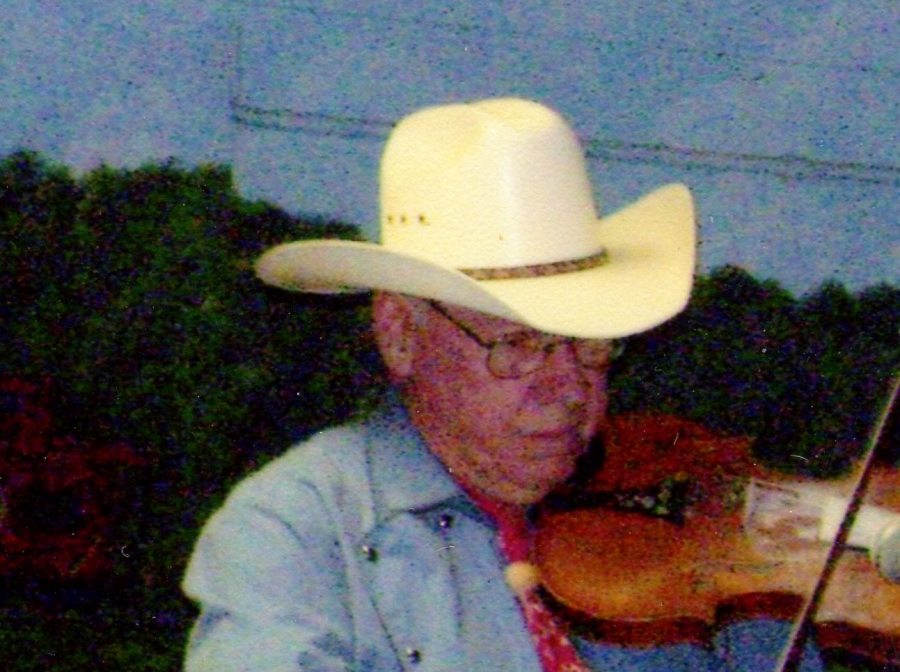
William Alfred “Sport” Holloway was a 96-year-old Caucasian male and World War II U.S. Army veteran from Fairmont, West Virginia. Although the supplied information lists June 12, 2018, and Clarksburg as his date and place of residence, published records identify Holloway as a Fairmont resident who died on April 8, 2018, while hospitalized at the Louis A. Johnson Veterans Affairs Medical Center in Clarksburg.
His death would eventually become part of a much larger investigation into a series of suspicious deaths at the hospital, culminating in the prosecution of former VA nursing assistant Reta Mays.
Holloway entered the Clarksburg VA system in March 2018 after experiencing confusion, hallucinations, anxiety and related symptoms. According to reporting based on a claim filed by his family, he went to the emergency room on March 11, returned the following day and was admitted to the VA medical center. He had Type II diabetes that was being treated with insulin, but his hospitalization was primarily intended to evaluate and stabilize his psychological and behavioral symptoms rather than to treat a life-threatening illness. By late March, plans were being made for his discharge once suitable arrangements could be completed.
The course of Holloway’s hospitalization changed dramatically during the first days of April. On April 3 and 4, he experienced an unusually prolonged and severe episode of hypoglycemia, meaning his blood sugar plunged to dangerously low levels. According to the family’s claim, medical personnel repeatedly administered concentrated dextrose in an effort to restore his glucose, using more than 15 ampules of D50 solution as well as intravenous dextrose during roughly a 30-hour period. Despite those efforts, the hypoglycemia persisted and his condition rapidly deteriorated. Holloway died on April 8. His family was initially told that hospital-acquired pneumonia and sepsis had caused his death, an explanation that did not reveal the criminal pattern investigators would later uncover.
Months after Holloway was buried, investigators examining a cluster of unexplained hypoglycemic episodes at the Clarksburg VA began looking closely at his death. The VA Office of Inspector General and the FBI were investigating patients whose blood sugar had inexplicably collapsed, often during overnight hours on the hospital’s third-floor medical ward. Holloway’s remains were exhumed on December 17, 2018, with his family’s permission and sent for an examination associated with Dover Air Force Base. The subsequent examination documented his extraordinary episode of persistent hypoglycemia. Early public reporting noted that because Holloway was already diabetic and legitimately received insulin, determining exactly how the excess insulin entered his system was more complicated than in patients who had no medical reason to receive it. Nevertheless, investigators ultimately connected his case to the same criminal conduct affecting other veterans.
Attention eventually centered on Reta Mays, a nursing assistant who worked overnight on Ward 3A. Her responsibilities included taking vital signs, checking blood glucose and sitting individually with patients who needed observation, but nursing assistants were neither qualified nor authorized to administer medications such as insulin. Investigators reconstructed when the unexplained insulin had entered patients’ bodies and compared those periods with staffing and access records. Federal prosecutors later said the process repeatedly led investigators back to Mays. In Holloway’s case, evidence presented at sentencing also disclosed a disturbing message she had sent a coworker referring to his room number and saying, “I’m going to kill 34.” The coworker apparently regarded the remark at the time as an expression of workplace frustration rather than a literal threat. Holloway died only days later.
The Clarksburg VA reported concerns about suspicious patient deaths to the VA Office of Inspector General in June 2018, triggering an extensive federal criminal investigation. Mays was removed from patient-care duties in July 2018 and eventually left the hospital. For many months authorities publicly referred only to an unidentified former nursing assistant as a person of interest. Investigators conducted hundreds of interviews, examined extensive medical and administrative records, performed forensic testing and arranged the exhumation and examination of some victims. A later VA inspector general review concluded that serious failures in hiring practices, medication security, clinical communication and patient-safety procedures helped create conditions in which Mays’ actions went undetected.
The criminal case became public on July 14, 2020. Mays, then of Harrison County, was formally charged through a federal information and appeared before U.S. District Judge Thomas S. Kleeh in Clarksburg. Rather than proceed through a grand-jury indictment and trial, she waived that process and pleaded guilty the same day. She admitted to seven counts of second-degree murder involving Robert Edge Sr., Robert Kozul, Archie Edgell, George Shaw, Holloway—identified in federal filings by the initials W.A.H.—Felix McDermott and Raymond Golden. She also pleaded guilty to assault with intent to commit murder in connection with Russell Posey. Prosecutors said Mays deliberately administered insulin to patients with the intention of causing their deaths. After entering her pleas, she was taken into custody and housed at West Virginia’s Northern Regional Jail while awaiting sentencing.
Investigators never established a simple motive that explained the killings. The VA inspector general later reported that, after pleading guilty, Mays described giving insulin to patients she believed were suffering so they could die “gently,” while also saying that turmoil in her personal and professional life made the acts a way of exercising control. Prosecutors rejected the notion that the victims simply needed someone to end their suffering. Evidence presented at sentencing showed that some were improving and being considered for discharge or transfer when they were attacked. The court also heard that Mays had watched patients endure the predictable effects of profound hypoglycemia after the unauthorized injections.
On May 11, 2021, Judge Kleeh sentenced Mays to seven consecutive life terms for the seven murders, including Holloway’s, followed by an additional 240 months for the assault on Posey. She was also ordered to pay more than $172,000 in restitution to victims’ families and other affected parties. There was no trial because Mays admitted the offenses and pleaded guilty. Her conviction brought a definitive criminal conclusion to Holloway’s death: what had first been presented to his family as a medical decline involving pneumonia and sepsis was ultimately treated in federal court as one of seven intentional killings committed by a VA employee using insulin against vulnerable veterans entrusted to her care.