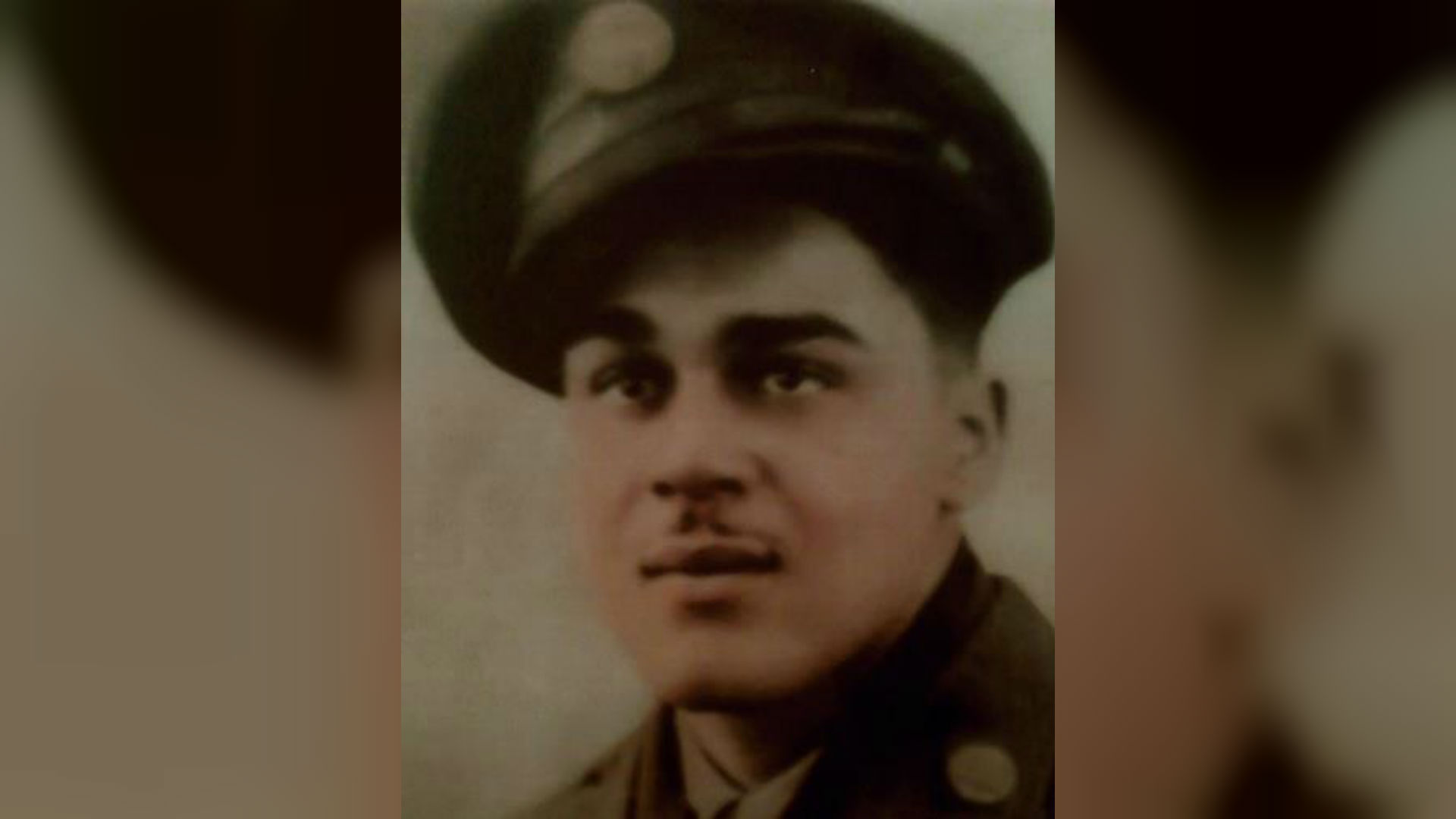
Archie Dail Edgell, an 84-year-old man, died on March 26, 2018, at the Louis A. Johnson VA Medical Center in Clarksburg, West Virginia. He had lived much of his life in Doddridge County and later in the Center Point/Barbour County area. A U.S. Army veteran of the Korean War era, Edgell had been drafted in 1953, served for about two years, and was stationed in Germany, where he played in an Army band.
After his military service he spent years working for the City of Salem, including with its street and water operations, and remained active as a musician. In March 2018, he entered the Clarksburg VA hospital as part of the process of being transferred to a VA nursing facility. Instead of leaving for long-term care, he was dead only days later.
The circumstances inside the hospital became increasingly troubling as investigators reconstructed his final days. Edgell had diabetes, but records reviewed after his death showed that his diabetes medications, including injectable Detemir and oral Metformin, had been held. Between March 24 and March 25, he experienced serious episodes of hypoglycemia, or dangerously low blood sugar. Medical personnel gave him glucose in an effort to raise his blood sugar, but the treatment did not produce the expected improvement. There was no authorized medical reason for additional insulin to be administered under those circumstances, and the pattern eventually raised the possibility that insulin had been introduced into his body without a physician's order.
Edgell was initially buried without his family knowing that his death might be part of something much larger. As federal investigators began examining a series of unexplained deaths at the Clarksburg VA, they contacted his family and identified his case as suspicious. With the family's permission, his body was exhumed on December 11, 2018, and taken for a forensic examination associated with Dover Air Force Base. The examination identified four apparent injection sites on his thigh and arm. The resulting findings were described as strongly suspicious for the administration of unprescribed outside insulin during his hospitalization. At that stage, however, the autopsy listed the cause of death as undetermined rather than formally declaring it a homicide, leaving investigators to combine the medical evidence with hospital records, staffing information and the circumstances of the other deaths.
By 2019, Edgell's death had become one of several suspicious fatalities involving patients who had been treated on the same hospital unit. Federal investigators from the Department of Veterans Affairs Office of Inspector General and the FBI were examining unexplained hypoglycemic episodes among veterans, including patients who had no medical reason to receive insulin. Authorities had a person of interest, described publicly at first only as a former hospital nursing assistant. No arrest had been made when Edgell's case was publicly identified in September 2019. Investigators had already focused internally on Reta Mays, a nursing assistant who worked overnight on the ward and who had access to vulnerable patients. The VA removed her from direct patient care in July 2018. The FBI later said investigators determined that she had been working during the relevant periods surrounding the victims' deaths and was sometimes alone with patients while performing observation duties.
The investigation developed into an extensive federal serial-murder case. Authorities conducted more than 300 interviews, reviewed thousands of pages of medical charts and other records, examined telephone, computer and social-media evidence, consulted forensic specialists and endocrinologists, reviewed employee and visitor records, and exhumed some of the victims. Investigators concluded that Mays had taken insulin from the hospital's medication supply and injected patients without a medical reason. As a nursing assistant, she was neither qualified nor authorized to administer medication, including insulin. The injections caused victims' blood sugar to fall rapidly, producing the severe hypoglycemia that investigators had seen repeatedly in the medical records. Mays initially denied involvement when questioned, and investigators never established a definitive motive.
The criminal case became public in July 2020. Federal prosecutors charged Mays with seven counts of second-degree murder, including a count for Edgell's death, and one count of assault with intent to commit murder involving another veteran. Rather than proceed to a jury trial, Mays appeared in federal court in Clarksburg on July 14, 2020, waived indictment by a grand jury and pleaded guilty to all eight charges. She specifically admitted responsibility for the killings of Edgell and six other veterans and for intentionally attacking an eighth. After the plea hearing she was placed in federal custody, ending the period in which the investigation had referred publicly only to an unidentified former employee or person of interest.
Edgell's family also pursued accountability outside the criminal prosecution. In July 2020, a federal lawsuit was filed over his death alleging that VA administrators and staff had failed to adequately investigate unexplained deaths and had failed to protect Edgell and other patients from the person killing veterans inside the hospital. The case reflected a broader concern later echoed by the VA inspector general, whose healthcare review concluded that serious clinical and administrative failures at the facility contributed to Mays' crimes going undetected.
Mays never went to trial because of her guilty pleas. On May 11, 2021, U.S. District Judge Thomas S. Kleeh sentenced her to seven consecutive life terms, one for each second-degree murder, plus an additional 240 months for the eighth victim. She was also ordered to pay $172,624.96 in restitution to victims' families, the VA hospital, Medicare and insurance companies. The sentence meant that the person ultimately held criminally responsible for Archie Edgell's death would remain imprisoned for life. What had first appeared to his family as an unexpected hospital death had, after exhumation, forensic testing and a lengthy federal investigation, become one of the murders at the center of the Clarksburg VA serial-killing case.