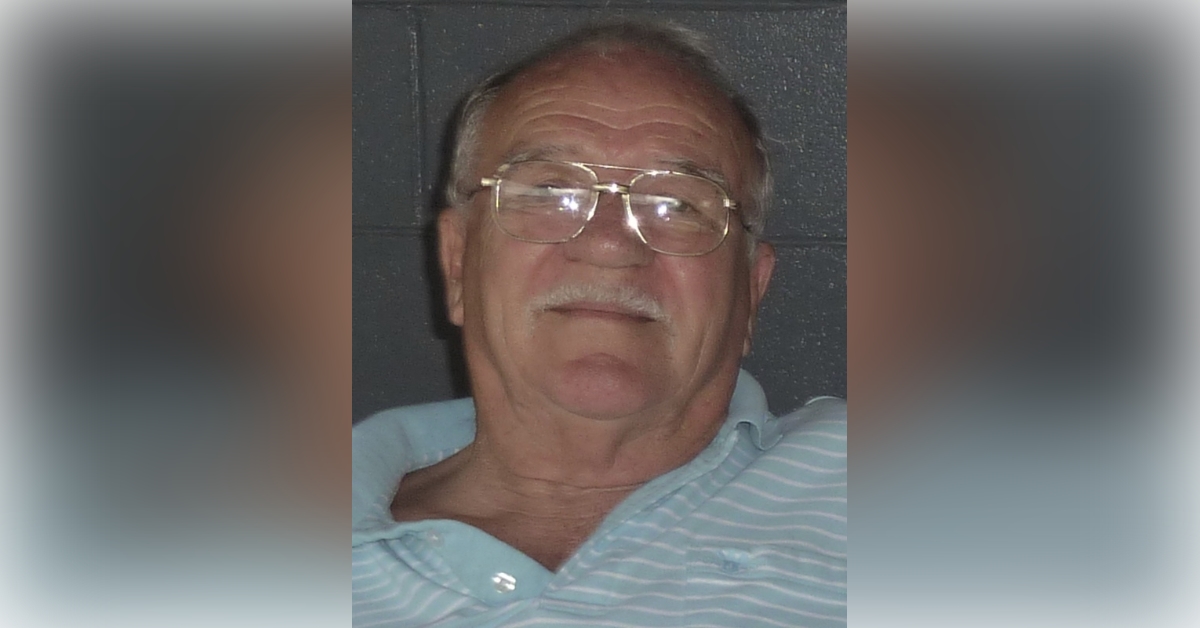
George Nelson Shaw Sr., an 81-year-old man from Wallace, West Virginia, died on April 10, 2018, at the Louis A. Johnson VA Medical Center in Clarksburg. Shaw had spent 28 years in the United States Air Force and, after retiring from military service, worked for another eight years at the same VA hospital where he would eventually become a patient. He was admitted to the medical center in March 2018 after suffering from low blood pressure and dehydration.
Reports indicate that he initially responded to treatment, giving his family reason to believe his condition was improving. Shaw had no history of diabetes and had not been prescribed insulin.
That apparent recovery changed after Shaw suddenly developed dangerously low blood sugar. Federal prosecutors later established that on or about March 26, 2018, nursing assistant Reta Mays deliberately administered, or caused the administration of, exogenous insulin to Shaw even though he was not diabetic and had no medical order for the drug. Severe hypoglycemia can lead to seizures, coma and death, and Shaw was never the same after the episode. He remained hospitalized and died on April 10. A later investigation determined that his hypoglycemia had resulted from multiple insulin injections rather than from the medical problems for which he had originally entered the hospital.
At first, Shaw's death did not look publicly like a murder. His family had an autopsy performed, and the initial findings attributed his death to heart failure. Months later, as federal investigators began examining a disturbing pattern of unexplained hypoglycemia and deaths among patients on the hospital's Ward 3A, they approached Shaw's family about taking another look. His body was exhumed in January 2019. Further examination produced evidence of insulin administration, and a military medical examiner ultimately classified Shaw's death as a homicide. Reporting on the examination said four injection sites tested positive for insulin. Shaw's case became one of the earliest publicly identified homicides in what was developing into a much larger investigation of suspicious deaths at the Clarksburg VA.
The investigation had begun inside the hospital in June 2018 after a physician raised concerns about patients suffering profound, unexplained hypoglycemia, including patients who were not diabetic. The VA Office of Inspector General and the FBI opened a criminal investigation, assisted by the West Virginia State Police and the Greater Harrison Drug & Violent Crimes Task Force. Investigators eventually focused on Reta Mays, who worked the night shift on Ward 3A. Her duties included checking vital signs, measuring blood glucose and providing one-on-one observation, but she was neither qualified nor authorized to administer medication. Investigators concluded that she nevertheless had access to insulin and was present during the critical periods in which the victims received it. The VA removed her from patient-care duties in July 2018. The Inspector General later found serious failures in medication security and hospital oversight, including the fact that nursing assistants had access to a medication room they were not supposed to enter and that some medication carts were left unlocked and unattended.
For many months authorities referred publicly only to a person of interest. Mays was finally identified by law enforcement on July 14, 2020, when federal charges were unsealed. Rather than proceeding through a grand-jury indictment and trial, she agreed to a federal information and pleaded guilty that afternoon before U.S. District Judge Thomas S. Kleeh in Clarksburg. Count Four charged her with second-degree murder in Shaw's killing, alleging that she acted willfully, deliberately, maliciously and with malice aforethought by administering exogenous insulin to him. She also admitted responsibility for six other murders and an assault with intent to commit murder involving another veteran. Following the plea hearing, Mays was taken into custody at West Virginia's Northern Regional Jail. Because she admitted the offenses and entered guilty pleas, there was no murder trial in Shaw's case.
The guilty plea brought a definitive answer about who killed Shaw, but investigators never established a simple motive that fully explained the killings. In a post-plea interview described by the VA Inspector General, Mays said she had given insulin to patients she believed were suffering so they could die more gently, and she also described stress and chaos in her personal and professional life and said the acts gave her a sense of control. The Inspector General emphasized that deciding whether patients were suffering beyond recovery was far outside a nursing assistant's authority or training and that the clinical expectation was that the patients involved in her crimes would survive the illnesses for which they had been hospitalized.
On May 11, 2021, Judge Kleeh sentenced Mays to seven consecutive life sentences for the seven second-degree murders, including Shaw's, and an additional 20 years for assault with intent to commit murder of an eighth veteran. She was also ordered to pay a combined $172,624.96 in restitution to victims' families, the VA hospital, Medicare and insurance companies. The investigation leading to the convictions involved more than 300 interviews, thousands of pages of medical records, telephone and electronic records, forensic and endocrinology experts, examinations and exhumations of victims, and analysis of hospital staffing and visitor records. Shaw's death, initially regarded as a medical loss inside a hospital where he had once worked, was ultimately established as one of a series of intentional insulin killings committed by a caregiver who had been entrusted with watching vulnerable veterans during the night.