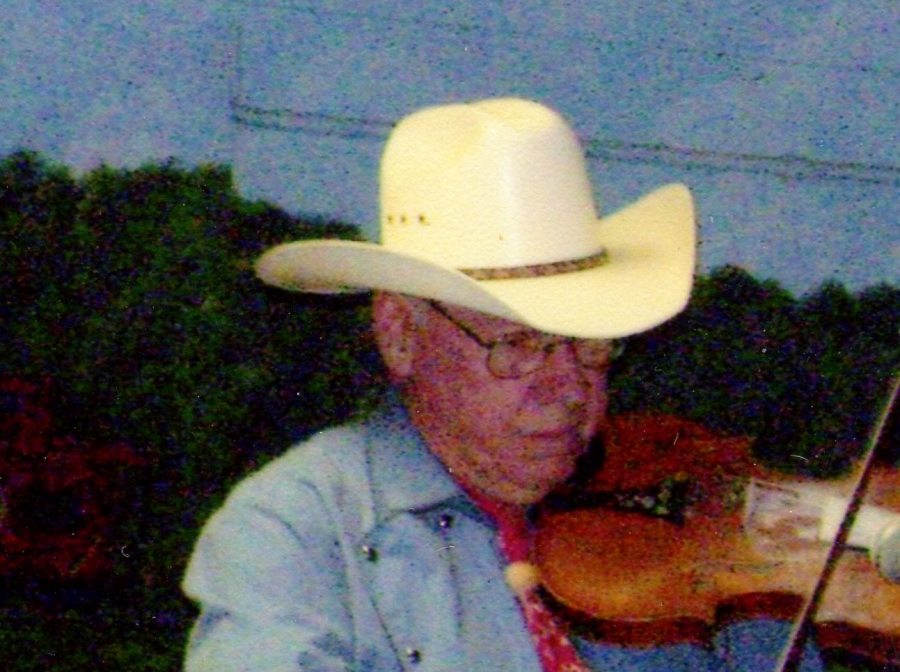
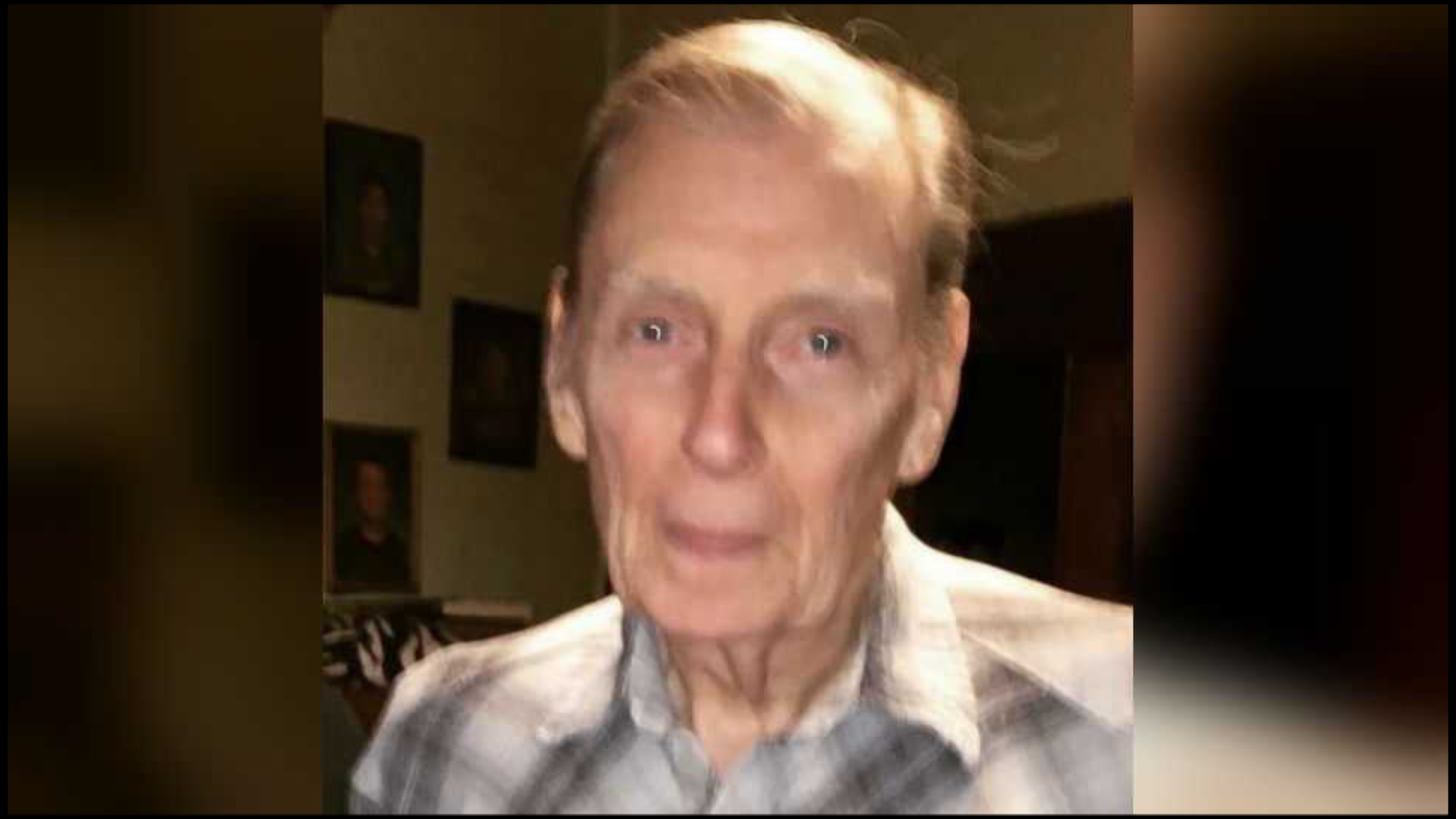
Robert Lee Kozul Sr., an 89-year-old White/Caucasian man, was a longtime Fairmont, West Virginia, resident and Army veteran whose death at the Louis A. Johnson VA Medical Center in Clarksburg eventually became part of a federal serial-murder investigation. Although information supplied about the case gives a death date of January 28, 2018, contemporary obituary records and later reporting on the criminal investigation state that Kozul died on January 30, 2018.
He had been born in Fairmont in January 1929, served in the U.S. Army’s 11th Airborne Division as a field artillery parachutist, and later worked for the Baltimore & Ohio Railroad and Westinghouse, retiring as a machinist in 1989. He was active in his church, enjoyed music, sang and played harmonica with a local dulcimer group, and remained closely connected to his children and grandchildren.
Kozul’s final hospitalization began after a series of health problems in January 2018. He was first admitted to the Clarksburg VA hospital on January 18 after falling at home and was discharged several days later. On January 26, he returned to the hospital because he was experiencing vision loss. An MRI showed that he had suffered a stroke. During the early morning of January 29, his condition changed dramatically: he became cold, clammy and lethargic, and medical personnel discovered that his blood sugar had fallen to 27, an extremely severe episode of hypoglycemia. He was transferred to critical care, but his condition deteriorated, and he died at approximately 1 a.m. on January 30. At the time, the circumstances surrounding the sudden collapse in his blood sugar were not recognized publicly as a homicide.
The significance of Kozul’s unexplained hypoglycemia emerged only as investigators began examining a pattern of suspicious patient deaths at the Clarksburg VA hospital. Several veterans who were not being treated for diabetes had suddenly developed dangerously low blood-sugar levels while hospitalized. The investigation eventually focused on Reta Mays, a nursing assistant who worked overnight shifts on Ward 3A and had access to vulnerable patients. Her duties included taking vital signs, checking blood glucose and providing one-on-one observation, but nursing assistants at the facility were neither qualified nor authorized to administer medications, including insulin. Investigators concluded that Mays had nevertheless injected patients with insulin that had not been prescribed to them.
Kozul’s death required an unusually difficult forensic investigation because an autopsy had not been performed immediately after he died. More than a year after his burial, his remains were exhumed and examined. A medical examiner ultimately determined that his death resulted from an insulin injection. A later wrongful-death lawsuit filed on behalf of his son, James Forrest Kozul, alleged that hospital personnel failed to adequately investigate the inexplicable severe hypoglycemia when it occurred and that supervisors failed to prevent Mays from administering insulin despite her lack of authority to give medication. The lawsuit also alleged broader failures at the hospital, contending that suspicious deaths had accumulated before the Department of Veterans Affairs Office of Inspector General was alerted.
The criminal investigation was extensive and lasted roughly two years. Federal authorities, the Department of Veterans Affairs Office of Inspector General and the FBI worked with the West Virginia State Police and the Greater Harrison Drug and Violent Crimes Task Force. Investigators conducted hundreds of interviews, examined extensive medical and administrative records, consulted forensic specialists and endocrinologists, reviewed hospital access and visitor information, and arranged for the exhumation and forensic examination of some victims. The evidence ultimately established a pattern in which veterans under Mays’s care suffered otherwise unexplained hypoglycemia after receiving insulin that had not been medically ordered for them.
On July 14, 2020, Mays was formally charged in federal court through a criminal information and appeared before U.S. District Judge Thomas S. Kleeh in Clarksburg. Rather than proceed through a grand-jury indictment and trial, she agreed to plead guilty. She admitted to seven counts of second-degree murder involving Robert Kozul, Robert Edge Sr., Archie Edgell, George Shaw, a veteran identified by initials as W.A.H., Felix McDermott and Raymond Golden. She also pleaded guilty to assault with intent to commit murder involving another veteran, later publicly identified as Russell Posey. Mays admitted that she deliberately administered insulin to patients with the intention of causing their deaths. Her guilty pleas eliminated the need for a murder trial in which prosecutors would otherwise have been required to prove the allegations before a jury.
No clear motive for Kozul’s murder was established. Even after Mays admitted what she had done, prosecutors said they had not received a satisfactory explanation for why she targeted the veterans. The absence of a motive remained particularly painful for the victims’ families. At sentencing, Kozul’s relatives described him as a devoted family member whose remaining years had been taken from him without justification. His daughter-in-law, Becky Kozul, confronted Mays with the consequences of deciding that he should no longer be allowed to live and enjoy his family. Mays apologized in court for the pain she had caused but did not provide an explanation that resolved the question of why the killings occurred.
On May 11, 2021, Judge Kleeh imposed the maximum kind of punishment that ensured Mays would remain imprisoned for life. She received seven consecutive life sentences, one for each second-degree murder, followed by an additional 240 months for the assault with intent to murder. The court also ordered her to pay $172,624.96 in restitution to victims’ families, the VA hospital, Medicare and insurance companies. Federal prosecutors described Kozul and the other veterans as victims who had entered the hospital seeking medical care but were intentionally killed by a staff member entrusted with helping care for them. The VA Office of Inspector General separately concluded that serious and pervasive clinical and administrative failures at the facility contributed to Mays’s crimes remaining undetected for an extended period, while emphasizing that responsibility for the murders themselves rested with Mays.
Kozul’s death therefore changed in meaning long after his family had buried him. What initially appeared to be the death of an elderly veteran following hospitalization and a stroke was ultimately identified as an intentional killing caused by an unauthorized insulin injection. His case became one of seven murders to which Mays confessed, and the forensic examination of his remains helped establish what had happened inside the Clarksburg VA hospital. The investigation produced a guilty plea rather than a trial, a conviction for second-degree murder, and a consecutive life sentence attributable to his killing as part of a punishment that left Mays facing imprisonment for the remainder of her life.