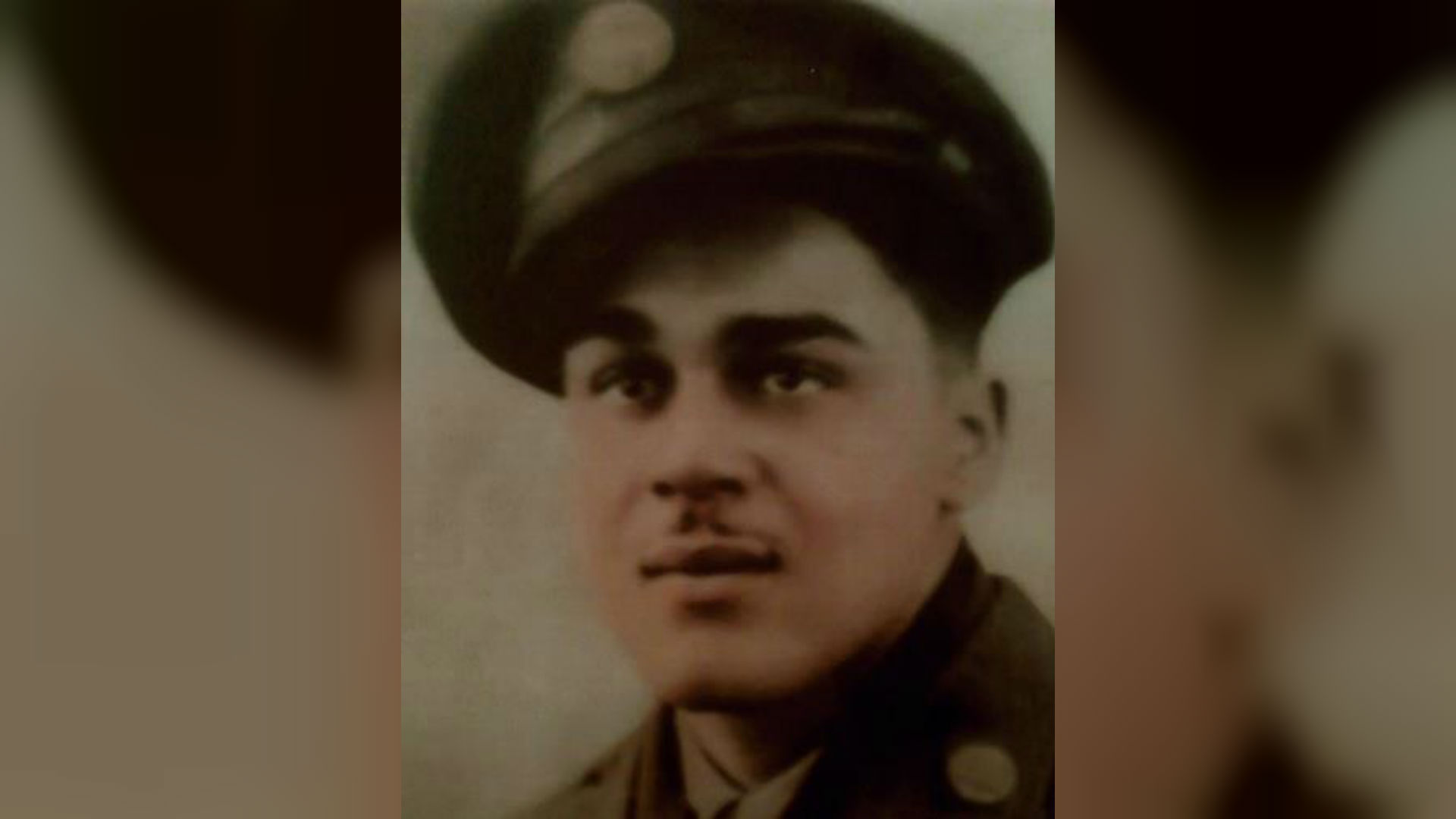
Robert Edwin Edge Sr., an 82-year-old man, was a U.S. Navy veteran and longtime West Virginia resident who lived in Lumberport and died while receiving care at the Louis A. Johnson Veterans Affairs Medical Center in Clarksburg. Online records do not support the March 22, 2018 date supplied in the request: his obituary and the federal criminal case both place his death on July 20, 2017.
Edge had worked for Westinghouse for 36 years before retiring, and his family remembered him as someone who could repair or build almost anything, who enjoyed camping, and who remained devoted to his large family. He had been married to Joann Crutch Edge for 64 years before her death and was survived by two sons, numerous grandchildren and great-grandchildren. He had been battling dementia and was hospitalized at the Clarksburg VA facility when what initially appeared to be another death of an elderly veteran later became the first proven killing in a much larger series of murders.
Edge had Type 2 diabetes, but federal prosecutors determined that he had not been prescribed insulin during that hospital admission. While he was on Ward 3A, nursing assistant Reta Mays had access to him as part of her overnight duties. Her position allowed her to check vital signs and blood-glucose levels and to remain alone with patients who required close observation, but she was neither qualified nor authorized to administer medication. Prosecutors ultimately established that Mays deliberately introduced exogenous insulin into Edge’s body. The unnecessary insulin caused a dangerous reduction in blood sugar, and the government charged that the act was carried out deliberately and with the intent required for second-degree murder. Edge died on July 20, 2017, making him the earliest victim included in the federal prosecution of Mays.
His death did not immediately expose what was happening inside the hospital. More veterans subsequently suffered unexplained and sometimes profound episodes of hypoglycemia on the same ward. In January 2018, Robert Kozul died; Archie Edgell and George Shaw died in March; William Holloway died in April, followed by Felix McDermott; Raymond Golden died in June; and Russell Posey was also injected with insulin in June, although prosecutors could not prove that the injection caused Posey’s later death. By June 2018, a hospital physician had become concerned by the pattern of severe hypoglycemia, particularly among patients who were not diabetic or had no medical reason to receive the amounts of insulin involved. The concern led to an internal inquiry and then a criminal investigation. Mays was removed from direct patient care in July 2018. Investigators eventually determined that she had been working during the critical periods associated with the deaths and had opportunities to be alone with the patients.
The investigation became an extensive federal effort involving the Department of Veterans Affairs Office of Inspector General, the FBI, the West Virginia State Police and the Greater Harrison Drug and Violent Crimes Task Force. Investigators conducted hundreds of interviews, examined medical and administrative records, analyzed electronic and communication records, consulted forensic specialists and endocrinologists, and in some cases obtained permission from grieving families to exhume veterans so their remains could be examined. Investigators concluded that insulin had been taken from the hospital’s medication supply and given to patients without a legitimate medical purpose. Mays initially denied responsibility, but the accumulating medical evidence, her work schedules and her access to the victims increasingly centered the investigation on her. The FBI later said investigators never established a definitive motive, although the circumstances suggested that control over vulnerable patients may have played a role.
Federal prosecutors filed a criminal information against Reta Mays on July 13, 2020. The case charged her with seven counts of second-degree murder and one count of assault with intent to commit murder. The following day, July 14, she appeared before U.S. District Judge Thomas S. Kleeh in Clarksburg and pleaded guilty to every count. By proceeding through a criminal information and guilty plea, the case did not go through a grand-jury indictment or trial. After entering her pleas, Mays was taken into custody and held at West Virginia’s Northern Regional Jail while awaiting sentencing. Edge’s killing constituted Count One of the federal case, and Mays specifically admitted responsibility for causing his death through the unauthorized administration of insulin.
At sentencing, Edge’s family tried to restore the person behind the criminal count. His son, Robert Edge Jr., described his father as kind, hardworking and mechanically gifted, recalling that he had returned from military service, consistently provided for his family and taught his children right from wrong through his own example. Family members of the other victims gave similarly emotional accounts of lives and future family experiences that had been taken away. Prosecutors rejected any characterization of the killings as acts of mercy, emphasizing that the veterans were patients on a medical-surgical ward rather than a hospice unit and that many were expected to recover sufficiently to leave the hospital or transfer to other care. The prosecution argued that the insulin-induced crashes could cause frightening symptoms such as sweating, agitation, weakness, confusion, seizures, loss of consciousness and ultimately death, while particularly vulnerable patients might have been unable to understand what was happening or summon help.
On May 11, 2021, Judge Kleeh sentenced Mays to seven consecutive life sentences, one for each second-degree murder, followed by an additional 20-year sentence for the assault with intent to commit murder involving Russell Posey. She was also ordered to pay more than $172,000 in restitution to victims’ families, the VA hospital, Medicare and insurance companies. Mays apologized in court for the pain she had caused, but no explanation emerged that fully accounted for why she chose the veterans she killed. The court’s sentence ensured that she would spend the remainder of her life in federal prison. Investigators and the VA inspector general also concluded that serious clinical and administrative failures at the Clarksburg hospital helped allow the pattern of suspicious hypoglycemic episodes and deaths to continue without being recognized sooner.
For Robert Edge Sr., the prosecution ultimately transformed a death that had initially passed as part of an illness and hospitalization into a documented homicide. The federal case established that his final medical crisis was not simply a consequence of age, dementia or diabetes but resulted from insulin that he had not been prescribed, deliberately administered by a hospital employee entrusted with helping care for him. More than three years after his death, Mays’ guilty plea formally established her responsibility, and the 2021 sentence closed the criminal prosecution with a conviction and punishment that included a separate life term for Edge’s murder.