The Honolulu Strangler
Overview
The Honolulu Strangler was an unidentified serial killer who murdered five women on the island of Oahu between May 1985 and April 1986. The killer targeted women traveling alone, frequently near bus stops, highways or the area surrounding Honolulu International Airport. The victims were sexually assaulted, strangled and discovered with their hands tied behind their backs. Their bodies were abandoned near lagoons, drainage canals, streams and other isolated locations.
The similar methods used in the murders convinced Honolulu police that one person was responsible. Investigators created a special task force, worked with the FBI and warned women against waiting alone at bus stops. Despite an extensive investigation, surveillance operations and the questioning of a significant suspect, nobody was charged. The five murders remain officially unsolved.
The Victims
- Vicki Gail Purdy — May 30, 1985 — Keehi Lagoon: Purdy was 25 years old and lived in Mililani with her husband, an Army helicopter pilot. On May 29, she planned to meet friends at a nightclub in Waikiki. A taxi driver reportedly took her to the Shorebird Hotel shortly before midnight so that she could retrieve her car. She never met her friends. Her husband later found her vehicle in the hotel parking area with fresh damage. At approximately 7:00 the following morning, Purdy's body was discovered on an embankment near Kalewa Street at Keehi Lagoon, close to the airport. Her hands had been bound behind her back, and investigators determined that she had been sexually assaulted and strangled.
- Regina Sakamoto — January 15, 1986 — Keehi Lagoon: Sakamoto was a 17-year-old student from Waipahu who attended Leilehua High School. On January 14, she missed her normal bus to school. At approximately 7:15 a.m., she telephoned her boyfriend and said that she would be late. She was not seen alive again. The next morning, a passerby discovered her body in Keehi Lagoon, less than a mile from the place where Purdy had been found. Sakamoto's hands were tied behind her back, and she had been sexually assaulted and strangled. The close similarities between the two cases caused detectives to believe that a serial offender was operating on Oahu.
- Denise Hughes — January 30, 1986 — Moanalua or Mapunapuna drainage area: Hughes was a 21-year-old secretary who worked for a telephone company. She was married to a sailor stationed at Pearl Harbor, participated in church activities and commonly used public transportation. After eating dinner with her husband on January 29, she began traveling home while he returned to his ship. Hughes failed to arrive at work the following morning. Her death is generally recorded as January 30, although her body was not discovered until February 1. Three fishermen found her in a drainage canal connected to Moanalua Stream near Mapunapuna. Her body had been wrapped in blue plastic material, her hands were bound, and she had been sexually assaulted and strangled.
- Louise Medeiros — March 26, 1986 — Waikele Stream area: Medeiros was 25 years old, lived in the Waipahu or Waianae area and was approximately three months pregnant. She traveled to Kauai to spend time with relatives following her mother's death. On March 26, she returned to Honolulu on a late flight and told family members that she planned to take a bus home from the airport. She disappeared after leaving the terminal. Her death is commonly placed on the night of March 26, although her decomposing body was not found until April 2. Road workers discovered her beneath or near a freeway overpass by Waikele Stream. Her hands had been tied behind her back, and the condition of the body was consistent with the pattern established in the earlier murders.
- Linda Mabel Pesce — April 29, 1986 — Sand Island: Pesce was a 36-year-old mother who worked in sales for a communications company. On April 29, she left work in her light-blue Toyota but never returned home. Her abandoned car was found along the Nimitz Highway viaduct near the airport. The vehicle was reportedly positioned on the shoulder, and witnesses remembered seeing a light-colored van in the area. Pesce's death is recorded as April 29, although her body was located on May 3. She was found in an isolated section of Sand Island, south of Keehi Lagoon. Her body was unclothed, her arms were tied behind her back, and she had been strangled.
A Recognizable Pattern
The five murders displayed a consistent pattern. Each victim was a woman traveling or expected to travel alone. Several depended on buses, and multiple victims disappeared near transportation routes serving the airport and industrial areas west of central Honolulu. The killer restrained the victims by tying their hands behind their backs, sexually assaulted them and killed them by strangulation. He then transported or concealed their bodies near water, drainage systems or secluded roadways.
The locations were particularly significant. Keehi Lagoon, Moanalua Stream, Mapunapuna, Waikele Stream and Sand Island were connected by major roads, industrial districts and the airport corridor. Investigators believed the murderer probably had a vehicle and was familiar with places where a body could be abandoned without immediately attracting attention. The movement of the victims also suggested that the killer may have approached them as a helpful stranger, offered transportation or used another method that did not initially cause alarm.
The Police Task Force
After the discovery of Denise Hughes, the Honolulu Police Department announced the creation of a 27-member serial-murder task force on February 5, 1986. Detectives compared evidence from the three known crime scenes, interviewed potential witnesses and sought assistance from the FBI. Authorities also consulted investigators familiar with serial murders on the mainland.
Public transportation became an important part of the investigation because several victims had disappeared while using or approaching bus routes. Honolulu placed two-way radios in city buses so that drivers could quickly report suspicious activity. Police warned women not to wait alone at isolated stops. Female officers were also used in undercover operations around the airport, Keehi Lagoon and nearby roads in an attempt to attract the killer.
The Principal Suspect
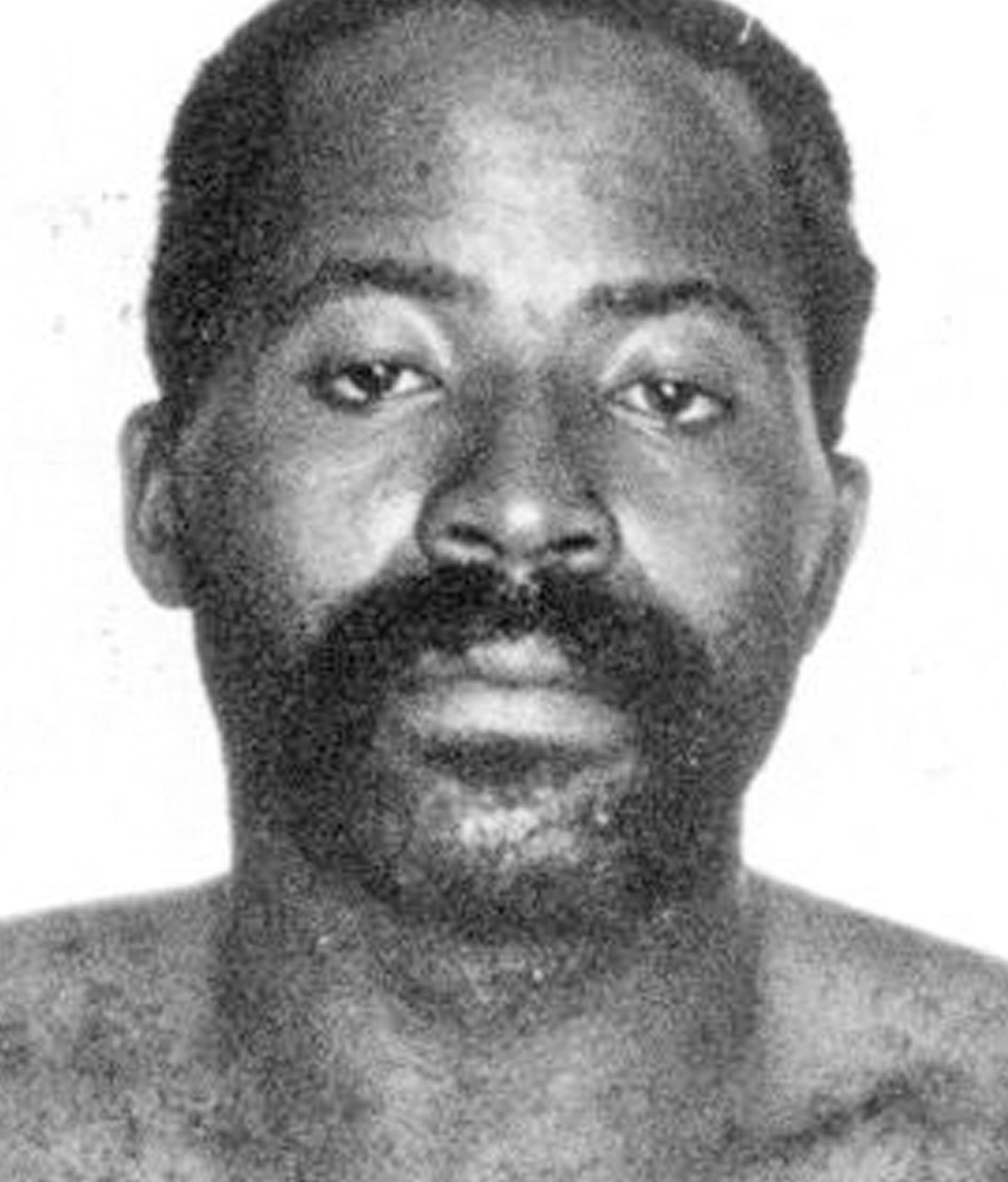
The investigation eventually focused on Howard Andrew Gay, an airport-area cargo employee who drove a light-colored company van. His name and telephone number were reportedly found on a notepad at Linda Pesce's workplace, suggesting that she may have contacted him while seeking customers.
Gay drew greater attention when he contacted police and claimed that information from a psychic indicated Pesce's body could be found on Sand Island. He took investigators to the area, and although the body was not immediately located at the exact spot he identified, a broader search of the island led to its discovery. His familiarity with the location appeared suspicious, especially because the site was remote and Pesce had not yet been publicly connected to Sand Island.
Police detained and questioned Gay at length. Investigators reportedly believed that he fit important parts of their developing profile. He worked close to the airport, had access to a van and was familiar with cargo materials similar to items involved in the case. Officers placed him under surveillance, but they could not find physical evidence conclusively connecting him to any victim or crime scene. Gay was released without being charged. He remained a person of interest for years and died in California in 2003.
An Unsolved Case
No additional murder has been officially established as part of the Honolulu Strangler series after Linda Pesce's death. This has led to several possibilities: the murderer may have left Hawaii, stopped killing, died, been imprisoned for another crime or changed his methods. It is also possible that intense police attention following the fifth murder discouraged him from continuing.
The age of the case creates serious investigative difficulties. Evidence collection and DNA testing were much less advanced in 1985 and 1986, and biological material may have deteriorated or been consumed during older laboratory examinations. Witness memories have faded, records may be incomplete and many people associated with the investigation have died. Nevertheless, preserved evidence could potentially be reexamined using modern forensic methods.
Legacy
The Honolulu Strangler murders shattered the belief that Hawaii was protected from the type of serial violence receiving national attention during the 1980s. The victims came from different backgrounds, but their ordinary routines placed them in the killer's path. They were students, employees, spouses, mothers and members of local communities. Their deaths changed public behavior, increased concern about bus-stop safety and produced one of the largest murder investigations in the history of Honolulu.
Vicki Gail Purdy, Regina Sakamoto, Denise Hughes, Louise Medeiros and Linda Mabel Pesce remain the central figures in the case. The identity of the person who abducted and murdered them has never been proven, and no suspect was ever brought to trial. Decades later, the Honolulu Strangler remains one of Hawaii's most disturbing unsolved criminal cases.