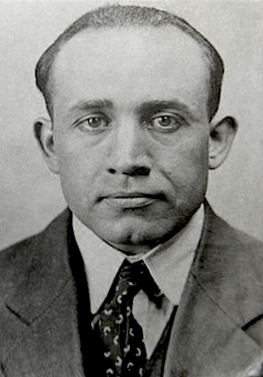
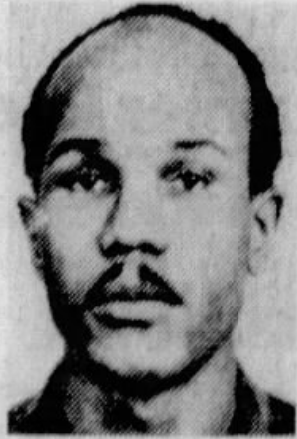
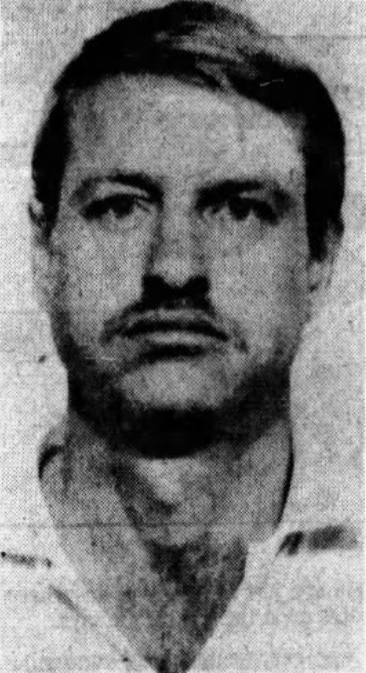
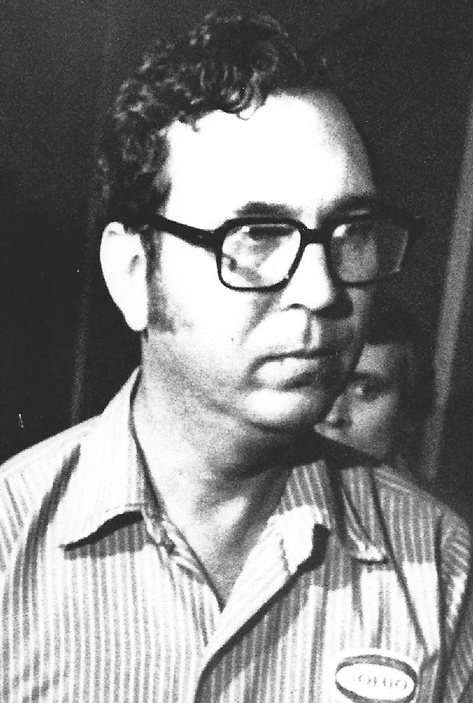
Earle Leonard Nelson: The “Gorilla Man” and “Dark Strangler”
Introduction
Earle Leonard Nelson was an American serial killer whose crimes spread across the United States and into Canada during 1926 and 1927. Newspapers called him the “Gorilla Man,” the “Gorilla Killer,” and the “Dark Strangler,” nicknames inspired by his unusual physical strength and his repeated use of strangulation. He is generally linked to at least 22 murders, although investigators and later researchers have suggested that the true number may have been higher.
Nelson primarily targeted women who rented rooms or managed boardinghouses. He frequently found them through newspaper advertisements, approached them while pretending to need lodging, and presented himself as a quiet, polite, religious man. Once alone with a prospective landlady, he attacked without warning. Many of his victims were sexually assaulted, sometimes after death, and their bodies were concealed beneath beds, inside closets, behind furnaces, in attics, or within trunks.
Early Life and Institutionalization
Nelson was born Earle Leonard Ferral in San Francisco, California, on May 12, 1897. Both of his parents died when he was very young, and he was raised by his maternal grandmother, Jennie Nelson. His upbringing was intensely religious, and biblical language remained a prominent part of his speech and behavior throughout his life.
When Nelson was approximately ten years old, he suffered a serious head injury after colliding with a streetcar while riding a bicycle. He reportedly remained unconscious for several days. Family members later described noticeable changes in his personality, including unpredictable behavior, memory problems, hallucinations, obsessive religious thinking, and periods of confusion.
As a young man, Nelson accumulated arrests for burglary, theft, escape, and other offenses. He served time in San Quentin State Prison and was repeatedly committed to Napa State Hospital. Doctors recorded hallucinations, paranoid ideas, and disturbed behavior, although assessments of his mental condition varied. He escaped from institutions several times and became known among hospital personnel for his ability to disappear.
In 1921, Nelson entered a San Francisco residence while posing as a plumber and attempted to assault a 12-year-old girl. Her screams attracted help, and he was arrested. He was again declared dangerous and returned to Napa State Hospital. Despite his record and continuing instability, he was eventually discharged in 1925.
The Beginning of the Murder Spree
Nelson’s first widely accepted murder occurred in San Francisco on February 20, 1926. He entered the boardinghouse of 60-year-old Clara Newman under the name “Roger Wilson,” claiming that he wanted to rent a room. Once inside, he strangled her and concealed her body in a vacant apartment within the building. The circumstances established the pattern that would characterize most of his later crimes.
On March 2, 1926, 63-year-old Laura Beale was strangled in her San Jose home. Investigators found that the cord around her neck had been pulled with tremendous force. Similar killings followed in San Francisco, Santa Barbara, and Oakland. Nelson moved frequently, preventing individual police departments from immediately recognizing that a single traveling offender was responsible.
Murders in California, Oregon, and Washington
During the second half of 1926, Nelson’s movements took him from California into Oregon and Washington. In Portland, he murdered several women within a short period. Their bodies were hidden in different areas of their homes, including an attic, a trunk, and a basement. The similarities between the killings caused public alarm, but communication between jurisdictions remained limited.
Witnesses described a dark-haired, stocky man with long arms and large hands. He could appear pleasant, intelligent, and deeply religious. He sometimes carried a Bible and discussed scripture, a performance that helped him gain the confidence of women who might otherwise have been suspicious of a traveling stranger.
Nelson also stole jewelry, clothing, money, and other property. These thefts served both practical and evidentiary purposes: he used stolen clothing while traveling, sold or pawned valuable items, and occasionally gave a victim’s jewelry to other women. Several of these objects were later traced back to murder scenes.
The Eastward Trail of Death
Near the end of 1926, Nelson left the Pacific Northwest and traveled east, often riding trains without paying or accepting rides under false names. Murders attributed to him occurred in Iowa and Missouri before his trail continued through Pennsylvania, New York, Michigan, and Illinois.
In Kansas City, the violence expanded beyond his usual pattern. Germania Harpin and her eight-month-old son, Robert, were both murdered on December 28, 1926. Robert was the only male and the youngest victim commonly included in the established list of Nelson’s murders.
By the spring of 1927, Nelson was moving rapidly from city to city. Mary McConnell was killed in Philadelphia in April, Jennie Randolph was killed in Buffalo in May, and two women were found dead in a Detroit boardinghouse on June 1. Only days later, Mary Cecilia Sietsma was murdered in Chicago. Nelson’s ability to cross jurisdictional boundaries allowed him to remain ahead of investigators, even as the growing number of similar strangulations attracted national attention.
Known and Attributed Victims
The following victims are commonly included among the 22 murders attributed to Nelson. In several cases, contemporary records used alternate spellings of the victims’ names. Dates listed represent the dates of death or the dates on which the fatal attacks were reported to have occurred.
- Clara B. Newman — February 20, 1926 — San Francisco, California. The 60-year-old boardinghouse owner was strangled after showing a room to Nelson, who was using the name Roger Wilson. Her body was concealed in a vacant apartment.
- Laura Beale — March 2, 1926 — San Jose, California. The 63-year-old woman was strangled inside her home with a cord pulled tightly around her neck.
- Lillian St. Mary — June 10, 1926 — San Francisco, California. The 63-year-old woman was strangled and sexually assaulted.
- Ollie Russell — June 24, 1926 — Santa Barbara, California. The 53-year-old boardinghouse operator was strangled with a cord and sexually assaulted after death.
- Mary C. Nisbet — August 16, 1926 — Oakland, California. The 52-year-old apartment building proprietor was found strangled in the bathroom of a vacant apartment. Her husband was questioned and cleared.
- Beata B. Duhrkoop Withers — October 19, 1926 — Portland, Oregon. The 35-year-old landlady was strangled, sexually assaulted, and hidden inside a steamer trunk in her attic. Her teenage son discovered her body.
- Virginia Ada Gray Grant — October 20, 1926 — Portland, Oregon. The 59-year-old property owner was strangled, and her body was concealed behind a basement furnace.
- Mabel H. Fluke — October 21, 1926 — Portland, Oregon. The boardinghouse owner disappeared from her residence and was later found strangled in the attic.
- Anna Edmonds — November 18, 1926 — San Francisco, California. The 56-year-old widow was strangled in her home after reportedly discussing a property transaction with a strange man.
- Florence Monks — November 23, 1926 — Seattle, Washington. The 48-year-old widow was found concealed behind a basement furnace in her Capitol Hill home. Jewelry stolen from her was later given away by Nelson.
- Blanche Myers — November 29, 1926 — Portland, Oregon. The 48-year-old woman was strangled and sexually assaulted in her home. Investigators recovered fingerprints from her iron bedstead.
- Almira Berard — December 23, 1926 — Council Bluffs, Iowa. The 41-year-old woman was found garroted with a shirt. Her death was initially considered a possible suicide before evidence of an assault changed the investigation.
- Bonnie Pace — December 27, 1926 — Kansas City, Missouri. The 23-year-old woman was strangled and sexually assaulted in her home. Her husband discovered her body in an upstairs room.
- Germania Harpin — December 28, 1926 — Kansas City, Missouri. The 28-year-old mother was strangled and sexually assaulted inside her residence.
- Robert Harpin — December 28, 1926 — Kansas City, Missouri. Germania Harpin’s eight-month-old son was strangled with a diaper.
- Mary McConnell — April 27, 1927 — Philadelphia, Pennsylvania. The 53-year-old landlady was strangled and sexually assaulted in her home. Jewelry, including a gold watch, was stolen.
- Jennie Randolph — May 30, 1927 — Buffalo, New York. The 53-year-old woman rented a room to a man calling himself Charles Harrison. She was later found strangled and concealed beneath a bed.
- Fannie May — June 1, 1927 — Detroit, Michigan. The 53-year-old boardinghouse manager was garroted with electrical wire cut from a lamp.
- Maureen Atorthy — June 1, 1927 — Detroit, Michigan. Also identified in records by her former surname, Oswald, she was a resident of the boardinghouse managed by Fannie May and was murdered during the same incident.
- Mary Cecilia Sietsma — June 4, 1927 — Chicago, Illinois. The 27-year-old woman was found by her husband, strangled with an electrical appliance cord. Men’s clothing had been taken from the residence.
- Lola Cowan — June 8, 1927 — Winnipeg, Manitoba, Canada. The 14-year-old girl disappeared while selling artificial flowers door-to-door. Her body was later discovered beneath the bed in a room Nelson had rented.
- Emily Patterson — June 10, 1927 — Winnipeg, Manitoba, Canada. The 27-year-old woman was strangled and assaulted in her home. Her husband found her body concealed beneath their son’s bed. Clothing, money, her wedding ring, and the family Bible were stolen.
Additional Suspected Victims
Nelson has been investigated in connection with several other murders that occurred before or during his confirmed series. The available evidence was not considered sufficient to establish his responsibility conclusively, but the victims’ circumstances resembled his later method of approaching women in private residences, strangling them, committing sexual assaults, and concealing their bodies.
- Elizabeth Jones — August 23, 1925 — San Francisco, California. The 62-year-old woman was found strangled with her own necklace after she had been seen speaking with a man interested in purchasing her property.
- Daisy Anderson — September 25, 1925 — San Francisco, California. The 45-year-old boardinghouse operator was strangled after showing a room to a prospective tenant.
- Elma Wells — October 1, 1925 — San Francisco, California. The 32-year-old apartment manager was found inside a closet in a vacant apartment.
- Mary Murray — November 7, 1925 — Philadelphia, Pennsylvania. She was strangled inside her home and sexually assaulted after death.
- Lena Weiner — November 11, 1925 — Philadelphia, Pennsylvania. She was found dead in her bedroom by her husband. Clothing was reportedly missing from the residence.
- Ola McCoy — November 1925 — Philadelphia, Pennsylvania. She was strangled inside her home, and her body was moved to an upstairs bedroom.
- Isabelle Gallegos — August 18, 1926 — Stockton, California. The 50-year-old woman’s murder was investigated as another possible Nelson crime, although another man was initially arrested and later excluded as the killer.
Final Murders in Winnipeg
Nelson entered Canada in June 1927 and traveled to Winnipeg. Fourteen-year-old Lola Cowan disappeared on June 8 while selling artificial flowers. Nelson had rented a room at a boardinghouse on Smith Street, and Cowan’s body was eventually discovered beneath his bed. Evidence indicated that he had continued occupying the room after concealing her there.
On June 10, Emily Patterson was attacked in her Winnipeg home. Her husband discovered her body under their son’s bed while kneeling to say his evening prayers. Patterson’s wedding ring, money, clothing, and Bible were missing. Investigators also found a damaged knife that could be connected to an electrical cord cut at the Detroit murder scene.
Nelson sold Patterson’s wedding ring to a local jeweler and placed stolen clothing in a secondhand store. Witnesses remembered him, and a barber reported noticing blood and scratch marks on his scalp. These transactions created an evidentiary trail that police could follow.
Capture and Identification
After the discovery of the Winnipeg victims, descriptions of Nelson were sent throughout Canada and the United States. He was briefly detained near Warroad, Minnesota, under a false name but escaped. On June 16, 1927, authorities arrested a man calling himself Virgil Wilson in Killarney, Manitoba. He escaped from custody that evening but was captured again after attempting to board a train carrying Winnipeg police officers involved in the search.
Nelson continued to deny his identity until fingerprints obtained from San Francisco confirmed that Virgil Wilson was Earle Leonard Nelson. Witnesses from several cities identified him as the stranger who had rented rooms, inspected properties, or been seen with the victims. Fingerprints, stolen property, pawn transactions, and witness testimony connected him to crimes across the continent.
Trial and Conviction
Canadian prosecutors tried Nelson for the murder of Emily Patterson. His trial began in Winnipeg on November 1, 1927. More than 60 witnesses from Canada and the United States testified, creating a detailed account of his movements, aliases, stolen property, and contacts with victims.
Nelson’s defense argued that he was mentally incapable of being held criminally responsible. His estranged wife testified about his delusions and erratic conduct, describing him as profoundly disturbed. Court-appointed medical specialists, however, testified that they had not found sufficient evidence to declare him legally insane at the time of the murder.
The jury found Nelson guilty on November 5, 1927. He was sentenced to death. Although officials in the United States wanted him for numerous additional murders, the Canadian conviction made extradition unnecessary.
Execution
Earle Leonard Nelson was hanged at Vaughan Street Jail in Winnipeg on January 13, 1928. He was 30 years old. He never provided investigators with a complete confession and continued to make contradictory statements about his guilt.
Because Nelson traveled under numerous aliases, moved quickly between cities, and committed murders before modern national criminal databases existed, the full extent of his crimes remains uncertain. His known trail crossed California, Oregon, Washington, Iowa, Missouri, Pennsylvania, New York, Michigan, Illinois, and Manitoba.
Legacy of the Case
Nelson’s crimes exposed the difficulties faced by police agencies attempting to track a mobile offender during the 1920s. Individual departments often treated each killing as a local crime, while Nelson crossed state and national borders before information could be compared. Fingerprint records, circulated photographs, newspaper coverage, and cooperation between distant police departments eventually allowed investigators to recognize the pattern.
The case also demonstrated how a killer could use ordinary social customs as a weapon. Nelson did not normally force his way into homes. He relied on advertisements, false names, respectable clothing, religious conversation, and the expectation that a landlady would personally show a room to a potential tenant. His outwardly calm manner concealed an offender capable of sudden and extreme violence.
Earle Leonard Nelson remains one of the most notorious serial killers of the early twentieth century. His confirmed and suspected crimes left families across North America searching for answers, while the international manhunt that ended in Manitoba became an important early example of police agencies sharing evidence to capture a traveling serial murderer.