Roger Dale Stafford: The Oklahoma Murder Spree
Background
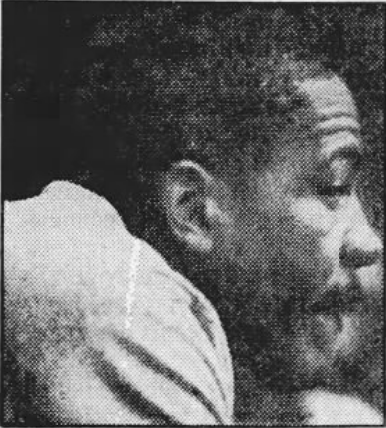
Roger Dale Stafford was an American murderer whose name became permanently associated with two exceptionally violent crimes committed in Oklahoma during the summer of 1978. Stafford, his wife, Verna Stafford, and his brother, Harold Stafford, traveled together while supporting themselves through thefts and robberies. Prosecutors established that their criminal activity escalated into the calculated murders of nine people within a period of less than one month.
Stafford was born on November 4, 1951, in Sheffield, Alabama. He lived an unsettled life and frequently moved from place to place with Verna and their children. By June 1978, the Staffords had arrived in Oklahoma and reunited with Harold. The three began searching for businesses and travelers they could rob. Their plans culminated in the murders of the Lorenz family near Purcell and the execution-style killings of six restaurant employees in Oklahoma City.
Roger Stafford was ultimately convicted of nine counts of first-degree murder and received nine death sentences. Verna later accused him of participating in dozens of additional killings in several states. Most of those claims were never proven in court, and Stafford continued to deny responsibility for the murders for which he had been convicted.
The Murder of Jimmy Earl Berry
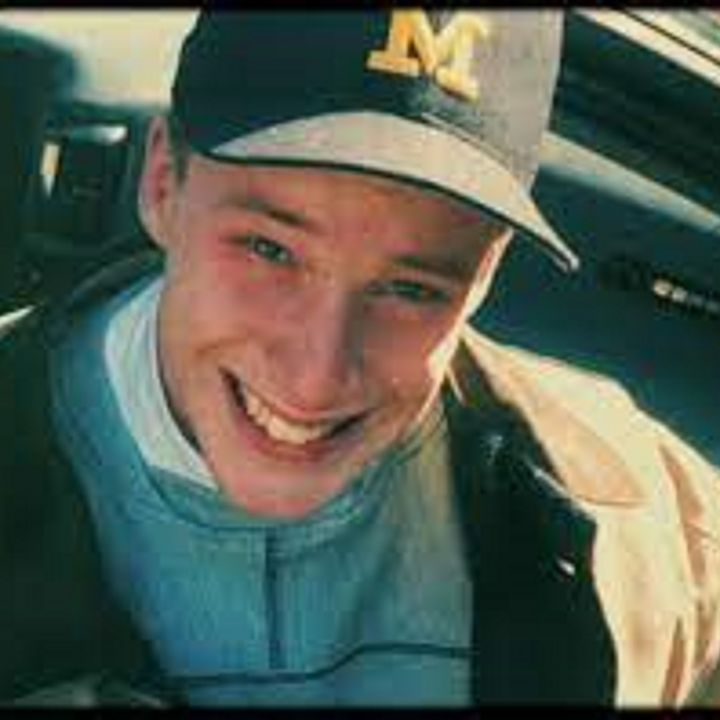
Stafford was also implicated in the earlier killing of Jimmy Earl Berry, a 20-year-old college student and restaurant employee in Muscle Shoals, Alabama. Berry was working as an assistant manager at a McDonald's restaurant when he was shot during a robbery on January 12, 1974. The gunman escaped with money taken from the business.
The murder remained unsolved for several years. Verna Stafford later claimed that Roger and Harold Stafford were responsible. Roger Stafford was not prosecuted for Berry's death because Oklahoma authorities had already secured multiple murder convictions and death sentences against him. The Alabama allegation therefore remained separate from the nine murders legally established against Stafford in Oklahoma.
The Lorenz Family Murders
On the night of June 21 and the early morning of June 22, 1978, Roger, Verna and Harold Stafford traveled through central Oklahoma looking for a profitable target. After deciding that several businesses were too crowded or unlikely to contain enough money, they developed a plan to lure a passing motorist into stopping.
The group parked along Interstate 35 near Purcell, Oklahoma, raised the hood of their vehicle and pretended to be experiencing mechanical trouble. Verna stood near the road and attempted to flag down passing vehicles while Roger and Harold concealed themselves nearby. Air Force Sergeant Melvin Lorenz eventually stopped his pickup truck to help. He was traveling with his wife, Linda, and their young son, Richard, from their home in Texas to North Dakota for the funeral of Melvin's mother.
When Melvin approached Verna and examined the vehicle, Roger and Harold emerged and demanded his wallet. Melvin reportedly explained that he was traveling to his mother's funeral and offered to give the robbers some money while asking to retain enough for the journey. Roger responded by shooting him.
Linda Lorenz heard the gunfire and ran from the family's truck. She was knocked to the ground and shot. The assailants then heard Richard calling from the camper section of the pickup. Roger approached the camper, cut or tore an opening through its screen and fired into the darkness, killing the 11-year-old boy.
The bodies of Melvin and Linda were dragged into a field beside the highway. Richard's body was transported a short distance in the family's pickup and left in another field. The killers stole the pickup, drove it to Oklahoma City and later abandoned it near Will Rogers Airport. The apparent roadside robbery had destroyed an entire family whose only reason for stopping had been to assist a stranger.
The Sirloin Stockade Murders
On July 16, 1978, less than four weeks after the Lorenz family was killed, Roger, Verna and Harold targeted a Sirloin Stockade restaurant near Southwest 74th Street and South Pennsylvania Avenue in Oklahoma City. They waited until the restaurant had closed and the customers had departed. Six employees remained inside completing the evening's work.
The employees were forced into the restaurant's walk-in freezer during the robbery. The victims included teenagers working evening jobs as well as two adult employees. Once they were confined in the freezer, they were shot at close range. All six died inside the restaurant.
The killings were notable for their deliberate and unnecessary cruelty. The employees had been isolated, controlled and presented little immediate threat to their captors. Nevertheless, the gunman opened fire, apparently to eliminate witnesses who might later identify the robbers. The victims were discovered after relatives became concerned when the young employees failed to return home.
The Sirloin Stockade murders created widespread fear throughout Oklahoma City. Investigators faced a difficult case because there were no surviving witnesses from inside the restaurant. The crime became one of the most notorious mass murders in Oklahoma history and remained intensely remembered by victims' relatives, investigators and members of the surrounding community.
Confirmed and Alleged Victims
- Jimmy Earl Berry, 20 — Killed on January 12, 1974, during a robbery at a McDonald's restaurant in Muscle Shoals, Alabama. Roger and Harold Stafford were later implicated by Verna Stafford, but Roger was not prosecuted for the murder.
- Melvin Lorenz, 38 — Killed on June 22, 1978, beside Interstate 35 near Purcell in McClain County, Oklahoma, after stopping to help what appeared to be a stranded motorist.
- Linda Lorenz, 31 — Killed on June 22, 1978, near Interstate 35 outside Purcell, Oklahoma, after running from the family's pickup when she heard gunshots.
- Richard Lorenz, 11 — Killed on June 22, 1978, near Purcell, Oklahoma. He was shot while inside the camper section of his family's pickup truck.
- Terri Horst, 15 — Killed on July 16, 1978, inside the walk-in freezer of the Sirloin Stockade restaurant in Oklahoma City, Oklahoma.
- David Salsman, 16 — Killed on July 16, 1978, inside the Sirloin Stockade restaurant in Oklahoma City, Oklahoma.
- Anthony Tew, 17 — Killed on July 16, 1978, inside the Sirloin Stockade restaurant in Oklahoma City, Oklahoma.
- David Lindsey, 17 — Killed on July 16, 1978, inside the Sirloin Stockade restaurant in Oklahoma City, Oklahoma.
- Louis Franco Zacarias, 43 — Killed on July 16, 1978, inside the Sirloin Stockade restaurant in Oklahoma City, Oklahoma.
- Isaac Freeman, 56 — Killed on July 16, 1978, inside the Sirloin Stockade restaurant in Oklahoma City, Oklahoma.
The Investigation and Break in the Case
The connection between the Lorenz murders and the Sirloin Stockade killings was not immediately apparent. Investigators gradually developed evidence indicating that the same traveling group could have been responsible for both crimes. Harold Stafford died in a motorcycle accident in Tulsa on July 22, 1978, only six days after the restaurant murders. His death prevented him from ever being brought to trial.
The investigation took a major turn when authorities identified and located Verna Stafford. Roger also drew attention to the case by making a telephone call in which he attempted to implicate Verna and Harold. Rather than distancing himself from the crimes, the call helped investigators focus on the Stafford family and examine their movements during the summer of 1978.
Verna eventually provided detailed information about the murders and testified against Roger. Her accounts described the planning of the robberies, the roadside trap used against the Lorenz family and the confinement of the restaurant employees inside the freezer. Her testimony was supported by physical evidence, eyewitness accounts placing the Staffords in relevant locations and evidence involving the stolen Lorenz vehicle.
Trials and Convictions
Roger Stafford was tried separately for the Sirloin Stockade murders and the Lorenz family murders. Prosecutors portrayed him as the principal gunman and the dominant figure within the group. Stafford denied the accusations and attempted to challenge Verna's credibility, arguing that she had blamed him to reduce her own responsibility.
In the Sirloin Stockade case, Stafford was convicted of murdering all six restaurant employees. He was later convicted in McClain County of murdering Melvin, Linda and Richard Lorenz. Juries imposed a death sentence for each of the nine murders.
Verna Stafford was convicted of two counts of second-degree murder, including convictions connected to the deaths of Linda Lorenz and Terri Horst. She received two consecutive life sentences. Her testimony remained central to the prosecution's explanation of how the crimes had been planned and committed.
Claims of Additional Murders
Verna claimed that Roger was responsible for as many as 34 murders committed in several states. She described the Oklahoma killings as part of a wider pattern of robberies, shootings and unexplained disappearances. Some investigators examined these claims, particularly cases involving travelers, convenience businesses and restaurant robberies.
However, Stafford was convicted only of the nine Oklahoma murders. The Jimmy Earl Berry case was one of the more specific additional crimes attributed to him, but it did not result in a trial. The remaining allegations lacked sufficient evidence for prosecution or could not be conclusively connected to Stafford. For that reason, accounts of his criminal history generally distinguish between his nine confirmed victims and the much larger number alleged by Verna.
Years on Death Row
Stafford spent more than 15 years on Oklahoma's death row while his attorneys pursued appeals in state and federal courts. His convictions and sentences were repeatedly reviewed, but the courts upheld the verdicts. Judges found that the evidence supported the juries' conclusions and that the murders involved multiple aggravating circumstances, including the killing of witnesses and the creation of a risk of death to several people.
Throughout his imprisonment, Stafford maintained that he was innocent. He accused Verna of fabricating her testimony and continued to deny that he had participated in the killings. His denials did not persuade the courts, which regarded the evidence against him as extensive and compelling.
Execution
Roger Dale Stafford was executed by lethal injection at the Oklahoma State Penitentiary in McAlester on July 1, 1995. He was 43 years old. His execution concluded one of the longest and most closely followed capital cases in Oklahoma at that time.
Stafford did not confess before his death. He continued to maintain his innocence despite having been convicted by separate juries of murdering nine people. For the victims' families, the execution brought an end to the legal proceedings but could not restore the relatives lost during the violent summer of 1978.
Legacy of the Crimes
The crimes committed by Roger Dale Stafford and his accomplices remain among the most disturbing murder cases in Oklahoma history. The Lorenz family was targeted because they showed compassion to people pretending to need assistance. The Sirloin Stockade employees were young workers and adults finishing an ordinary shift when they were confined and killed to prevent them from identifying their attackers.
The case also demonstrated how offenders could move rapidly from robbery to mass murder when eliminating witnesses became part of their plan. The nine confirmed victims came from different backgrounds, but each encountered the Staffords during routine moments of daily life. Their deaths left lasting trauma among relatives, law-enforcement officers and the communities surrounding Purcell and Oklahoma City.
Although allegations of many additional murders followed Stafford throughout his imprisonment, the established record remains the nine Oklahoma convictions, together with the unresolved Alabama murder in which he was implicated. His refusal to confess left unanswered questions about whether other victims existed. What was proven, however, was sufficient to establish Roger Dale Stafford as one of Oklahoma's most notorious multiple murderers.