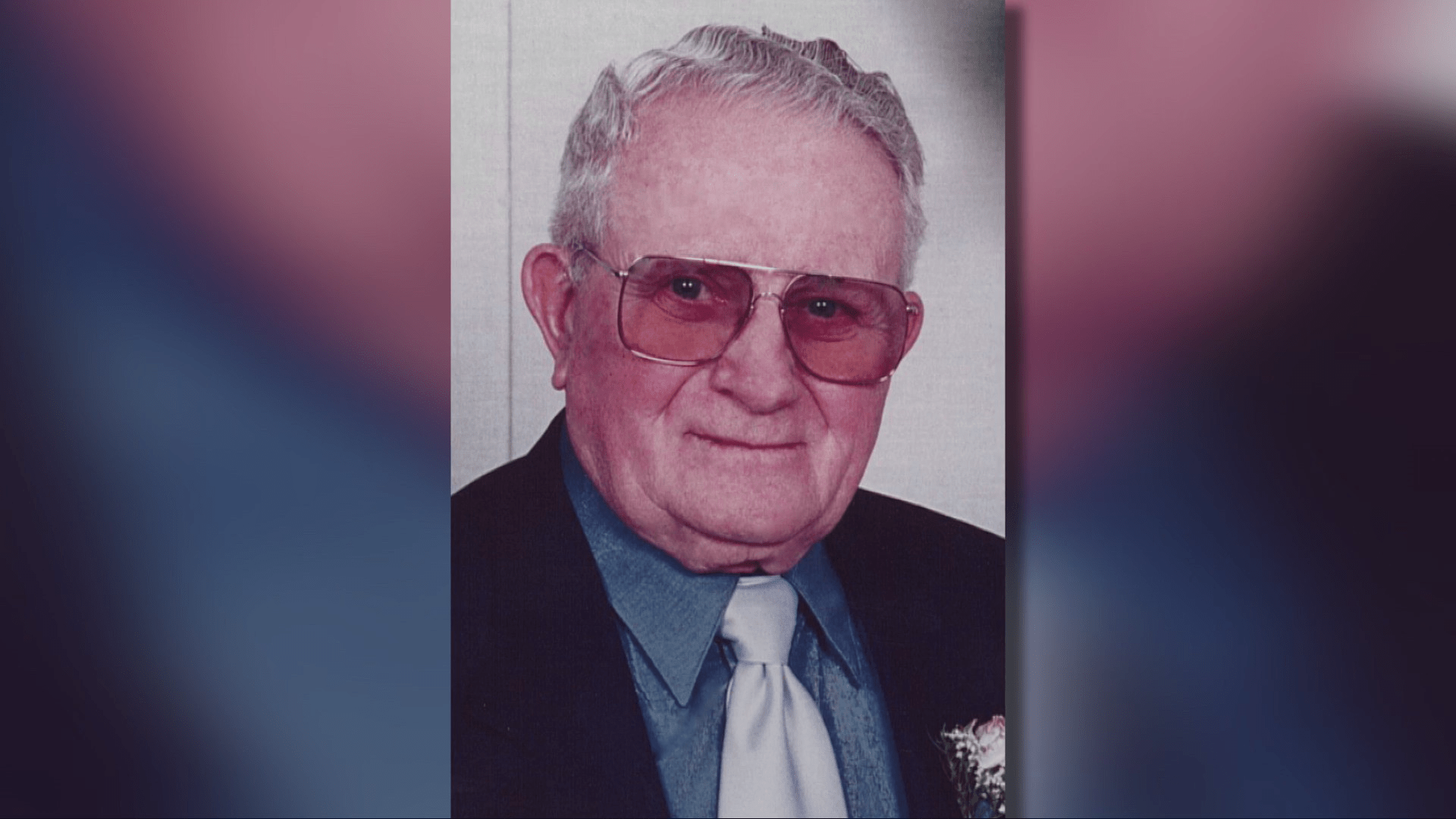
Felix Kirk McDermott, an 82-year-old White male, was a retired U.S. Army sergeant and Vietnam veteran whose death on April 9, 2018, at the Louis A. Johnson Veterans Affairs Medical Center in Clarksburg, West Virginia, was eventually exposed as a homicide rather than the natural death his family initially believed it to be. Published accounts describe McDermott as a former Ruffs Dale, Pennsylvania, resident who was living in Ellenboro, West Virginia, and had served roughly 20 years in the Army
before later serving in the Pennsylvania Army National Guard. He entered the Clarksburg VA hospital on April 6, 2018, suffering from shortness of breath and suspected aspiration pneumonia after food had entered his airway. He was treated with antibiotics, and his condition reportedly began improving during the first days of his hospitalization.
That improvement ended abruptly during the early morning of April 9. McDermott developed unexpected shortness of breath, became restless and was in pain. A finger-stick glucose test revealed that his blood sugar had fallen to an extraordinarily dangerous level. McDermott was not diabetic, had no history requiring insulin and had no physician's order calling for insulin to be administered during that hospitalization. His condition continued to deteriorate as he suffered severe hypoglycemia, and he died later that morning. At the time, his relatives were not given an explanation that revealed why a patient without diabetes had suddenly experienced such a profound collapse in blood sugar. His family left believing that his death had resulted from natural medical causes.
The circumstances took on a very different meaning several months later. McDermott's daughter, Melanie Proctor, said the family learned in late August 2018, when the FBI came to her home, that investigators did not believe her father's death had been natural. His body was subsequently exhumed and examined as authorities investigated a disturbing cluster of unexplained hypoglycemic episodes among patients at the Clarksburg VA. The examination determined that McDermott had received insulin that had not been medically prescribed or needed. Evidence was consistent with an injection into his abdomen, and the Armed Forces Medical Examiner ultimately classified the manner of death as homicide. The discovery was especially significant because investigators were examining other veterans who had experienced similarly sudden, severe drops in blood sugar while hospitalized at the same facility.
The widening investigation was led by the Department of Veterans Affairs Office of Inspector General and the FBI, with assistance from the West Virginia State Police and the Greater Harrison Drug & Violent Crimes Task Force. Investigators conducted hundreds of interviews, reviewed extensive medical and administrative records, consulted forensic and endocrinology experts, examined electronic records and looked at hospital staffing and visitor information. Authorities initially described the person under investigation only as a former nursing assistant and person of interest. That individual was eventually publicly identified as Reta Mays, a Harrison County woman who had worked the night shift at the Clarksburg VA.
Mays had worked at the medical center beginning in 2015 and was assigned to a ward containing medically fragile veterans. Her duties could include taking vital signs, checking blood-glucose levels and sitting individually with patients needing observation, but she was neither qualified nor authorized to administer medications, including insulin. Investigators determined that she nevertheless had opportunities to be around the patients during the overnight hours when unexplained hypoglycemic episodes occurred. She was removed from her position at the medical center in July 2018, shortly after concerns over the suspicious deaths triggered an investigation.
For nearly two years after McDermott's death there was no publicly named criminal defendant. His family pursued answers and filed a wrongful-death action while federal investigators continued building the criminal case. By 2019 authorities acknowledged that a person of interest had been identified, although her identity was not initially released. The investigation ultimately connected Mays to multiple veterans who had suffered catastrophic hypoglycemia after being given insulin they did not medically require. McDermott became one of seven veterans whose deaths prosecutors were prepared to charge as second-degree murders.
Federal charges against Mays were filed in July 2020. Rather than proceeding through a contested indictment and jury trial, prosecutors filed a federal information with her consent. On July 14, 2020, Mays appeared before U.S. District Judge Thomas S. Kleeh in Clarksburg and pleaded guilty to seven counts of second-degree murder involving Robert Edge Sr., Robert Kozul, Archie Edgell, George Shaw, another veteran identified at the time by initials, McDermott and Raymond Golden. She also pleaded guilty to assault with intent to commit murder for injecting another veteran, later publicly identified as Russell Posey, with insulin intending to kill him. Because Mays admitted the offenses, there was no murder trial in which prosecutors had to prove the case before a jury.
As part of her guilty plea, Mays admitted intentionally administering insulin to patients with the purpose of causing their deaths. The method explained the otherwise baffling medical pattern investigators had uncovered: patients, including some who did not have diabetes, developed profound hypoglycemia while under hospital care. McDermott's case fit that pattern particularly clearly because he had no medical reason to receive insulin and had been improving from the condition that brought him to the hospital before his blood sugar suddenly crashed. Federal authorities said nursing assistants such as Mays were not permitted to administer insulin in the first place.
Investigators also developed evidence concerning Mays's conduct outside the individual hospital rooms. At her later sentencing, Judge Kleeh referred to evidence that she had searched online for information about female serial killers and had watched the program Nurses Who Kill. Reports also said Mays had repeatedly denied responsibility when she was initially questioned. Despite the extensive investigation, prosecutors did not establish a conventional motive such as financial gain or a personal dispute with McDermott. Court reporting described her as apologetic at sentencing but unable or unwilling to provide the victims' families with a full explanation for why she had committed the killings.
On May 11, 2021, Mays returned to federal court in Clarksburg for sentencing. Judge Kleeh imposed seven consecutive life sentences, one for each second-degree murder, including McDermott's, followed by an additional 240 months for the assault with intent to commit murder involving Posey. She was also ordered to pay $172,624.96 in restitution to victims' families and entities including the VA hospital, Medicare and insurance companies. McDermott's daughter addressed the court before sentencing and described her father as a hardworking family man and proud Army veteran, while condemning Mays for attacking vulnerable veterans when they had gone to the hospital expecting care.
The criminal investigation ultimately produced one identified and convicted killer in McDermott's case: Reta Mays. Earlier references to an unnamed person of interest concerned the woman who was later identified as Mays, and the federal prosecution did not name an accomplice or charge another person with participating in McDermott's murder. Separate scrutiny did fall on the VA medical center itself. The VA Office of Inspector General later concluded that serious clinical and administrative failures at the facility contributed to Mays's crimes remaining undetected for an extended period, although responsibility for the intentional killings was placed on Mays. Her guilty pleas and consecutive life sentences closed the central criminal case surrounding McDermott's death, turning what his family had once understood as an unexpected hospital death into one of the confirmed murders in a series of deliberate insulin poisonings at the Clarksburg VA.