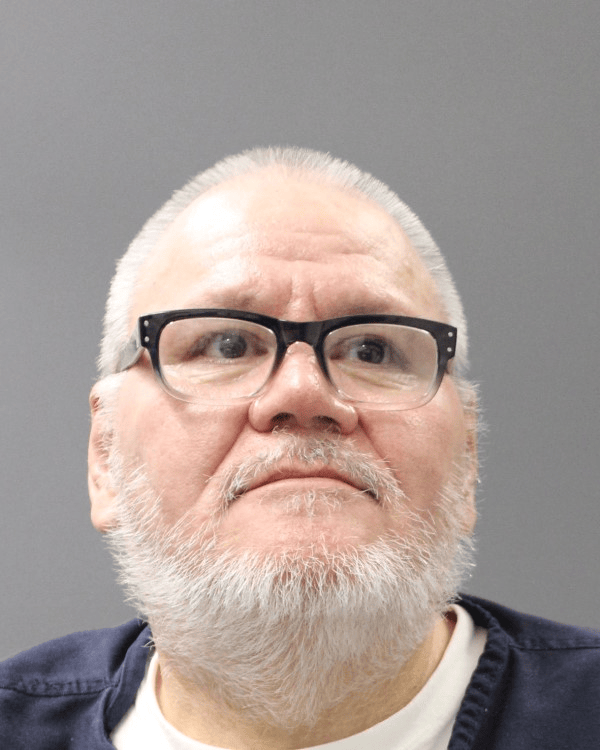
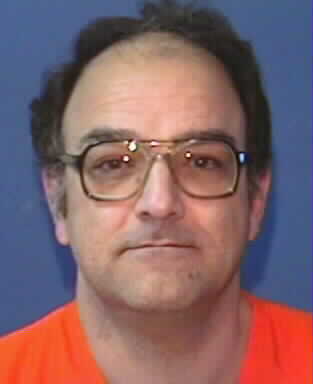
Andre Crawford: The Serial Killer Who Terrorized Chicago's South Side
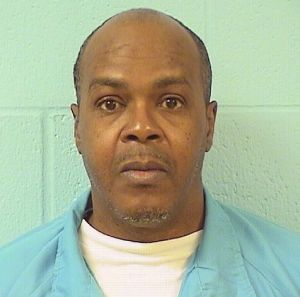
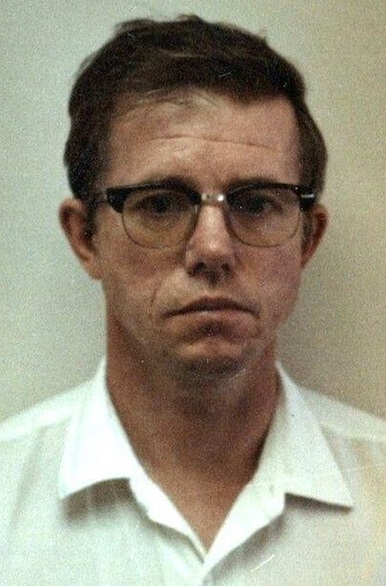
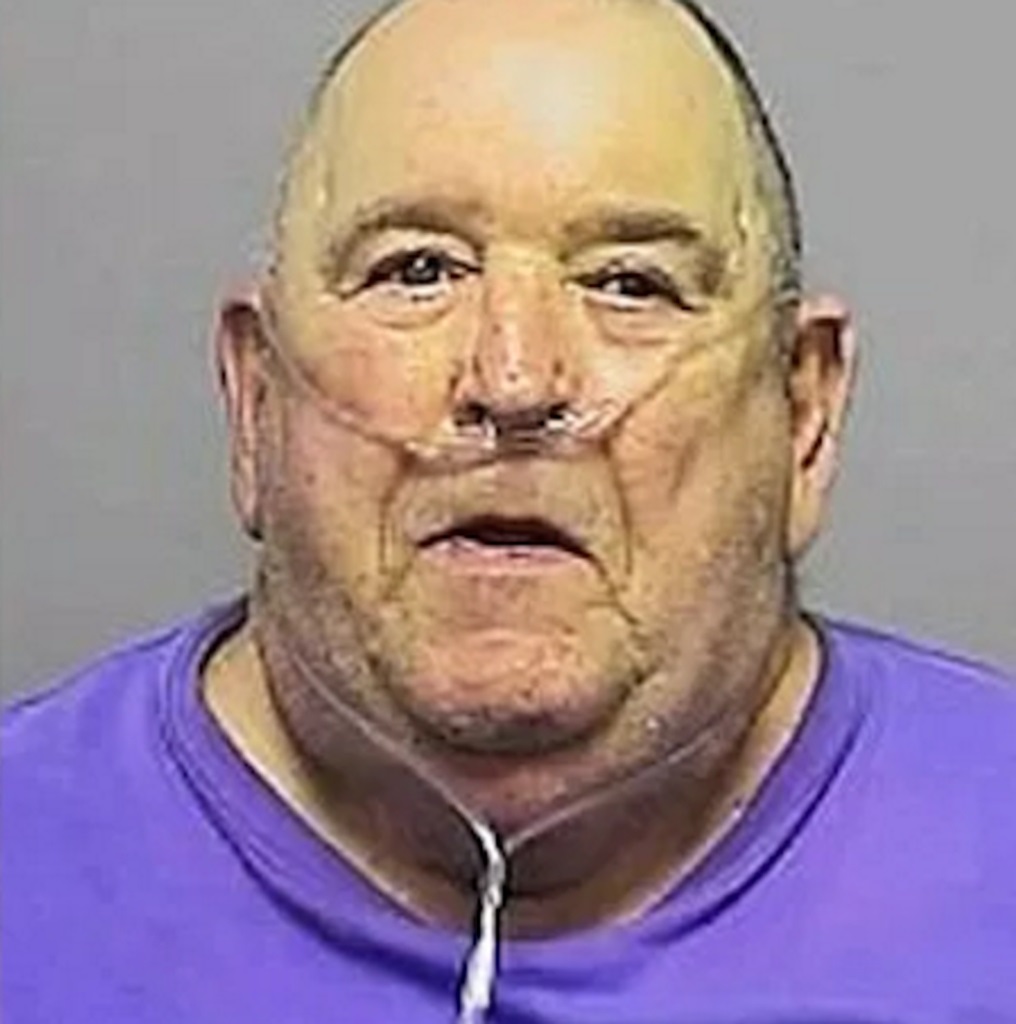
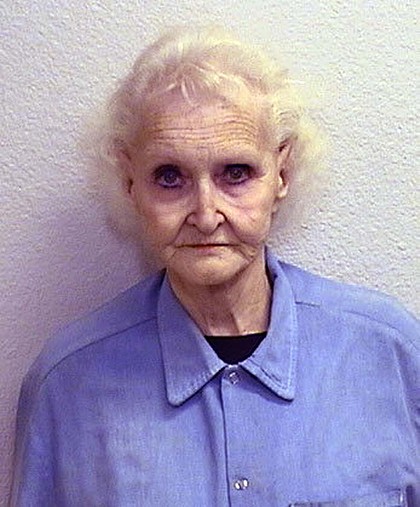
Andre Crawford was an American serial killer responsible for murdering 11 women in Chicago between 1993 and 1999. His crimes were concentrated in and around the Englewood and New City areas on Chicago's South Side, where abandoned buildings provided secluded locations in which he could isolate his victims. Crawford was also convicted of attempting to murder a twelfth woman who survived a brutal sexual assault in 1997. His case became one of Chicago's most significant serial-murder investigations of the 1990s, eventually bringing together DNA evidence, survivor testimony, confessions, forensic evidence and years of police work.
Crawford was born on March 20, 1962. By the 1990s, he was deeply involved in Chicago's crack-cocaine culture and knew a number of women living in the same neighborhoods in which he spent his time. Several of his victims struggled with drug addiction, and some exchanged sex for money or drugs. Crawford exploited those circumstances. He was not a stranger suddenly appearing from outside the community; in numerous cases he already knew the women he killed.
A Repeated Pattern of Murder
Crawford's crimes developed a recognizable pattern. He frequently approached women with an offer of crack cocaine in exchange for sex and accompanied them into vacant houses or other abandoned properties. According to his later statements, he became enraged when a woman wanted the cocaine before completing the sexual transaction, changed her mind, or attempted to leave. He then attacked, strangled, stabbed or beat the victim. Several victims were killed by strangulation, while others suffered stabbing or severe blunt-force injuries.
The murders also had a disturbing sexual component. Crawford admitted sexually assaulting victims during or after the fatal attacks and returning to some of their bodies after leaving the scene. In several cases he walked away, smoked crack cocaine and then returned to the abandoned building. His statements established that the repeated return to his victims was intentional. He also frequently removed shoes, clothing or other personal belongings and discarded the items at different locations, complicating the crime scenes and creating a recurring behavioral signature investigators later recognized.
Victims and Verified Case Details
The dates below are identified as discovery dates when the available records establish when a victim's body was found rather than the exact moment of death. In several cases decomposition made a precise time of death impossible to determine. The spellings of the victims' names below follow the Illinois appellate court record wherever possible.
- Patricia Dunn — Dunn, 37, was the first known victim in Crawford's murder series. She was found dead on September 21, 1993, in a vacant factory lot in the 700 block of West 50th Street in Chicago. She had suffered blunt-force trauma to the head. Crawford later described becoming angry during an encounter involving cocaine and sex and violently attacking her. Biological evidence recovered in connection with the crime later became important to the investigation.
- Rhonda King — King's partially skeletonized remains were discovered on December 21, 1994, on the third floor of a boarded-up building at 823 West 50th Place. Severe decomposition prevented the medical examiner from determining an official cause of death. Crawford later confessed that he had taken King into a vacant building after the two agreed to exchange drugs for sex and stabbed her in the upper back when she wanted cocaine first. He admitted sexually assaulting her and returning to the building later. Another serial killer, Hubert Geralds, had previously been convicted of King's murder; that conviction was vacated after Crawford's case emerged.
- Angela Shatteen — Shatteen, whom Crawford knew as "Angel," was found dead on April 3, 1995, in the attic of an abandoned house at 5043 South Carpenter Street. Schoolchildren discovered her body. An electrical cord was around her neck, and an autopsy concluded that she had been strangled. Crawford said he initially choked Shatteen with his hands before using an extension cord as she tried to escape. DNA evidence recovered in the investigation matched Crawford.
- Shaguanta Langley — Langley, whose name has sometimes been published as Shaquanta Langley, was one of the women Crawford was convicted of murdering and sexually assaulting. The appellate record confirms her as a murder victim but does not separately provide a reliable named discovery date in its detailed factual summary. Because published timelines conflict in pairing her name with an exact date, no unverified day of death is assigned here.
- Tommie Dennis — Dennis was another confirmed victim for whose murder and aggravated sexual assault Crawford was convicted. Crawford's confession concerning Dennis was introduced along with his statements about several other victims. He described the same general sequence: an agreement involving drugs and sex, anger when the woman wanted the cocaine first, murder, sexual assault and a later return to the body. Available official records reviewed for the case do not provide a sufficiently clear direct name-to-date pairing to state an exact death date for Dennis without risking error.
- Sonji Brandon — Brandon, also identified as Sonja Brandon in contemporary reporting, was among Crawford's confirmed murder victims. Contemporary reports indicated that she was strangled and that Crawford took a pair of her shoes after killing her. As with Dennis and Langley, published sources conflict when her name is matched to the otherwise documented chronology of unidentified victims, so an exact date is not presented as established fact here.
- Evandre Harris — Harris was found dead on August 13, 1998, on the first floor of an abandoned house at 920 West 52nd Street. Her body was discovered in the kitchen. The medical examiner concluded that she died from ligature strangulation, with cerebral injuries from blunt-force trauma contributing to her death. Crawford said he met Harris near West 53rd and South Halsted streets, accompanied her to the vacant house, attacked her when she tried to leave and ultimately strangled her with a cord or rope. DNA evidence connected him to the crime.
- Nicole Townsend — Townsend's severely decomposed body was discovered on August 13, 1998, in the attic of an abandoned building at 5223 South Marshfield Avenue. The medical examiner concluded that she died from strangulation. Crawford said he had known Townsend for several years and met her during the second week of August 1998 near West 53rd Street and South Ashland Avenue. He said he strangled her after she stopped a sexual encounter and demanded cocaine before continuing. Evidence recovered near Townsend's body produced a DNA profile consistent with Crawford.
- Cheryl Cross — Cross's decomposing body was found on December 8, 1998, in the attic of an abandoned house at 1220 West 52nd Street. Investigators found a section of rope around her neck and a broken knife blade lodged in her back. She had also suffered major injuries to her head and face. The medical examiner determined that the stab wound caused her death, with blunt-force head trauma as a significant contributing factor. Crawford said he attacked Cross after becoming angry over money he believed she had previously taken from him, stabbing her and striking her with a metal pipe.
- Sheryl Johnson — Johnson was discovered around midnight on April 20, 1999, inside an abandoned four-flat at 5004 South Justine Street. An autopsy established that she had been manually strangled. Crawford said he met Johnson during the third week of April near West 50th Street and South Marshfield Street. They entered an abandoned building after agreeing to exchange cocaine for sex. Crawford said he became angry when Johnson demanded additional cocaine and strangled her. DNA evidence recovered from Johnson matched Crawford.
- Constance Bailey — Bailey, 41, is generally identified as the final victim in Crawford's known series. The official chronological case study records the final murder victim as a 41-year-old woman found on June 20, 1999, in the attic of an abandoned building in the 1500 block of West 51st Street. Blood on a nearby wall indicated that a struggle had occurred. Crawford was convicted of Bailey's murder and aggravated criminal sexual assault, and DNA recovered from vaginal evidence in Bailey's case matched Crawford's DNA profile.
The Woman Who Survived
Crawford's killing pattern might have claimed another life on Thanksgiving Day, November 27, 1997. A woman identified in court as Claudia R., and publicly identified as Claudia Robinson, testified that Crawford approached her as she walked along West 51st Street. Crawford offered drugs before pulling a knife and forcing her into an abandoned building near West 51st and South Peoria streets.
Inside the building, Crawford sexually assaulted her and severely beat her with a piece of lumber. Claudia suffered devastating injuries but survived. She remained still during portions of the attack and was eventually able to receive medical attention. Her injuries were so serious that contemporary accounts described a lengthy recovery in which she had to learn to walk again. Forensic testing of evidence collected from her produced DNA consistent with Crawford. Years later, she testified against him, providing jurors with the rare perspective of someone who had endured one of his attacks and lived.
DNA Connects the Murders
For years, investigators had bodies, crime scenes and biological evidence but no identified offender. By 1999, Chicago police and the FBI were working together on the series. Authorities recognized that DNA recovered in several of the cases was pointing toward a single unknown man. Investigators collected hundreds of elimination samples while trying to identify the person whose genetic profile repeatedly appeared in the evidence. Seven of the 11 murder cases contained usable DNA evidence associated with the killer, and DNA was also recovered following the attack on Claudia.
The case illustrated how important forensic DNA technology had become. A government review of the Crawford investigation later noted that he had been arrested for a felony as early as March 1993, shortly before the first known murder. At the time, his DNA was not collected and entered into a national database in a manner that would have produced an immediate match. Consequently, investigators possessed genetic evidence from the emerging series without knowing whose profile it was.
Arrest and Confessions
Crawford was arrested on January 28, 2000, after investigators received information pointing them toward him. A DNA sample connected him to multiple cases. Once in custody, Crawford began admitting responsibility for killings, including murders detectives had not originally realized were connected to the same offender. His statements ultimately covered all 11 women for whose murders he was prosecuted.
The confessions supplied details about how he approached victims, what occurred inside the abandoned buildings, the methods used to kill them and what he did with clothing and personal possessions afterward. They also explained an especially disturbing feature of the crimes: Crawford repeatedly returned to victims after leaving the scene. The combination of his admissions, DNA evidence, medical findings, crime-scene evidence and survivor testimony created an enormous prosecution case involving approximately 90 witnesses and hundreds of exhibits.
The Wrongful Rhonda King Conviction
One of the most complicated portions of the Crawford investigation concerned Rhonda King. Before Crawford was identified, another Chicago serial killer, Hubert Geralds, had confessed to King's murder and had been convicted and sentenced to death for that killing along with other murders. Crawford later gave investigators his own detailed account of killing King. On February 10, 2000, prosecutors moved to vacate Geralds's conviction and death sentence in the King case. Geralds remained imprisoned for other murders, but Crawford was ultimately convicted of killing King.
Trial and Conviction
Crawford remained in custody for nearly a decade before his case finally reached a jury. In December 2009, jurors found him guilty of the murders of all 11 women as well as the attempted murder and sexual assault of Claudia. He was also convicted of numerous aggravated criminal sexual assault charges connected to the homicide cases.
The prosecution sought the death penalty. Jurors found Crawford legally eligible for death but ultimately declined to impose it. The court instead sentenced him to natural life imprisonment for the murders, along with additional prison terms for the sexual assaults and attempted murder. The result ensured that he would never be released.
Death in Prison and the Legacy of the Case
Crawford was imprisoned at Menard Correctional Center in Illinois. He died on March 18, 2017, at the age of 54, two days before what would have been his 55th birthday.
The Andre Crawford case remains significant not simply because of the number of murders but because of the circumstances that allowed the killings to continue for years. Many of the victims lived with addiction, poverty or involvement in street-level sex work, circumstances that made them particularly vulnerable to an offender who knew their neighborhood and routines. Crawford moved among the same people investigators were trying to protect and was familiar with the abandoned properties where he committed many of his crimes.
Ultimately, the murders of Patricia Dunn, Rhonda King, Angela Shatteen, Shaguanta Langley, Tommie Dennis, Sonji Brandon, Evandre Harris, Nicole Townsend, Cheryl Cross, Sheryl Johnson and Constance Bailey were brought together as the work of one offender. The survivor's testimony, Crawford's own admissions and advances in DNA analysis transformed a collection of apparently separate deaths into a single serial-murder prosecution. His conviction permanently established responsibility for 11 murders and ensured that the women whose deaths had once been scattered across years of Chicago police files were formally recognized as victims of the same killer.