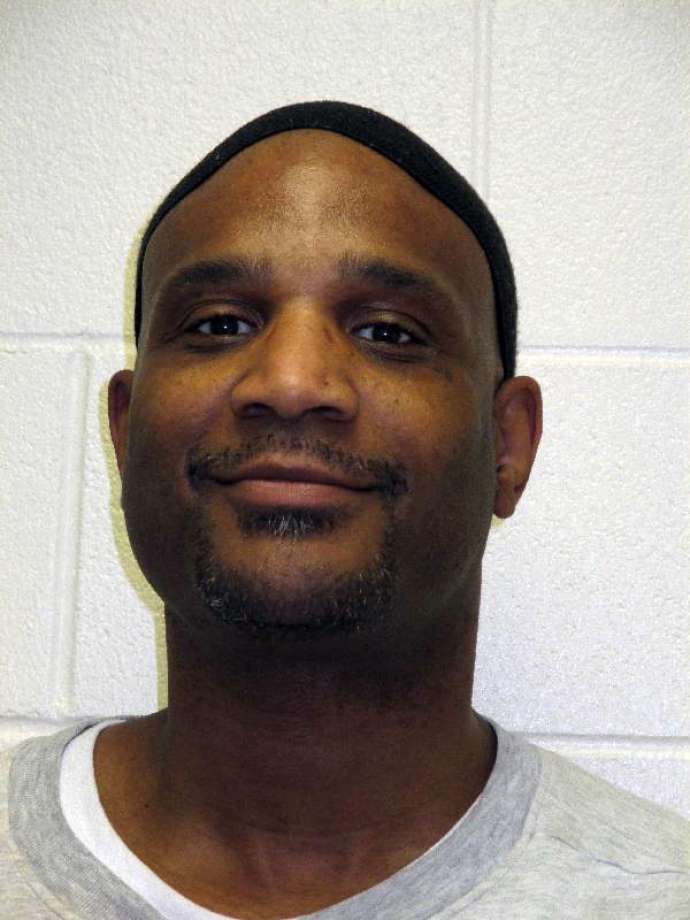
Ronald Hinton: The Rogers Park Strangler
Overview
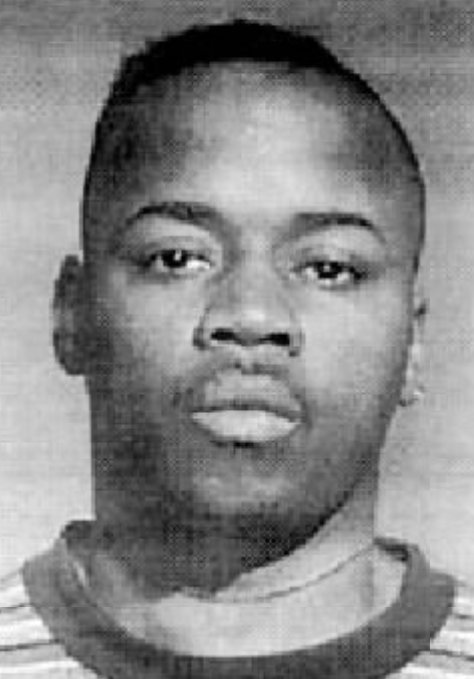
Between December 1996 and February 1999, a series of brutal home invasions and murders instilled fear in the residents of Chicago's Rogers Park neighborhood. The perpetrator, Ronald Hinton, sometimes acting alone and sometimes with accomplices, targeted women in their apartments, subjecting them to sexual assault and strangulation. The three known victims, Felicia Mullins, Keary Lea Gagnier, and Merceda Faye Ares, were killed in separate attacks spanning just over two years. The investigation into the seemingly random slayings culminated in a stunning breakthrough when Hinton's own young daughter recognized him in surveillance footage broadcast on the news. This courageous act of a child led to the arrest of Hinton and his associates, Michael Sanders and David Wales. DNA evidence definitively linked Hinton to all three murders. To escape a potential death sentence, Hinton pleaded guilty and was given three consecutive life sentences, ensuring he would never threaten society again.
Early Life and Background
Ronald Hinton was born in Chicago, Illinois, on September 17, 1972. His early life was a landscape of profound trauma and neglect. Raised by a deeply abusive mother, Hinton and his siblings were subjected to relentless beatings with a belt. His mother was reportedly driven by a delusional belief that her children were tainted by Satan. This horrific abuse was followed by abandonment when she eventually left the family.
Left to fend for himself, Hinton spiraled into a life of crime and substance abuse. He developed a severe addiction to drugs, which reportedly intensified following the death of his own son in adulthood. By his early twenties, he had fathered a daughter but was already enmeshed in the criminal justice system, having accumulated numerous convictions for robbery. His life was a cycle of addiction funded by crime, a pattern that would escalate into sexual violence and murder. According to later court testimony, Hinton and his friend Michael Sanders had known each other for 15 years and frequently used drugs together, with Hinton financing his habit through burglaries and robberies.
The Murder of Felicia Mullins
The first known murder occurred on December 6, 1996. The victim was 17-year-old Felicia Mullins, a young mother of three with whom Hinton had been having a sexual relationship. On that day, Hinton went to her apartment in Rogers Park. Inside, he sexually assaulted and strangled her. In his subsequent confession, Hinton claimed that the murder was precipitated by Mullins's threat to expose their affair to his girlfriend.
After killing her, Hinton fled the scene. Hours later, Mullins's boyfriend discovered her body and flagged down a passing police car. An autopsy by the coroner's office confirmed that the cause of death was strangulation. For more than two years, the case remained unsolved, with no clear leads pointing to a suspect.
The Murder of Keary Lea Gagnier
Nearly two years later, on August 18, 1998, Hinton escalated his violence, this time with an accomplice. He and Michael Sanders targeted the third-floor apartment of 36-year-old Keary Lea Gagnier on West Pratt Avenue, also in Rogers Park. Unlike the first murder, this attack was random. The two men intended to commit a burglary to get money for drugs and alcohol and had no prior connection to Gagnier. They chose her apartment because they noticed a back door had been left open.
Finding Gagnier at home, they attacked her in her bedroom. They partially stripped and raped her before Hinton strangled her to death. In his confession, Hinton noted that Gagnier had fought fiercely for her life. After the murder, they ransacked the apartment, stealing valuables including her identification. They discarded her personal items in a nearby trash can, where they were later discovered by sanitation workers. The discovery of Gagnier's body launched another homicide investigation, but like the Mullins case, it quickly went cold.
The Murder of Merceda Faye Ares
The final, and most audacious, murder took place on the night of February 13, 1999. Hinton, Sanders, and a third man, David Wales, forced their way into the apartment of 31-year-old Merceda Faye Ares. The three men raped Ares, and then Hinton strangled her. During the horrific assault, Ares, a social worker, pleaded for her life, reportedly telling her attackers that she worked with people just like them in an appeal to their shared humanity.
Her pleas were ignored. After she was dead, the men stole her belongings, including her bank card. This act of theft, intended to fund their drug habits, would prove to be their critical mistake. The murder of Merceda Ares, while tragic, provided the crucial evidence that would unravel the entire series of crimes.
The Victims
- Felicia Mullins, 17 — December 6, 1996. A young mother of three children, she was killed in her Rogers Park apartment by a man she knew. Her life was cut short just as she was navigating the challenges of young motherhood.
- Keary Lea Gagnier, 36 — August 18, 1998. Murdered in her apartment during a random home invasion, she was remembered as a woman who fought courageously against her attackers. Her death left a community shaken by its senseless brutality.
- Merceda Faye Ares, 31 — February 13, 1999. A dedicated social worker, she was killed after pleading with her assailants by appealing to their capacity for empathy. Her murder was the final act in Hinton's violent spree and the one that led directly to his capture.
Investigation and Capture
The investigation into Merceda Ares's murder moved quickly. After stealing her bank card, Hinton and Sanders used it to withdraw $500 from an ATM. The transaction was captured by a surveillance camera, providing police with clear images of two suspects. Investigators released the photos and video to local news outlets, hoping for a tip from the public.
The break in the case came from a source no one could have predicted. Ronald Hinton's own daughter, a third-grader, was watching a television news broadcast when the ATM footage aired. She recognized one of the men as her father and bravely told her teacher what she had seen. The teacher immediately alerted the Chicago Police Department.
Acting on this incredible tip, police located and arrested Hinton and Sanders in March 1999. Soon after, their accomplice David Wales was also taken into custody. The case against them solidified rapidly. DNA evidence recovered from the scene of Ares's murder was a match for Ronald Hinton. With Hinton identified, investigators ran his DNA profile against evidence from other unsolved crimes. It matched biological evidence collected from the 1998 murder of Keary Gagnier, definitively linking Hinton and, by association, Sanders to that crime as well. Finally, Hinton's DNA was matched to evidence from the 1996 murder of Felicia Mullins.
Faced with the irrefutable power of DNA evidence and the testimony of his own child, Hinton confessed. He provided detectives with detailed, videotaped statements admitting his role as the strangler in all three murders.
Trial and Sentence
Ronald Hinton was charged with three counts of first-degree murder. Michael Sanders was charged in the murders of Keary Gagnier and Merceda Ares, and David Wales was charged in the murder of Ares. Cook County prosecutors announced they would seek the death penalty for Hinton, the man they identified as the primary killer in all three slayings.
David Wales, who acted as a lookout during the Ares murder, was the first to face trial. In January 2003, a jury found him guilty of first-degree murder under the felony-murder rule. He was subsequently sentenced to 40 years in prison.
On May 11, 2004, as his own capital murder trial approached, Ronald Hinton accepted a plea agreement to avoid a possible death sentence. In a packed courtroom, with the victims' families present, Hinton pleaded guilty to all three murders. Prosecutors read his chilling confessions aloud, detailing the brutal final moments of each woman's life. On August 24, 2004, Judge James Schreier formally sentenced Hinton to three consecutive terms of life in prison without the possibility of parole. In sparing Hinton's life, the judge acknowledged Hinton's expressions of remorse and cited the extreme abuse he had suffered as a child as a significant mitigating factor.
Michael Sanders was subsequently convicted for his role in the murders of Gagnier and Ares. In December 2004, he was sentenced to two life terms in prison.
Accomplices
- Michael Sanders: A longtime acquaintance of Hinton, Sanders participated in the murders of Keary Gagnier and Merceda Ares. He was convicted on an accountability theory for both crimes and sentenced to two life sentences. He later sought post-conviction relief, supported by an affidavit from Hinton recanting his testimony, but his petition was denied in 2018 after an evidentiary hearing.
- David Wales: Wales acted as a lookout during the home invasion and murder of Merceda Ares. He was convicted of first-degree murder and sentenced to 40 years. In October 2023, his sentence was commuted by Illinois Governor J.B. Pritzker, making him eligible for parole. He was released in June 2024.
Aftermath and Legacy
The Ronald Hinton case was a landmark for the Chicago Police Department, demonstrating the crucial role that DNA technology could play in connecting seemingly disparate cold cases and bringing a serial killer to justice. It was also a story of profound tragedy, not only for the victims and their families but also for the killer's own family. The case is most often remembered for the extraordinary courage of the nine-year-old girl who, faced with an unimaginable horror, chose to tell the truth and, in doing so, ended her own father's reign of terror.
Ronald Hinton is currently serving his three life sentences at the Hill Correctional Center in Galesburg, Illinois. Michael Sanders is also serving his life sentences in the Illinois Department of Corrections. The release of David Wales on parole in 2024 brought the case back into the public eye, serving as a painful reminder for the families of the victims of the violence that shattered their lives decades earlier.