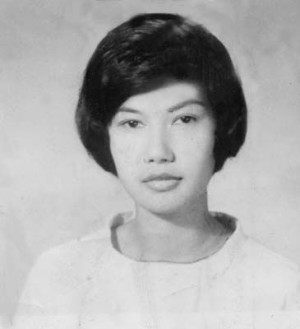
In the winter of 1996, a season meant for warmth and family, the life of 17-year-old Felicia Mullins was brutally extinguished. A young mother of three children, Felicia was navigating the challenges and joys of parenthood in her apartment in Chicago’s Rogers Park neighborhood. Her life, filled with the promise and potential of youth, was cut short on December 6, 1996, by a man she knew, leaving her family shattered and a community in fear.
On that cold December day, Ronald Hinton
gained access to Felicia’s home. Hinton, who had a prior sexual relationship with the teenager, attacked, sexually assaulted, and strangled her to death. Hours later, Felicia's boyfriend made the devastating discovery of her body and immediately flagged down a police car. The Cook County medical examiner would confirm that the cause of death was strangulation. For her loved ones, the loss was immeasurable; a young woman just beginning her adult life, and a mother to three small children, was gone forever.
For nearly two years, Felicia’s murder remained unsolved, a painful open wound for her family. The investigation eventually gained momentum as a pattern of horrific violence emerged in the Rogers Park area. On August 18, 1998, 36-year-old Keary Lea Gagnier was raped and strangled in her apartment. Then, on February 13, 1999, 31-year-old Merceda Ares was murdered in a similar fashion. This third murder would ultimately provide the break investigators needed. After killing Ares, Hinton and his accomplices used her bank card at an ATM, and their images were captured on surveillance video.
The footage was broadcast on local news, leading to a shocking and pivotal tip. Hinton's own third-grade daughter recognized her father in the news report and bravely told her teacher, who then contacted the police. This courageous act broke the case wide open. Hinton was apprehended in March 1999. Subsequent investigation, including DNA evidence, definitively linked him not only to the murder of Merceda Ares but also to the killings of Keary Gagnier and Felicia Mullins.
The man responsible for Felicia’s death was Ronald Hinton, a man with a deeply troubled and violent past. Born in Chicago, Hinton endured a traumatic childhood marked by severe abuse at the hands of his mother. He struggled with drug addiction, which reportedly worsened after the death of his own son, and had an extensive criminal record for robbery before committing murder. His attacks on Felicia, Keary, and Merceda earned him the moniker "The Rogers Park Strangler."
Faced with the mountain of evidence against him and the possibility of capital punishment, Ronald Hinton chose to accept a plea deal. In 2004, he pleaded guilty to three counts of first-degree murder. The judge accepted the plea, and Hinton was sentenced to three consecutive life sentences without the possibility of parole, ensuring he would never again pose a threat to the community. Two accomplices, Michael Sanders and David Wales, who were involved in the later murders, also received lengthy prison sentences for their roles.
While the legal chapter of Felicia Mullins' case is closed, the pain of her loss endures. Her three children were left to grow up without their mother, and her family was forced to confront a future stolen from them by an act of senseless violence. Her death served as the first tragic marker of a serial killer's reign of terror, a period that left a deep scar on the Rogers Park community. Though justice was served, it cannot replace the vibrant young life that was taken too soon.