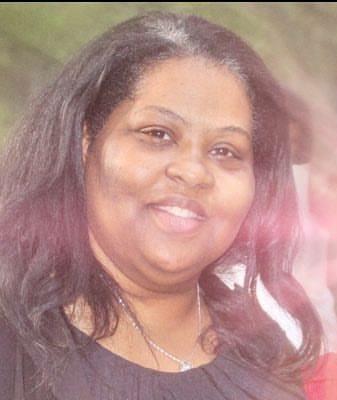
Rhonda King, a 24-year-old African American woman, tragically lost her life on December 21, 1994, in Chicago, Illinois. Her death was initially attributed to Hubert Geralds Jr., a serial killer known as the 'Englewood Strangler,' who was convicted of six murders and one attempted murder in the mid-1990s. Geralds confessed to King's murder, among others, and was sentenced to death in 1997. However, in 2000, new evidence emerged linking King's murder to another serial killer, Andre Crawford.
Crawford, who was charged with ten counts of first-degree murder and one count of aggravated criminal sexual assault, confessed to King's murder in a videotaped statement. This confession led prosecutors to vacate Geralds' conviction for King's murder, although he remained on death row for other crimes.
Andre Crawford's crimes were particularly heinous, involving the rape and murder of women in Chicago's Englewood neighborhood. His victims were often drug addicts or sex workers, whom he lured with promises of drugs before attacking them. Crawford admitted to sexually assaulting his victims post-mortem, a detail that underscored the brutality of his actions. Despite his confession to King's murder, DNA evidence was not available to corroborate his claim, leaving some aspects of the case unresolved.
The legal proceedings surrounding King's death highlighted significant issues in the justice system, including the reliability of confessions and the challenges of linking crimes to perpetrators without definitive evidence. Geralds' initial conviction for King's murder was based on his confession, which was later called into question due to his low IQ and susceptibility to coercion. Crawford's confession, while detailed, raised concerns about the adequacy of evidence in securing convictions. These complexities underscore the importance of thorough investigations and the need for advancements in forensic science to ensure justice for victims like Rhonda King.