Robert Bowers and the 2018 Pittsburgh Synagogue Massacre
The Tree of Life Synagogue Attack
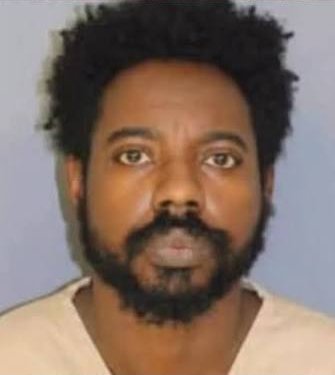
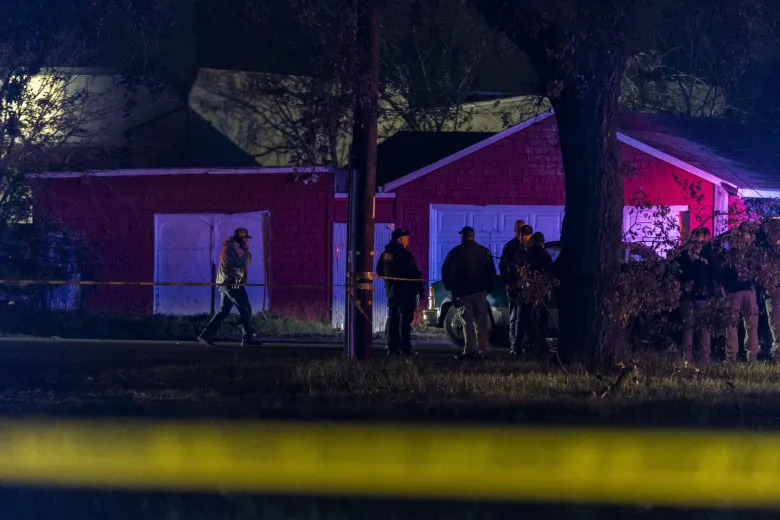
Robert Gregory Bowers carried out a deadly antisemitic attack at the Tree of Life–Or L’Simcha synagogue in Pittsburgh, Pennsylvania, on October 27, 2018. The massacre occurred in the city’s Squirrel Hill neighborhood, a community with deep Jewish roots. Eleven worshippers were murdered and several other people, including police officers, were wounded. The attack became the deadliest act of antisemitic violence against a Jewish community in United States history.
The synagogue building at 5898 Wilkins Avenue was shared by three congregations: Tree of Life–Or L’Simcha, New Light Congregation and Congregation Dor Hadash. On that Saturday morning, members of all three congregations were gathering for Shabbat services, prayer and religious study. Many of the people inside were older, longtime members who knew one another through decades of worship, friendship and community service.
Antisemitic Motive and Online Activity
Before the massacre, Bowers had repeatedly expressed hatred toward Jewish people through posts on the social-media platform Gab. His writings promoted antisemitic conspiracy theories, hostility toward immigrants and white-supremacist beliefs. He was particularly angered by HIAS, a Jewish humanitarian organization that assists refugees and immigrants.
Congregation Dor Hadash had previously participated in a refugee-focused religious program associated with HIAS. Shortly before beginning the attack, Bowers posted a message accusing HIAS of bringing dangerous “invaders” into the country. He concluded by announcing that he was going into action. The message, combined with his earlier posts and statements made during and after the shooting, demonstrated that the synagogue and its worshippers had been deliberately targeted because they were Jewish.
The Morning of October 27, 2018
At approximately 9:45 a.m., services and religious gatherings were underway in different parts of the synagogue. Tree of Life members were meeting in an upstairs chapel, New Light congregants were holding services in the basement and members of Dor Hadash were arriving for a Torah study session scheduled to begin at 10:00 a.m.
Bowers arrived armed with a Colt AR-15 SP1 semiautomatic rifle and several Glock pistols chambered in .357 SIG. Additional ammunition and another firearm were found in his vehicle. At approximately 9:54 a.m., he entered the building and began firing at the people inside.
The first victims encountered near the entrance included brothers Cecil and David Rosenthal. The brothers were familiar and beloved figures at Tree of Life, where they regularly greeted worshippers. Bowers continued through the building, moving between floors and firing upon congregants who were attending services or trying to hide.
The Attack in the Basement
Members of New Light Congregation were conducting their service in the basement when the gunfire began. Some congregants hid inside a dark storage area or closet. Melvin Wax, who was leading the service that morning, reportedly opened the door after the immediate gunfire appeared to stop. Bowers was still nearby and shot him.
Richard Gottfried and Daniel Stein were also killed in the basement area. Gottfried was a dentist who had operated a practice with his wife for decades and volunteered his professional services to people who could not afford dental care. Stein was an active member of New Light Congregation and had served in leadership positions within the congregation.
Jerry Rabinowitz, a physician and member of Congregation Dor Hadash, moved toward the sound of gunfire rather than away from it. Those who knew him believed he may have been trying to determine whether someone needed medical assistance. He was shot and killed inside the building.
The Attack on Tree of Life Worshippers
Rabbi Jeffrey Myers was leading the Tree of Life service in an upstairs chapel when he heard loud noises from below. After recognizing the sounds as gunfire, he helped several people escape through a side exit and contacted emergency services. Other worshippers were unable to leave and remained trapped inside.
Bowers entered areas occupied by members of Tree of Life and continued shooting. Among those killed were Rose Mallinger, Joyce Fienberg, Irving Younger and married couple Bernice and Sylvan Simon. The Simons had been married at the synagogue more than six decades earlier. Their deaths, along with those of the Rosenthal brothers, meant that the massacre took multiple members from two separate families.
The shooting continued for approximately 20 minutes before Bowers attempted to leave the building. Police officers responding to emergency calls encountered him near an exit, and an exchange of gunfire followed. Bowers retreated inside and barricaded himself on an upper floor.
Police Response and Arrest
Pittsburgh police patrol officers and tactical personnel entered the synagogue while the gunman remained inside. Four officers were wounded during the confrontation, including officers struck by gunfire and one injured by flying glass or debris. Other survivors suffered gunshot wounds and physical injuries.
After another exchange of gunfire, Bowers was wounded multiple times. He eventually surrendered and crawled toward officers. He was taken into custody and transported to a hospital for treatment. According to testimony and investigative accounts, Bowers continued making antisemitic statements after his capture and indicated that he wanted Jewish people to die.
Victims of the Pittsburgh Synagogue Massacre
- Joyce Fienberg, 75, was killed on October 27, 2018, at the Tree of Life synagogue in Pittsburgh, Pennsylvania. She was a retired research specialist who had worked at the University of Pittsburgh.
- Richard Gottfried, 65, was killed on October 27, 2018, in the basement of the Tree of Life synagogue. He was a dentist who provided charitable care to patients in need.
- Rose Mallinger, 97, was killed on October 27, 2018, during the Tree of Life service. She was the oldest person murdered in the attack and had attended the synagogue for many decades.
- Jerry Rabinowitz, 66, was killed on October 27, 2018, inside the synagogue. He was a family physician and a member of Congregation Dor Hadash who was remembered for his compassion toward patients.
- Cecil Rosenthal, 59, was killed on October 27, 2018, near the entrance of the synagogue. He regularly attended services with his younger brother, David.
- David Rosenthal, 54, was killed on October 27, 2018, alongside his brother Cecil. The brothers lived together and were well known for welcoming people arriving for services.
- Bernice Simon, 84, was killed on October 27, 2018, at the Tree of Life synagogue with her husband, Sylvan. The couple had married at the synagogue in 1956.
- Sylvan Simon, 86, was killed on October 27, 2018, beside his wife, Bernice. They had been married for more than 60 years.
- Daniel Stein, 71, was killed on October 27, 2018, in the synagogue’s basement. He was an active member and former president of New Light Congregation.
- Melvin Wax, 87, was killed on October 27, 2018, while leading services for New Light Congregation. He was a retired accountant and a devoted member of the congregation.
- Irving Younger, 69, was killed on October 27, 2018, inside the synagogue. He was known for greeting worshippers and helping organize religious services.
Federal and State Charges
Bowers initially faced 29 federal charges. A federal grand jury later returned expanded indictments containing a total of 63 counts. The charges included hate crimes resulting in death, obstruction of the free exercise of religious beliefs resulting in death, attempted obstruction of religious exercise, firearms offenses and crimes connected to the shootings of police officers and surviving congregants.
Pennsylvania authorities also filed 36 state charges, including criminal homicide, attempted homicide, aggravated assault and ethnic intimidation. The federal prosecution proceeded first because federal prosecutors sought the death penalty under civil-rights and hate-crime statutes.
Bowers pleaded not guilty. His attorneys later acknowledged during the federal trial that he had committed the shootings, but they contested whether the government had proven every element required for the capital offenses and argued against a death sentence.
The Federal Trial
Bowers’ federal trial began in Pittsburgh in 2023. Prosecutors presented physical evidence from the synagogue, firearms evidence, emergency calls, police testimony, survivor accounts and Bowers’ extensive history of antisemitic online posts. The evidence showed that he had selected a Jewish house of worship, arrived heavily armed and moved through the building while deliberately shooting congregants.
Survivors described the confusion and terror inside the synagogue as worshippers heard gunfire, attempted to escape and hid in rooms, closets and darkened areas. Police officers testified about entering the building and confronting Bowers while victims and survivors remained inside.
The defense did not seriously dispute that Bowers was the gunman. Instead, his attorneys focused on questions involving his mental condition, his motives and whether he should be executed. Prosecutors argued that his actions were calculated, intentional and motivated by a clearly documented hatred of Jewish people.
On June 16, 2023, a federal jury found Bowers guilty on all 63 counts. The verdict included convictions for 11 hate crimes resulting in death and 11 counts of obstructing the free exercise of religion resulting in death.
Death-Penalty Proceedings
After the guilty verdicts, the trial entered a lengthy penalty phase. The defense presented evidence concerning Bowers’ mental health and claimed that brain abnormalities or psychiatric problems affected his behavior. Defense specialists testified that he showed signs consistent with serious mental illness, including schizophrenia or delusional thinking.
Government experts disputed significant portions of those conclusions. Prosecutors presented medical testimony indicating that neurological testing and brain scans were largely normal. They also argued that the evidence showed careful preparation rather than an impulsive act caused solely by mental illness.
Prosecutors emphasized Bowers’ acquisition and possession of weapons, his online statements, his final message before the attack and his behavior inside the synagogue. They maintained that he understood his actions and had deliberately chosen to murder Jewish worshippers as an expression of his extremist ideology.
During the final portion of the penalty phase, relatives of the victims and survivors described the permanent damage caused by the massacre. They spoke about lost parents, siblings, spouses, friends, physicians and community leaders. Their testimony portrayed the victims as individuals whose ordinary acts of faith, kindness and service had bound the three congregations together.
Sentence
On July 13, 2023, the jury determined that Bowers was legally eligible for the federal death penalty. On August 2, 2023, the jury unanimously recommended that he be sentenced to death. The following day, August 3, 2023, a federal judge formally imposed the death sentence.
Bowers was also given lengthy prison sentences on the noncapital convictions. His federal death sentence remained in effect after President Joe Biden commuted the sentences of most other federal death-row prisoners in December 2024. Bowers was excluded from those commutations because his offenses were classified among hate-motivated mass murders and acts of terrorism.
Aftermath and Community Impact
The massacre devastated Pittsburgh’s Jewish community and produced mourning throughout the United States and other countries. Vigils were held in Pittsburgh, and thousands of people gathered to remember the dead and stand with the affected congregations. Funerals for the victims took place during the days following the attack.
The shooting also led religious institutions across the country to reconsider security measures. Synagogues, churches, mosques and other houses of worship examined emergency plans, building access, surveillance systems and coordination with law enforcement. The attack became a central example of the lethal danger posed by antisemitism, white supremacy and online radicalization.
The Tree of Life, New Light and Dor Hadash congregations continued their religious and community work after the massacre. Survivors and relatives became advocates against antisemitism and hate-based violence. Plans were developed to transform the damaged synagogue property into a renewed place of worship, remembrance, education and resistance to hatred.
Robert Bowers’ attack was not an indiscriminate shooting at a random public location. It was a planned assault on Jewish people gathered for worship on the Sabbath. The names of the 11 victims became inseparable from the history of the Tree of Life synagogue and from the broader struggle against antisemitic violence in the United States.