The Lawton Serial Killer: Oklahoma’s Unsolved Cache Road Murders
Overview
The “Lawton Serial Killer” is the unofficial name given to an unidentified person suspected of killing several women in and around Lawton, Oklahoma, between 1999 and 2003. The five cases most often linked by investigators involved Jane Marie Chafton, Cassandra Lee Ramsey, Mandy Ann Raite, Janice Marie Buono and Pamela Woodring. All five women were found unclothed in or near water, and each had connections to Lawton’s Cache Road corridor, an area then associated with inexpensive motels, drug activity and street-level prostitution.
No person has been convicted of these deaths, and authorities have never publicly established that every case was the work of one offender. Nevertheless, the victims’ circumstances, the disposal of their bodies and their connections to the same relatively small area led investigators and residents to fear that a serial predator was targeting vulnerable women. Other disappearances and killings have also been examined as possible parts of the series, although those connections remain uncertain.
The Cache Road Connection
Cache Road runs through a busy commercial section of Lawton near Fort Sill. During the period in which the women disappeared, the corridor contained numerous motels and businesses where people could come and go without attracting much attention. Several victims stayed in motels along or near Cache Road, worked in the surrounding area or associated with people who frequented it.
The unknown offender may have selected women whose disappearances were less likely to receive immediate attention. Some of the victims struggled with substance dependence, unstable housing or prostitution. These circumstances could have made them easier to approach, particularly if the killer appeared trustworthy, offered transportation or was already familiar to them.
A recurring theory is that the perpetrator had access to a vehicle and knew the rural roads surrounding Lawton. The bodies were not left in the busiest portions of the city. Instead, they were taken to creeks, ponds, drainage areas or isolated locations in neighboring counties. This suggests that the person responsible may have understood where a body could be concealed and how to travel through the region without appearing out of place.
Victims Most Commonly Attributed to the Series
- Jane Marie Chafton — found August 13, 1999, in Stephens County, Oklahoma: Chafton, 28, was discovered unclothed in Sandy Bear Creek. She had last spoken with her sister on August 1 and was reportedly seen as late as August 10. She had been staying at a Motel 6 and requested a taxi ride to Duncan before canceling the pickup because she had obtained another ride. Her body was identified through fingerprints and tattoos. No personal possessions or clothing were recovered with her, and the medical examiner found no obvious fatal injuries. Her precise date and cause of death were not established.
- Cassandra Lee “Sandy” Ramsey — found March 22, 2000, near the Jefferson-Cotton county line: Ramsey, 25, disappeared from the Lawton area in late 1999. Witnesses said she was last seen leaving with an unidentified white man who was driving a full-sized van. She reportedly told an acquaintance that she was traveling to Texarkana. Before vanishing, Ramsey had expressed fear that she would be the next woman killed. A farmer found her unclothed body partly embedded in mud in a roadside ditch. Because of decomposition, investigators could not determine her exact date or cause of death.
- Mandy Ann Raite — found June 17, 2000, off Bethel Road in Comanche County, Oklahoma: Raite, 21, was found unclothed in a small creek during an early-morning patrol. She had reportedly been seen leaving the Sheridan Inn on June 14. Raite was a mother who had remained in frequent contact with relatives while struggling with drug dependence. The medical examiner attributed her death to an accidental cocaine overdose, but the circumstances remained troubling because she had been transported to the isolated creek and left without clothing. Jewelry she commonly wore, an address book and some clothing were never located.
- Janice Marie Buono — found February 23, 2002, in Comanche County, Oklahoma: Buono, 29, disappeared on or around January 1, 2002, after staying at the Sheridan Inn. She had three children and had reportedly told relatives that she wanted to return home. Her body was discovered unclothed in a pond beneath or near an old bridge, approximately three miles from the location where Raite had been found. Her death was attributed to an overdose involving methamphetamine and cocaine. As with Raite, the apparent overdose did not explain who removed her clothing, transported her body and left her in the water.
- Pamela Woodring — found June 4, 2003, in Kiowa County, Oklahoma: Woodring, 34, was discovered unclothed in water beneath a rural bridge by farm workers. She had recently moved to the Lawton area and had been released from prison. Relatives described her as attempting to rebuild her life while continuing to struggle with substance dependence. No personal possessions were found with her, and no obvious external trauma explained her death. Her precise date and cause of death were not determined.
Jane Chafton and the Beginning of the Recognized Pattern
Jane Chafton’s death became the first of the five cases commonly treated as the central series. She had once worked as an accountant but later developed a drug problem and began working at a massage business that catered to customers in the Lawton and Fort Sill area. Her sister became alarmed when Jane stopped making contact and began searching for her independently.
Chafton’s canceled taxi ride became an important unanswered detail. She apparently intended to travel from her motel to Duncan but told the taxi company that another person would take her. The identity of that driver has never been publicly established. Within days, Chafton was dead in a creek in Stephens County. Although authorities could not identify a fatal injury, the absence of her clothing and belongings made a natural or accidental journey into the creek appear improbable.
Cassandra Ramsey’s Fear Before Her Disappearance
Cassandra Ramsey’s statements before she vanished added a disturbing dimension to the investigation. After Chafton was found, Ramsey reportedly told others that she believed she would be the next victim. It remains unknown whether she possessed specific information, recognized the offender or was simply frightened by Chafton’s death.
Ramsey was last associated with a man driving a large van. The reported plan to travel to Texarkana may have been genuine, a story she had been given or an explanation intended to prevent others from becoming suspicious. When her body was recovered several months later, she had been abandoned far outside central Lawton. The condition of her remains prevented investigators from determining exactly how or when she died.
The Question of Drug Overdoses
Drugs complicated the Lawton investigation. Toxicology findings provided a possible medical explanation for some of the deaths, particularly those of Mandy Raite and Janice Buono. However, an overdose alone could not account for the victims being unclothed, transported away from their last-known locations and abandoned in water or isolated countryside.
One possibility is that the women overdosed while in the company of someone who disposed of their bodies to avoid arrest or scrutiny. Another is that the killer deliberately supplied or administered drugs, knowing that intoxication would leave the victims defenseless and make their deaths appear accidental. It is also possible that different cases had different circumstances. Without conclusive evidence of inflicted injuries, investigators faced the difficult task of proving not only who was responsible but whether each death legally constituted homicide.
Tanja Marie Hook and Other Possible Victims
Seventeen-year-old Tanja Marie Hook disappeared from Lawton during the summer of 2003. Her boyfriend reported seeing her enter a black truck occupied by an older white man. Her remains were found in a ditch in McClain County on August 30, 2003, but they were not identified through DNA testing until 2008. Decomposition prevented officials from determining her exact date or cause of death.
Hook has not always been included among the five principal victims, but her connection to the Cache Road motel area, her disappearance in the same general period and the rural disposal of her remains caused investigators and researchers to examine a possible link. No suspect has been publicly charged in her death.
Other women whose cases have been discussed as possible extensions of the series include Barbara Berry, Rebecca Walden and Annastasia Runningwolf. These proposed connections are more speculative and should not be treated as established law-enforcement conclusions.
- Barbara Berry — found in late November 1994 in rural Comanche County: Berry, 19, had disappeared from Lawton in 1993. Her remains were discovered wrapped in plastic inside a box or crate that had been covered with a plaster-like material. No cause of death could be determined. Her method of concealment differed greatly from the water-related disposal of the recognized victims, but her Lawton associations and vulnerable circumstances have led some researchers to consider a possible connection.
- Rebecca Jean Walden — remains found July 13, 2005, in Kiowa County: Walden disappeared from Lawton in June 2002. Partial remains found near State Highway 54 were initially known as the Kiowa County Jane Doe and were identified as Walden in 2021. Her precise date and cause of death remain unknown. She had reportedly traveled to Lawton to speak with her estranged husband and had associations with taxi transportation, a detail that contributed to theories that the unknown killer might have been a driver.
- Annastasia Runningwolf — found November 3, 2005, in Oklahoma City: Runningwolf, 25, was discovered in a drainage ditch near Northwest 23rd Street and Miller Avenue. She was unclothed except for a blanket. She had struggled with addiction and was involved in prostitution in Oklahoma City. Some researchers believe her death could indicate that the Lawton offender moved or expanded into Oklahoma City, but no official connection has been established.
Theories About the Offender
The unidentified killer may have been a local man who understood the social networks surrounding Cache Road. He could have known which women lacked stable housing, which motels they used and which rural routes offered secluded disposal locations. A stranger would have needed to create trust quickly, while a familiar customer, acquaintance or service worker could have persuaded the women to enter his vehicle without resistance.
The taxi-driver theory developed because several victims relied on others for transportation. A taxi would not have appeared suspicious near a motel, and a driver could have traveled through Lawton repeatedly without attracting attention. Employment as a truck driver, delivery worker, military service member or other mobile occupation has also been suggested. None of these theories has been proven.
Investigators have also considered the possibility that there was no single Lawton Serial Killer. Women living in the same environment could have encountered different violent offenders, suffered separate overdoses or been abandoned by different associates. Similar victim backgrounds and disposal sites may have created the appearance of one offender where several people were involved. The lack of a publicly identified cause of death in multiple cases makes it especially difficult to establish a common method of killing.
Investigation and Suspects
Lawton police, county sheriff’s offices and the Oklahoma State Bureau of Investigation examined the deaths. Because the bodies were found in several counties, information was initially divided among different agencies. The pattern became clearer only after investigators compared cases and noticed the repeated combination of unclothed victims, rural water locations, narcotics and connections to Cache Road.
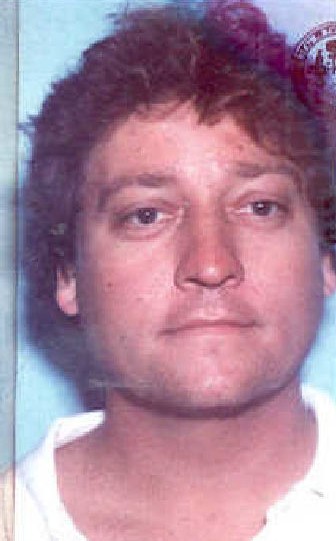
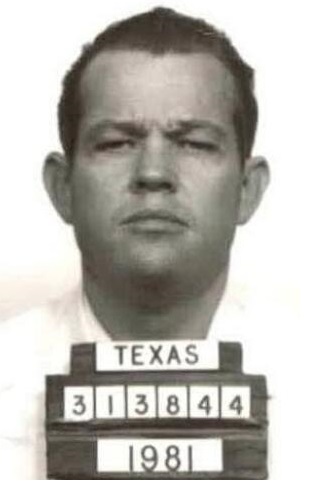
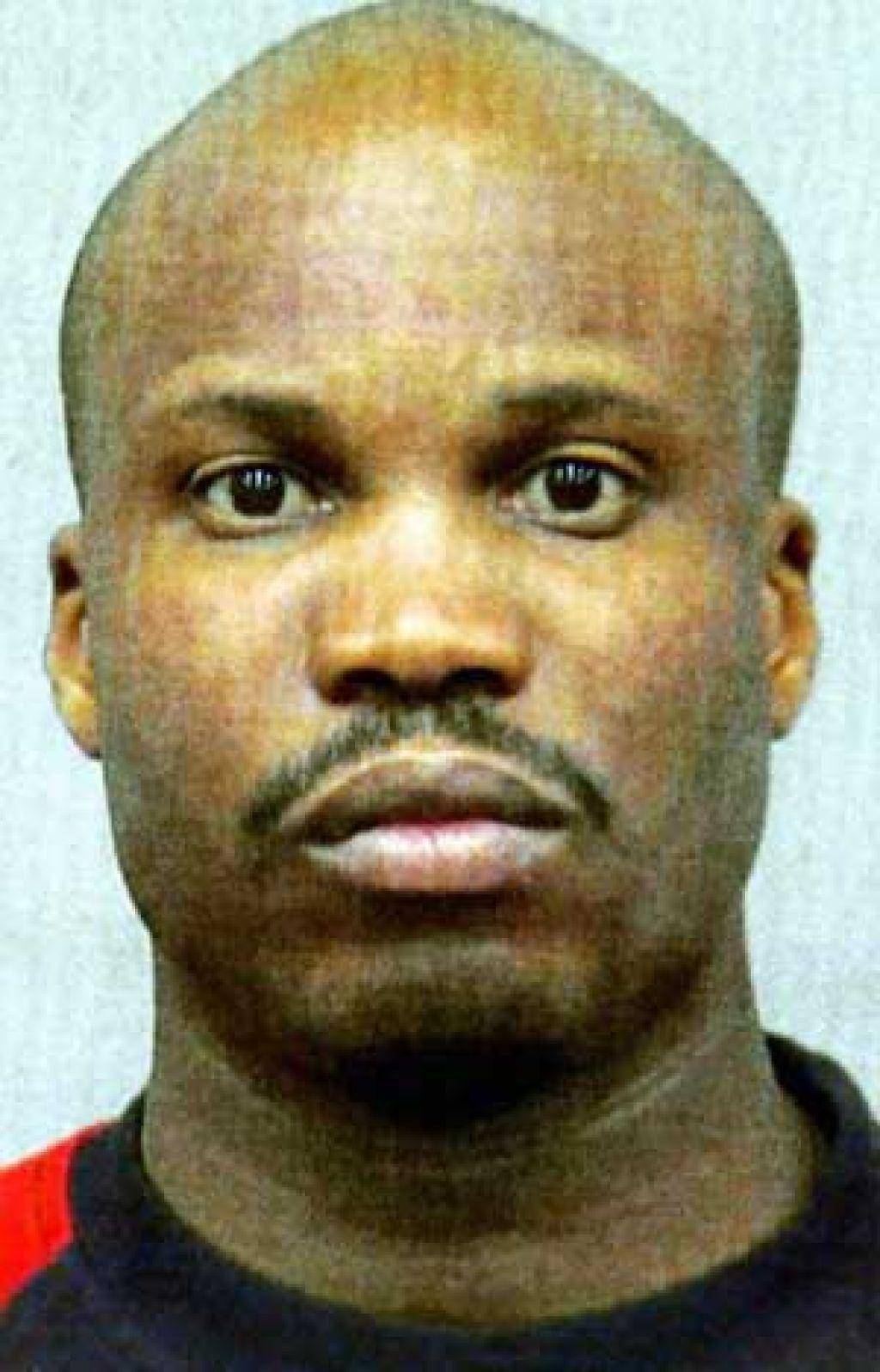
Several people associated with the victims were questioned, including companions, boyfriends and people who provided transportation. Researchers have also identified individuals they believe deserve examination, but no publicly named person has been proven to be the Lawton Serial Killer. No arrest or conviction has resolved the central series.
The killer’s apparent access to the women without visible signs of a struggle remains one of the strongest clues. The victims may have voluntarily entered a vehicle or motel room with someone they recognized. Intoxication could then have impaired their ability to resist. The offender may also have selected water because it could destroy evidence, delay discovery and make an overdose or accidental death seem more plausible.
An Unresolved Series
The recognized Lawton killings appeared to stop after Pamela Woodring was found in June 2003, although Tanja Hook disappeared shortly afterward and other possible victims were discovered in later years. The end of a series does not necessarily mean that the offender died or was imprisoned. A killer may move, change methods, experience changes in health or family life, or stop because media attention makes continued offending too risky.
The Lawton Serial Killer remains unidentified. The available evidence does not conclusively prove that one person killed all five principal victims, yet the repeated circumstances are difficult to dismiss. Jane Chafton, Cassandra Ramsey, Mandy Raite, Janice Buono and Pamela Woodring were all connected to the same community and were all left unclothed in or near water between 1999 and 2003. Their cases remain a troubling example of how offenders may exploit people whose disappearances they believe will be overlooked.
Behind the descriptions of addiction and prostitution were mothers, daughters, sisters and friends. Their personal difficulties did not make their deaths less important or excuse the person who abandoned them. Until the offender is identified—or investigators can establish that the deaths were unrelated—the mystery of the Lawton Serial Killer remains one of southwestern Oklahoma’s most disturbing unresolved cases.