The Gulf Killer: The Unsolved Tampa Bay and Pasco County Murders
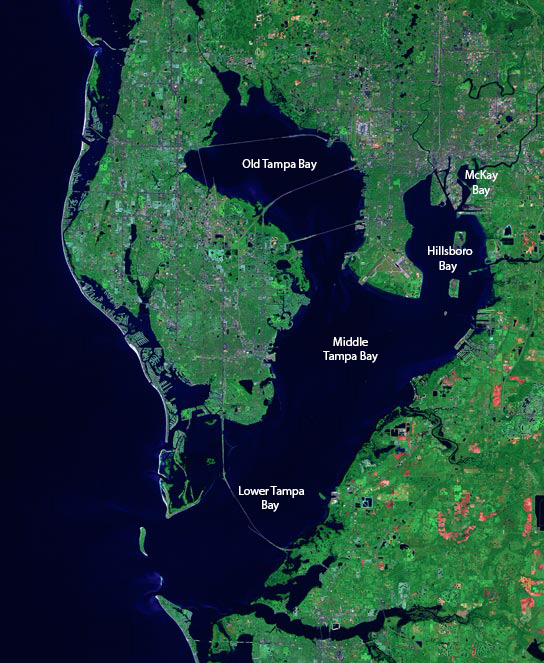
The name "Gulf Killer" refers not to a positively identified murderer, but to a group of killings investigated in and around the Tampa Bay and Pasco County areas of Florida during the 1970s. The crimes have also been called the Red Light Murders and the Dale Mabry Strip Murders. Sixteen deaths occurring between 1971 and the end of 1978 have at various times been discussed as part of the larger case, although investigators never proved that all of them were committed by one person. Several victims were women who worked in or frequented bars, adult-entertainment businesses, or the sex trade around Tampa's Dale Mabry Strip. Other victims had no obvious connection to that environment.
The uncertainty surrounding the case is important. Although newspapers and investigators noticed similarities among a number of the killings, the evidence never established the existence of a single "Gulf Killer." At least two murders eventually resulted in convictions of different men, while convicted serial killer Gerald Stano later confessed to several other deaths associated with the investigation. The reliability of some of Stano's confessions has been questioned. Consequently, the Gulf Killer is best understood as the name attached to an unresolved series of possibly connected homicides rather than a conclusively identified individual serial killer.
The Early Murders, 1971-1976
The earliest case usually included in the series was the disappearance and killing of Beth Neilson in October 1971. Neilson disappeared from New Port Richey. Investigators found evidence of violence at her residence, including blood inside the house and part of her dentures outside. Her burned remains were discovered the following day in a shallow grave far to the north in Columbia County, close to Florida's border with Georgia.
Two years later, Wilma Ida Woods was found strangled in Pasco County. The next several years brought additional deaths involving dramatically different methods, including shootings and carbon-monoxide poisoning. This lack of a consistent method was one reason investigators could not confidently say that every case belonged to the same offender.
By 1975 and 1976, however, several women had been found dead in isolated locations around Pasco and Hillsborough counties. Diana Lynn Valleck was discovered in an orange-grove area in Pasco County after being shot repeatedly. Enid Marie Branch was found beside a deserted road in Hillsborough County after suffering multiple gunshot wounds. Both women would later be among the victims whom Gerald Stano claimed to have killed, although his claims did not conclusively solve the cases.
The 1977 Concentration of Killings
The most alarming period came in 1977. During that year, numerous young women were murdered in the Tampa Bay region within a relatively short period. Several had connections to the Dale Mabry Strip. Victims were found in fields, wooded areas, orange groves, beside highways, and near bridges. Some had been strangled, while others had been shot. Investigators also observed that purses were missing from several victims associated with the sex trade.
The apparent pattern led law-enforcement agencies from several jurisdictions to cooperate. In October 1977, a special investigative group involving officers from three counties was organized to examine possible connections. Detectives interviewed women who worked in bars, strip clubs, and the sex trade and attempted to reconstruct the victims' movements. Investigators nevertheless struggled with the possibility that similar-looking crimes could have been committed by several unrelated offenders.
Victims Associated With the Gulf Killer Investigation
- Beth Neilson, 55 — Death recorded as October 15, 1971. New Port Richey, Florida, with her remains discovered October 16 in Columbia County near the Georgia border. Evidence indicated that she had been attacked at her home before her body was transported and burned.
- Wilma Ida Woods, 49 — Death recorded as December 28, 1973; her body was discovered December 29. She was found behind a sand dune in Pasco County, approximately 100 feet from a highway. She had been strangled.
- John Urbain Vallandry, 20 — July 10, 1974. His body was found beside State Road 581 in Pasco County with a fatal gunshot wound to the head. A vehicle he had been using was later located abandoned in Madeira Beach. Investigators considered the possibility that his death was connected to drug activity rather than the later Strip murders.
- Betsy Lynn Loden, 22 — January 14, 1975. Holiday Garden Estates in New Port Richey. She was discovered bound in her garage beside her Toyota. Investigators concluded that carbon-monoxide exposure caused her death and believed she had deliberately been positioned near the vehicle's exhaust.
- Diana Lynn Valleck, 18 — Death recorded as May 19, 1975. She was discovered in an orange-grove area near Wesley Chapel in Pasco County. Valleck had suffered numerous gunshot wounds to the head. Gerald Stano later claimed responsibility for her murder, but questions remained about the reliability of his confession.
- Enid Marie Branch, 21 — August 21, 1976. Hillsborough County. Branch was discovered beside an isolated dirt road after being shot multiple times. She was a mother and had been studying refrigerator repair at a Tampa trade school while also reportedly working in the sex trade at night.
- Mary Jane Burke, 19 — April 18, 1977. Tampa area near the Dale Mabry Strip. Burke, who lived in St. Petersburg, was found strangled in an open field. She was known to hitchhike and to visit local bars.
- Jo Ann Parnell, 41 — Exact date of death is not consistently reported; her body was discovered around July 17-18, 1977, beside a highway in Pasco County. She had been beaten and strangled. Gene Arthur Wirtjes was later convicted of murdering Parnell, establishing that this particular killing was not the work of an unknown Gulf Killer.
- Cherylstein Orelia Cherry, 16 — August 21, 1977. Ybor City, Tampa. Cherry was found in a wooded area and had been sexually assaulted and strangled. Unlike several women connected with the investigation, she had no established connection to the Dale Mabry Strip's adult-entertainment businesses.
- Patricia Jones, 18 — August 26, 1977. Weedon Island Bridge area, St. Petersburg. Jones was discovered alive after having been shot three times with a .38-caliber firearm. She reportedly told police that a customer had shot her before she died from her injuries. Jones was involved in sex work and had connections to the Dale Mabry Strip.
- Joan Gail Foster, 18 — Death recorded as approximately September 26, 1977; her body was discovered September 28. She was found in an orange grove in the Wesley Chapel area of Pasco County with gunshot wounds. Foster had recently worked as a dancer at a Tampa club. Gerald Stano later confessed to killing her, although the confession did not conclusively resolve the case.
- Molly Kay Newell, 20 — September 29, 1977. Pinellas County near the Gandy Bridge. Newell was found with a fatal gunshot wound after her body had apparently been thrown from the bridge. She had recently been arrested on a prostitution-related charge.
- Emily Ellen Grieve, 39 — October 21, 1977. Wesley Chapel, Pasco County. Grieve, a motel clerk, was found in a field with a gunshot wound to the back of her head. Her body was discovered only several hundred yards from the area where Wilma Woods had previously been found. Stano later claimed responsibility for Grieve's murder as well.
- Judy Faye Bibee, 18 — Late November 1977. Her body was found near the Dade City dump in Pasco County around Thanksgiving. Available records differ by roughly a day on the exact recorded death or discovery date, so a more precise death date should not be treated as certain. Bibee had suffered numerous stab wounds and was believed to have died shortly before being discovered.
- Terry Crew, 26 — Exact date of death is unknown. His remains were discovered December 22, 1977, near Zephyrhills/Wesley Chapel in Pasco County. Crew had been shot in the back of the head. His van had already been found abandoned in an orange grove on November 12, suggesting that he had probably been dead for some time before his remains were located.
- Cindy Carlton Stewart, 20 — December 31, 1978. Pasco County, Florida. Stewart's body was not discovered until January 15, 1979, when a hunter found her near a lovers' lane. Initially unidentified and referred to in press coverage by a nickname based on her tattoos, she was eventually identified as Cindy Carlton Stewart of Columbus, Georgia. Robert M. Hardagree was convicted of her murder and sentenced to life imprisonment in 1980.
Patterns Investigators Examined
The cases created the appearance of a serial pattern largely because of geography, victim background, and the disposal of several bodies in isolated areas. A number of the women were connected with the Dale Mabry Strip, and several were shot in the head. Others were strangled. Several bodies were nude or partially clothed, and investigators reported that purses belonging to some of the women were missing. Police believed that at least some victims had been killed somewhere other than the locations where their bodies were eventually found.
At the same time, important differences complicated the theory. The methods ranged from strangulation and shooting to stabbing and carbon-monoxide poisoning. The victims included women with no connection to sex work and two men whose deaths could have had completely different motives. Investigators therefore considered alternatives, including conflicts involving pimps or organized criminal activity operating around Tampa's adult-entertainment district.
Suspects, Confessions, and Solved Cases
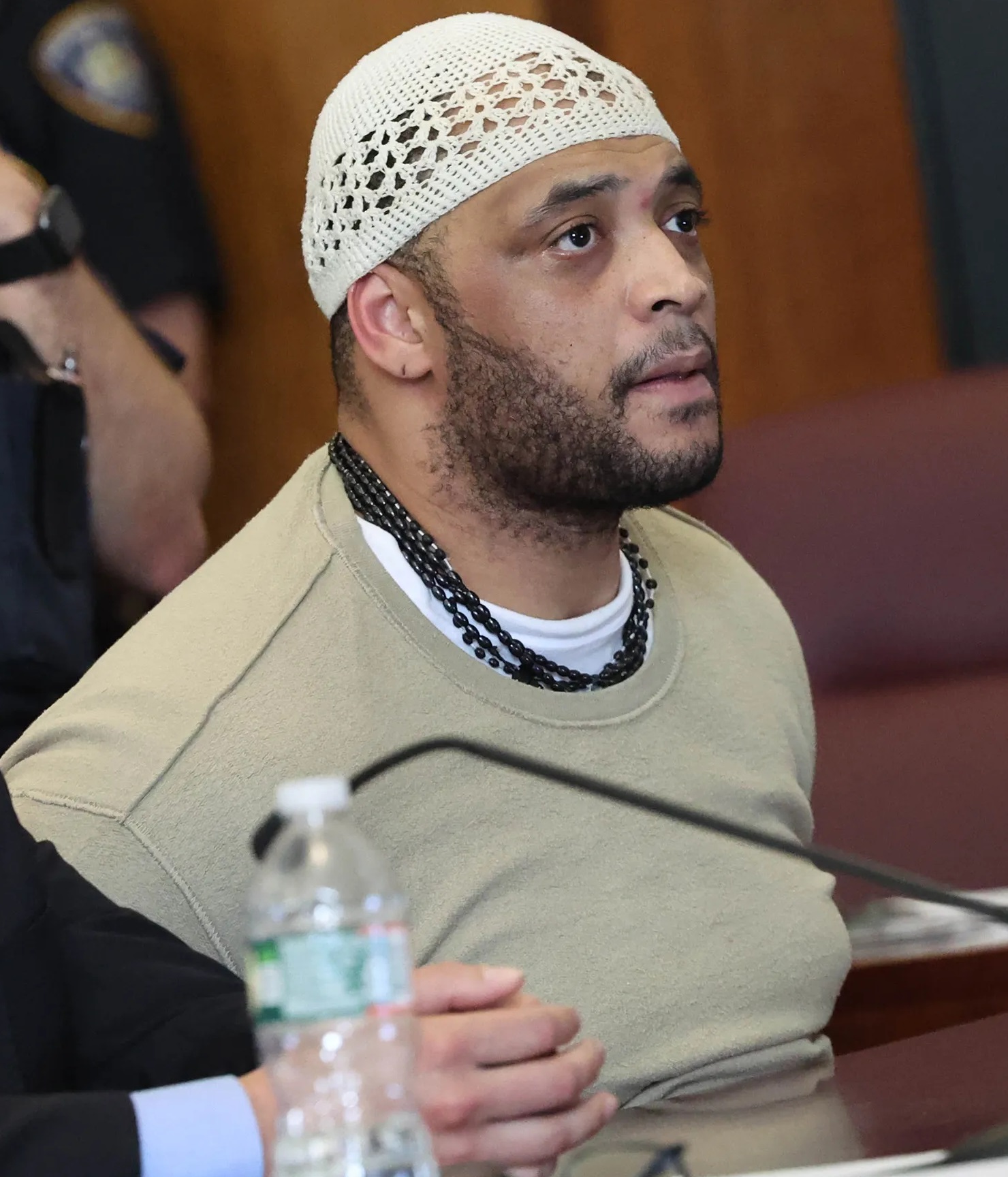
The murder of Jo Ann Parnell was eventually separated from the mystery when Gene Arthur Wirtjes was convicted of killing her. Prosecutors concluded that Parnell had been murdered to prevent her from testifying in connection with another criminal case. Wirtjes received a 25-year prison sentence in January 1979.
Cindy Carlton Stewart's death was also solved independently. Investigators determined that Stewart had been with Robert M. Hardagree and another man on December 31, 1978. Hardagree was arrested in 1980, convicted of Stewart's murder, and sentenced to life imprisonment. His conviction provided further evidence that at least some crimes gathered under the Gulf Killer label had been committed by unrelated people.
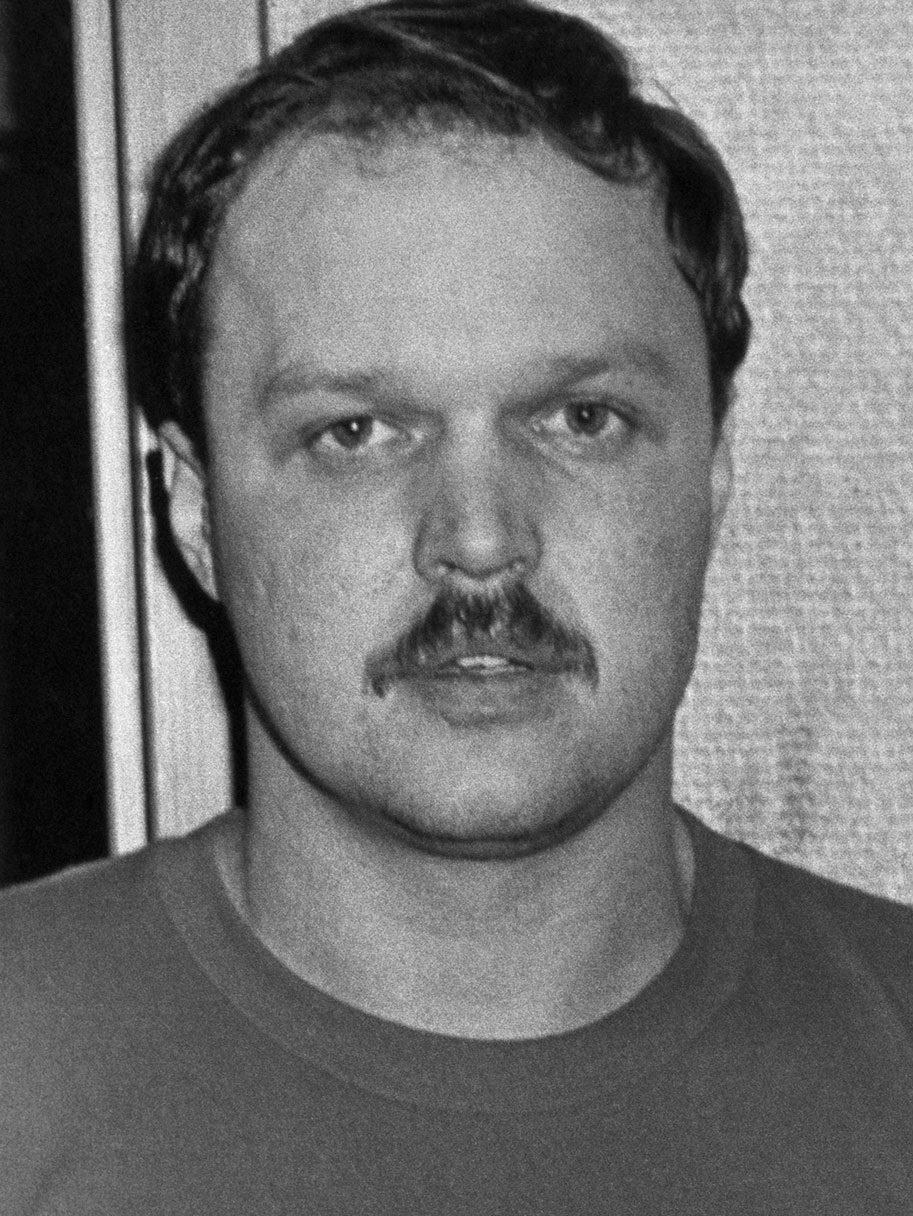
Gerald Eugene Stano, one of Florida's most notorious convicted serial killers, created another complication. After his arrest, Stano confessed to numerous murders, including those of Diana Valleck, Enid Branch, Joan Foster, and Emily Grieve. His statements attracted considerable attention because several of those women had already been associated with the suspected Gulf Killer series. However, Stano made an exceptionally large number of confessions, later disputed some of them, and questions about false or improperly obtained confessions prevented his statements from providing a universally accepted solution to the Tampa-area cases.
Jerry Frank Townsend was also once considered in connection with murders in the region after confessing to numerous crimes. Those admissions were later shown to be unreliable. Townsend, who had significant intellectual disabilities, spent more than two decades imprisoned for murders he did not commit before DNA evidence and additional investigation helped clear him. His case became an important warning about treating confessions as proof without independent evidence.
An Unresolved Chapter in Florida Crime History
The Gulf Killer case remains unusual because its central premise has never been proven. There unquestionably was a disturbing concentration of murders in the Tampa Bay and Pasco County region during the 1970s, particularly in 1977, and several victims shared circumstances that reasonably attracted investigators' attention. What remains uncertain is whether an unidentified serial murderer was responsible for a core group of those deaths or whether investigators were looking at several unrelated killers operating in the same area and period.
The convictions in the Parnell and Stewart cases, the disputed Stano confessions, and the different methods used against the victims all make a single-offender explanation difficult to establish. Decades later, the phrase "Gulf Killer" therefore represents both a possible serial-murder investigation and a collection of individual homicide cases, several of which remain unresolved. Behind that label were sixteen people whose deaths became intertwined in one of west-central Florida's most complicated crime mysteries.