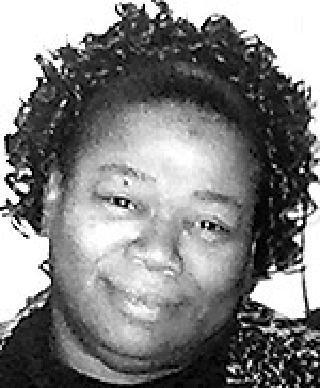
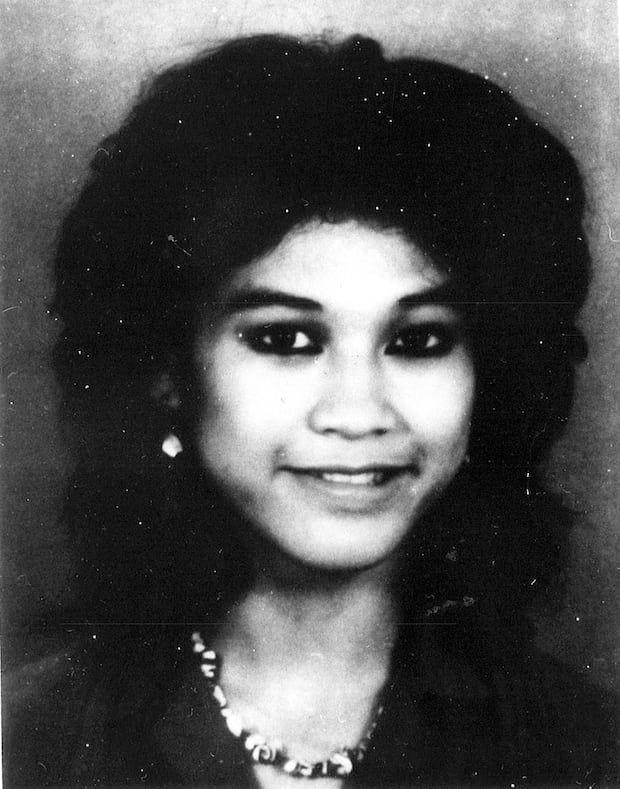
In the late summer of 1977, the Tampa, Florida area was in the grip of a chilling series of murders that seemed to have no end. It was during this time of fear and uncertainty that a young life, full of potential, was brutally cut short. Sixteen-year-old Cherylstein Orelia Cherry, an African American female from Thonotosassa, became another victim in a string of unsolved homicides that would later be attributed to a possible serial killer nicknamed the "Gulf Killer".
On August 21, 1977, her body was discovered in a wooded area of Ybor City. The young woman, who had dropped out of school and was known to frequent local bars, had been strangled and raped. Unlike many of the other victims in this series of crimes, Cherylstein had no known connections to the strip clubs that characterized the Dale Mabry Strip, a focal point for many of the other murders.
The investigation into Cherylstein's death was soon absorbed into the larger, more complex investigation of the "Gulf Killer" slayings, which included the murders of at least fourteen women and two men between 1971 and 1978. A special unit of fifteen law enforcement officers from three counties was assembled in October 1977 to hunt for the person or persons responsible for the wave of terror that had swept across the Tampa Bay area. Investigators interviewed numerous individuals from the city's underbelly, including sex workers, strippers, and barmaids, in an attempt to piece together the puzzle. A pattern began to emerge among many of the victims: several were linked to the Dale Mabry Strip, a mile-long stretch of adult entertainment venues. However, the methods of murder varied, with victims being shot, strangled, or beaten, leading to the theory that more than one killer might be at work. A local criminology professor even suggested the murders could be the result of "warfare among pimps along the strip" rather than the work of a single sexually depraved individual.
Despite the extensive investigation, no one was ever specifically arrested, charged, or convicted for the murder of Cherylstein Orelia Cherry. Her case, like many others attributed to the "Gulf Killer," remains officially unsolved. While several individuals were apprehended and even convicted for some of the other murders in the series, no definitive link was ever established to Cherylstein's case. For instance, Gene Arthur Wirtjes was sentenced in 1979 for the murder of Jo Ann Parnell, and Robert M. Hardagree was convicted in 1980 for the murder of Cindy Carlton Stewart, two other victims in the "Gulf Killer" series. The infamous serial killer Gerald Stano also confessed to four of the murders, though the validity of his confessions has been questioned. The mystery of who was responsible for the death of Cherylstein and many of the other victims of that era has endured, leaving a legacy of fear and unanswered questions. The investigation into the "Gulf Killer" murders was a sprawling and often frustrating endeavor, and for the family and loved ones of Cherylstein Orelia Cherry, it provided no closure, her killer or killers having never been brought to justice.