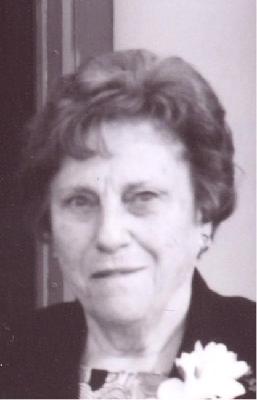
Hermenia Castro, a 55-year-old Hispanic woman, was found dead on September 5, 1983, in Tampa, Florida. Her death was one of several violent crimes that occurred in the area during a span of just over three months. Although initially unsolved, her case was later linked to a broader pattern of serial killings that plagued the region during that time.
Castro’s death was reportedly the result of a brutal beating.
She was one of four victims whose murders were eventually connected to two men: Amos Robinson and his brother, Abron Scott. Both men were already serving life sentences for other crimes when new evidence emerged implicating them in additional homicides. Despite being charged in connection with the killing of 55-year-old Hispanic woman Hermenia Castro, the case never proceeded to trial due to a lack of sufficient evidence at the time.
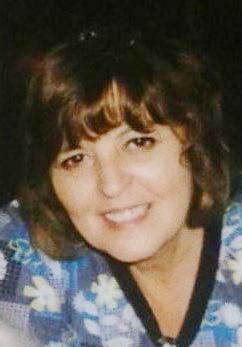
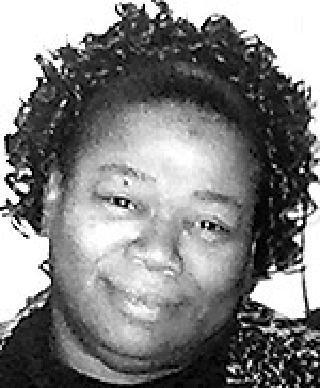
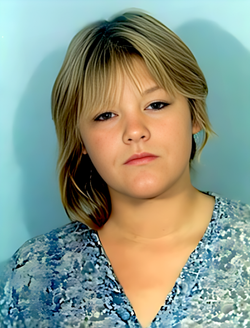
The investigation into Castro’s death remained cold for decades. However, in recent years, renewed efforts by law enforcement and the Hillsborough County State Attorney’s Office led to breakthroughs in several related cases. DNA evidence and other forensic advancements helped link Robinson and Scott to multiple murders, including those of Linda Lansen and Barbara Grams. These developments cast new light on the Castro case, suggesting that she, too, may have been a victim of the same violent spree.
Although no convictions were secured specifically for the death of Hermenia Castro, the identification of Robinson and Scott as suspects has provided some measure of closure. The broader investigation revealed that both men were responsible for a series of violent crimes, including kidnapping, rape, and murder, committed within a short timeframe in 1983. Their actions left a lasting impact on the Tampa community and underscored the importance of persistent investigative work in solving cold cases.