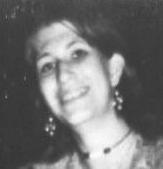
Karen Beth Dinsfriend, a 28-year-old woman, was tragically murdered on October 14, 1984, in Tampa, Florida. Her death was part of a series of killings committed by Bobby Joe Long, a notorious serial killer who terrorized the Tampa Bay area during the 1980s. Dinsfriend was known to be a prostitute and drug addict, and her murder bore the hallmarks of Long’s brutal methods. Her wrists were bound with a red bandana, and her legs and neck were tied with a thick shoelace.
She had been severely beaten about the head and raped before being strangled to death. Her yellow sweatshirt was pulled up to her neck, exposing a bruised and bloodied torso, with signs that she had been dragged. The rest of her clothing was found scattered nearby.
Investigators linked Dinsfriend’s murder to Long through forensic evidence. Red carpet fibers found on her clothing matched those discovered on other victims, and brown Caucasian pubic hairs and semen samples indicated A and H blood substances, further connecting her case to the serial killer. Long’s killing spree lasted for months, claiming the lives of at least ten women before he was apprehended. His victims were often found in gruesome conditions, with many being strangled, bludgeoned, or having their throats slit.
Bobby Joe Long was arrested in 1984 after one of his victims, Lisa McVey, survived his attack and provided crucial information to law enforcement. He was convicted of multiple murders and sentenced to death. After decades on death row, Long was executed by lethal injection on May 23, 2019, in Florida. His execution was witnessed by survivors and family members of his victims, bringing a sense of closure to those affected by his crimes. The case of Karen Beth Dinsfriend remains a tragic chapter in the history of serial killings in the United States, highlighting the brutality of Long’s reign of terror and the importance of forensic science in solving such heinous crimes.