Charles Jackson: The East Bay Slayer
Overview
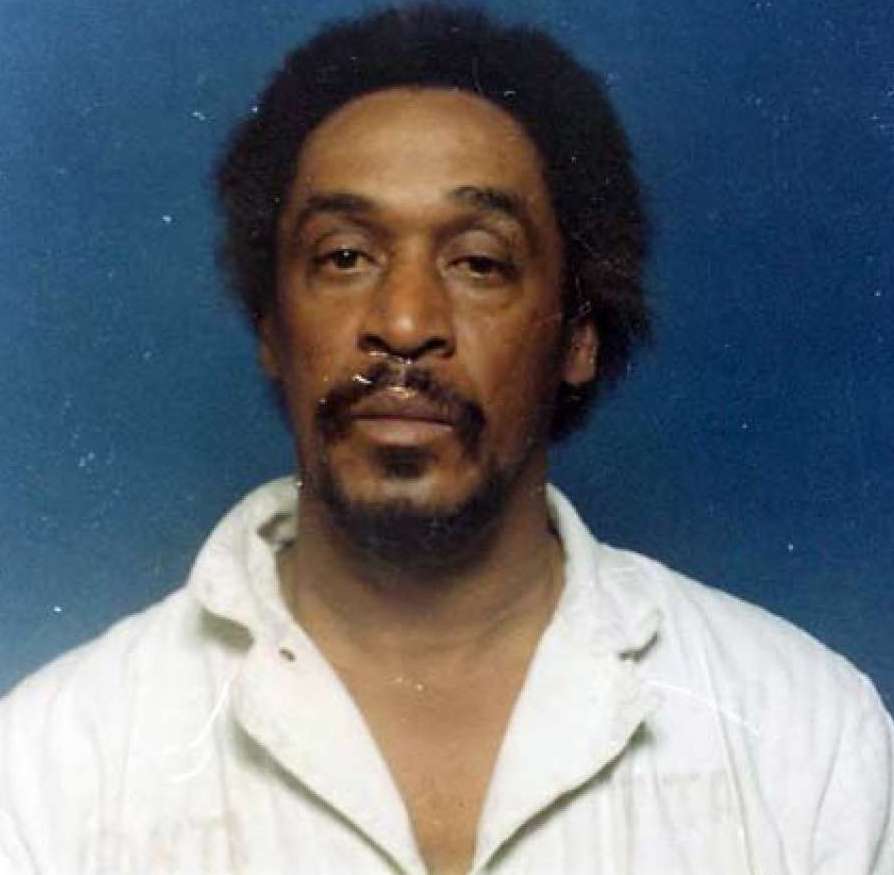
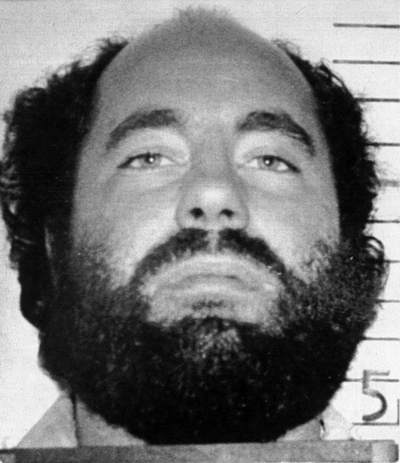
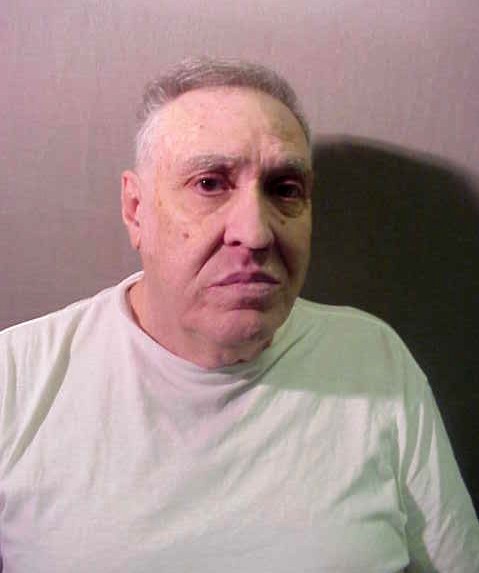
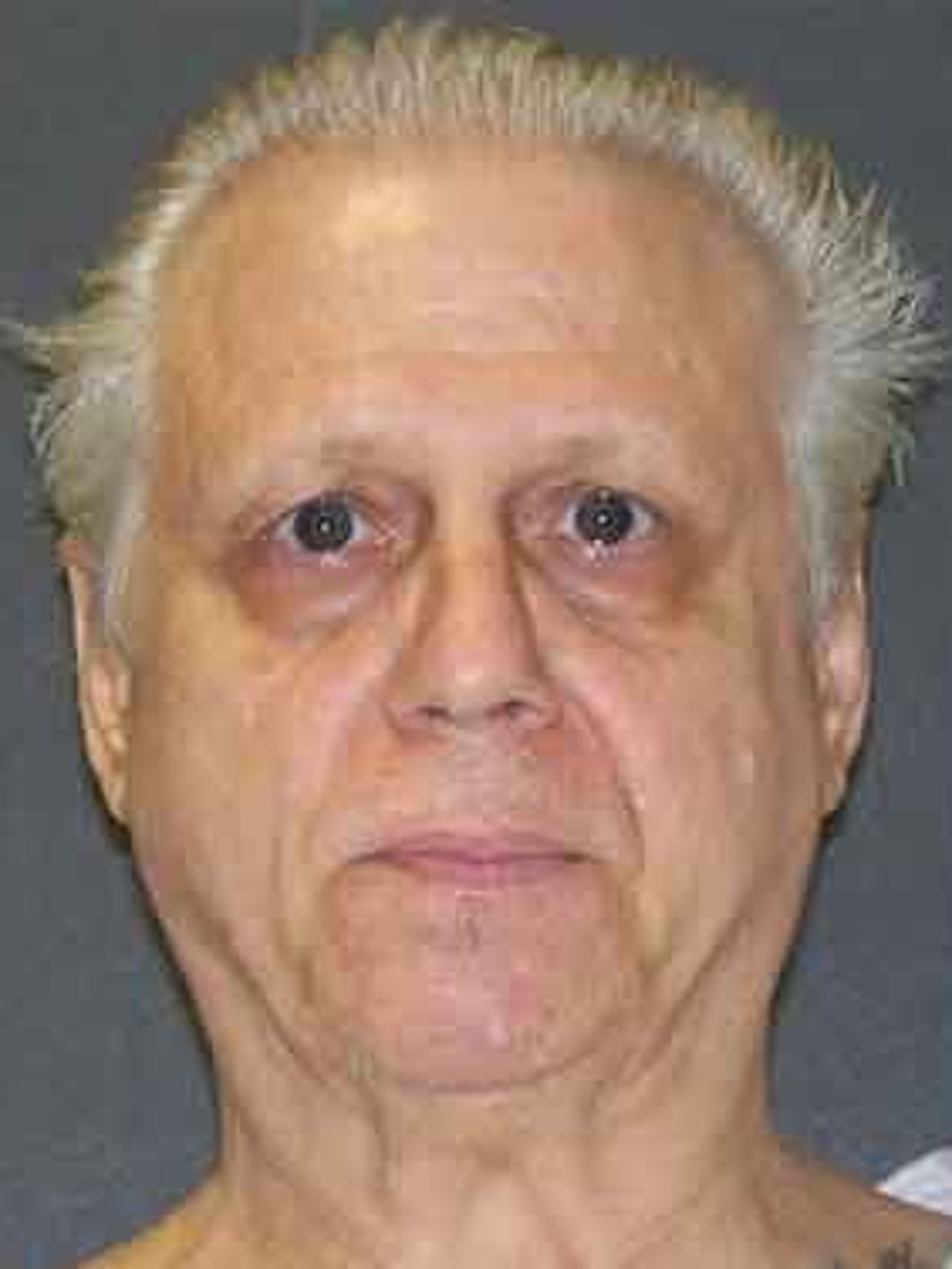
Charles Jackson Jr., often called the “East Bay Slayer,” was an American serial killer and sexual predator whose crimes occurred in the San Francisco Bay Area between 1975 and 1982. He was born on February 12, 1937, in Louisiana and later lived in Oakland, California. Jackson was ultimately connected to the murders of at least eight people: seven women and one man. Most of these connections were established through DNA testing many years after the crimes occurred.
Jackson had an extensive criminal history before the killings for which he became known. Beginning with a theft arrest as a teenager, he spent much of his adult life moving in and out of correctional institutions. His record included burglary, sexual assault, physical assault and offenses involving children. After his release from prison in September 1981, he lived with his mother in Oakland’s Montclair district and worked at temporary jobs, including handyman work.
Pattern of Crimes
Jackson generally attacked people in or near their homes. Several victims were sexually assaulted, and most were stabbed. Some attacks appeared to begin as burglaries or encounters in quiet residential areas. His crimes were spread across Oakland, Albany and Moraga, communities located in the East Bay region of Northern California.
For years, investigators did not know that the killings were connected. The region had experienced crimes committed by several violent offenders during the same period, making it difficult to identify a single suspect. Jackson was convicted of only one murder during his lifetime. Advances in DNA profiling later allowed investigators to compare preserved biological evidence from multiple crime scenes with Jackson’s genetic profile.
Known Victims
- Sonia S. Higginbotham, age 19 — July 29, 1975 — Oakland, California: Higginbotham was killed inside her Oakland residence. She had been sexually assaulted and stabbed. Her murder remained unresolved for decades before DNA evidence connected Jackson to the crime.
- Ann Olivier Hero Johnson, age 27 — August 10, 1975 — Montclair district, Oakland, California: Johnson was attacked in her home in Oakland’s Montclair neighborhood. She was sexually assaulted and fatally stabbed. The case was later linked to Jackson through forensic testing.
- Cynthia Irene Waxman, age 11 — April 22, 1978 — Moraga, California: Cynthia disappeared while playing with a cousin near a field by Buckingham Drive. Her cousin briefly left to obtain money for kitten food and returned to discover that Cynthia was missing. Cynthia’s mother later found her body concealed in nearby vegetation. DNA testing performed many years afterward identified Jackson as her killer.
- Henry Joseph Vila, age 62 — November 22, 1981 — Albany, California: Henry Vila was killed during a nighttime attack inside the Albany Hill home he shared with his wife. He suffered fatal stab wounds. Investigators concluded that the assailant had entered the residence while the couple was preparing for bed.
- Edith Vila, age 59 — November 22, 1981 — Albany, California: Edith Vila was murdered alongside her husband, Henry. She was sexually assaulted and stabbed. Biological evidence recovered from the scene was tested years later and matched Jackson’s DNA, providing one of the earliest major forensic links between him and previously unsolved East Bay murders.
- Betty Jo Grunzweig, age 37 — December 4, 1981 — Trestle Glen neighborhood, Oakland, California: Grunzweig was stabbed in her home and was still alive when her daughter discovered her. She reportedly indicated that she believed the attacker was a rapist before dying while being transported for medical treatment. Friends said that she had previously received unexplained telephone calls and had sometimes felt that she was being watched.
- Gail Leslie Slocum, age 34 — December 8, 1981 — Rockridge district, Oakland, California: Slocum was found stabbed to death in the yard of her Oakland home. Her murder occurred only four days after the attack on Betty Jo Grunzweig. DNA evidence eventually connected Jackson to Slocum’s death.
- Joan Marie Stewart, age 44 — January 5, 1982 — Scout Road, Montclair district, Oakland, California: Stewart was a biology professor at San Francisco City College. At approximately 3:45 p.m., she left her Scout Road home to walk to a nearby shopping area. She did not return. Her husband found her body the following morning among trees and shrubs beside Scout Road. She had been sexually assaulted, strangled and cut across the neck, severing a major artery. Jackson was tried and convicted for this murder.
The Joan Stewart Investigation
The investigation into Joan Stewart’s murder brought Jackson’s known killing period to an end. Witnesses reported seeing a suspicious vehicle near Scout Road around the time Stewart disappeared. At least one person recorded the vehicle’s license plate number, allowing police to trace it to Jackson.
Investigators also recovered physical evidence near Stewart’s body, including a partially eaten piece of Canadian bacon. During the investigation, Jackson’s mother reportedly told officers that she regularly prepared Canadian bacon for him to take when he left for work. This detail, combined with witness accounts, Jackson’s presence in the area and other circumstantial and forensic evidence, strengthened the case against him.
Jackson was arrested on January 8, 1982. Prosecutors presented evidence that Stewart had been forced to perform a sexual act before she was strangled and cut across the neck. Jackson was convicted in 1983 of first-degree murder and forcible oral copulation and was sentenced to life imprisonment.
Appeal and Later Imprisonment
In 1985, a California appellate court overturned Jackson’s first-degree murder conviction because of an error in the instructions given to the jury. The court did not find that Jackson was innocent. His conviction for forcible oral copulation remained in place, and the evidence continued to establish that he had sexually attacked and killed Stewart. Jackson was later convicted again and returned to prison under a life sentence.
He spent the remainder of his life in the California prison system, eventually being held at Folsom State Prison. During his imprisonment, investigators continued reviewing unsolved murders from the East Bay.
DNA Evidence and Additional Murders
During the late 1990s, law-enforcement agencies began applying modern DNA testing to biological evidence preserved from older homicide cases. In 1999, investigators announced that Jackson’s DNA matched evidence from the murders of Henry and Edith Vila. The match showed that the same man convicted of killing Joan Stewart had also been present during the Albany double murder.
Further testing linked Jackson to the deaths of Sonia Higginbotham, Ann Johnson, Cynthia Waxman, Betty Jo Grunzweig and Gail Slocum. These findings revealed that his crimes had lasted for nearly seven years and involved victims of different ages, including an 11-year-old child.
Jackson was not prosecuted for the additional murders because he died before the investigations were completed. Nevertheless, investigators treated the DNA matches as conclusive evidence of his involvement. His total number of victims remains uncertain, and authorities have considered the possibility that he committed other attacks that were never connected to him.
Death and Legacy
Charles Jackson died from a heart attack at Folsom State Prison on February 15, 2002, three days after his sixty-fifth birthday. At the time of his death, the public record still identified him mainly as the man convicted of murdering Joan Stewart. The broader extent of his crimes became known through DNA announcements made after his death.
Jackson’s case demonstrates how preserved crime-scene evidence can solve murders decades after they occur. It also shows the limitations faced by investigators before DNA profiling became widely available. The victims had been attacked in several different East Bay communities, and their cases initially appeared separate. Scientific testing eventually established that one offender was responsible for all eight known deaths.
Although Jackson was known as the East Bay Slayer, that label can obscure the individual lives lost. Sonia Higginbotham, Ann Johnson, Cynthia Waxman, Henry and Edith Vila, Betty Jo Grunzweig, Gail Slocum and Joan Stewart were people with families, homes, professions and communities. The eventual identification of their killer provided answers in cases that had remained unresolved for many years, but it came too late for Jackson to face separate trials for most of the murders attributed to him.