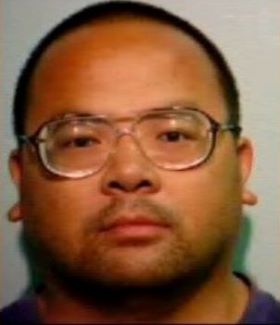
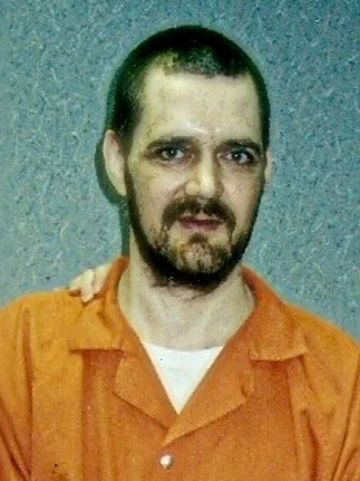
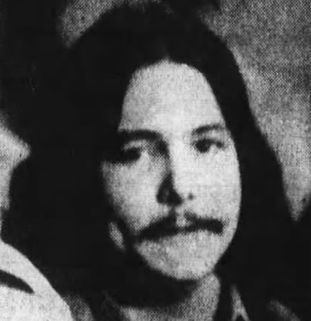
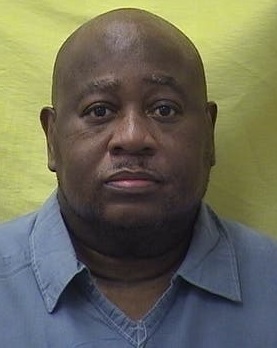
Linwood Earl Briley: Leader of the Briley Brothers Murder Spree
Background
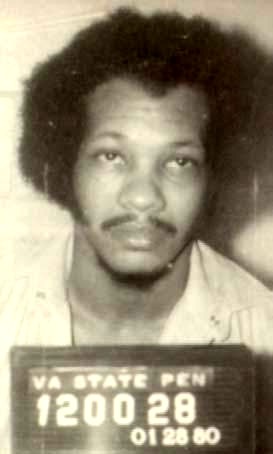
Linwood Earl Briley was born on March 26, 1954, in Richmond, Virginia. He became the dominant figure in a group that included his younger brothers James Dyral “J.B.” Briley Jr. and Anthony Ray Briley, as well as teenage associate Duncan Eric Meekins. During 1979, the group carried out a succession of robberies, assaults, rapes, home invasions and murders in Richmond and neighboring Henrico County. Contemporary prosecutors publicly linked the Briley group to eleven murders during the 1979 period, while later accounts have attributed additional killings to Linwood, including a 1971 homicide he committed as a teenager and the March 1979 shooting of Edric Alvin Clark.
The precise victim count varies because not every homicide associated with the Brileys resulted in a separate murder conviction and because later chronologies have included killings that were not part of the eleven-victim list publicly identified by prosecutors in 1984. What is clear is that Linwood personally committed several of the killings and participated in numerous others. His crimes were characterized less by a single victim type than by opportunism: young and old, men and women, acquaintances and complete strangers were attacked.
The 1971 Killing of Orline Christian
Linwood Briley’s first known killing occurred while he was only sixteen years old. On January 28, 1971, his 57-year-old neighbor, Orline Christian, was outside near her Richmond home when she was struck by a small-caliber rifle bullet fired from the Briley residence. Her death was initially believed to have resulted from natural causes. During preparations for her funeral, however, a small wound was noticed and a closer examination revealed that she had actually been shot.
Investigators reconstructed the bullet’s trajectory and traced the shot to the Briley home. A rifle was recovered, and Linwood admitted firing the weapon. The case did not result in a murder conviction. The shooting was treated as accidental in court, and Briley was convicted of involuntary manslaughter and sent to a juvenile reformatory for approximately a year. The episode was an early indication of the violence that would emerge much more dramatically eight years later.
The Briley Gang Forms
By 1979, Linwood was operating with James, Anthony and Duncan Meekins. The crimes that followed were frequently committed for relatively small amounts of money or property. Victims were sometimes selected simply because the group encountered them at an opportune moment. Prosecutors later argued that robbery was an important motive and that victims were often killed to eliminate witnesses.
One of the first major attacks of the 1979 spree occurred on March 12. Linwood approached the Henrico County home of William and Virginia Bucher under the pretense that he was having automobile trouble and needed to use a telephone. Once inside, Linwood and his accomplices restrained the couple, robbed their home and spread an accelerant through the residence before setting it on fire. William Bucher managed to free himself and Virginia, and both escaped before the house was engulfed. The Buchers survived, making their case a notable exception to the increasingly lethal attacks that followed.
The Murder of Michael McDuffie
On March 21, 1979, 20-year-old Michael Wayne McDuffie, a vending-machine serviceman, became one of the earliest homicide victims associated with the gang’s 1979 crimes. McDuffie was abducted and robbed in Henrico County. Linwood and Anthony Briley were identified as participants, and Linwood was described in later accounts as the man who shot McDuffie. His body was left in or near his automobile.
The Reported Killing of Edric Alvin Clark
Later Briley chronologies also identify 28-year-old Edric Alvin Clark as a victim. Clark was reportedly shot to death at his Richmond residence on March 31, 1979, during a dispute connected to drugs. Linwood was identified as the shooter, with Duncan Meekins associated with the incident. Clark’s case does not appear in every contemporary list of the Briley gang’s victims, so it is best distinguished from the eleven murders prosecutors publicly identified as connected to the gang in later contemporary reporting.
The Attack and Death of Mary Gowen
On April 9, 1979, the group encountered 76-year-old Mary W. Gowen after she had been babysitting. She was followed to her residence in Richmond and attacked. Gowen was beaten, robbed, sexually assaulted and shot in the head. Despite her injuries, she survived long enough to reach relatives and report that she had been raped.
Gowen remained in a coma for approximately ninety days. Her daughter later stated that Mary Gowen died on July 2, 1979, as a result of the injuries inflicted during the April attack. This distinction is important because many summaries list April 9 as her murder date even though that was the date of the assault rather than her actual date of death.
The Murder of Christopher Phillips
Seventeen-year-old Christopher M. Phillips was killed in early July 1979 after being spotted near Linwood Briley’s automobile. The Brileys apparently believed Phillips was attempting to break into the vehicle. He was seized, dragged into a nearby area and assaulted. Linwood killed the teenager by striking or crushing his head with a heavy piece of concrete or a cinder block.
Contemporary retrospective reporting identifies Phillips as having been killed on July 4, 1979, although a later Richmond chronology placed the confrontation on July 3. His death is consistently attributed to Linwood personally and was one of the murders specifically cited by prosecutors when describing the gang’s 1979 victims.
The Abduction and Murder of Johnny Gallaher
On September 14, 1979, the group encountered 62-year-old John Harvey “Johnny G.” Gallaher, a Richmond-area disc jockey and musician. Gallaher was performing at the Log Cabin, a South Richmond establishment, and stepped outside during an intermission. The Briley group had reportedly been searching for someone to rob and targeted Gallaher when he appeared outside.
Gallaher was overpowered and forced into the trunk of his own Lincoln Continental. The group drove him to Mayo Island in the James River, where Linwood shot him in the head with a rifle. Gallaher was robbed and his body was discarded near the river. Fishermen discovered his body two days later, on September 16. When Linwood was arrested, investigators recovered property connected to Gallaher, including a ring that Linwood had been wearing.
Gallaher’s murder became the most consequential case against Linwood. Duncan Meekins eventually cooperated with prosecutors and testified about the crime. Linwood was convicted of capital murder for killing Gallaher during the commission of a robbery and received a death sentence.
The Murder of Mary Wilfong
Mary S. Wilfong, a private-duty nurse in her early sixties, was attacked outside her Richmond-area residence on September 30, 1979. The group had followed her home. Linwood attacked her with a baseball bat, inflicting massive head injuries, while the group subsequently entered and robbed her residence.
Records and retrospective accounts differ slightly on whether Wilfong’s death was recorded on September 30 or after she was taken to a hospital on October 1. September 30, 1979, is the date most frequently associated with the homicide and appears in memorial records, while a contemporary chronology reported that she died at a Richmond hospital on October 1. Linwood was convicted in connection with Wilfong’s murder and received an additional life sentence plus decades of imprisonment.
The Murders of Blanche Page and Charles Garner
Within days of the Wilfong murder, the violence continued only a short distance from the Briley family home. Blanche Ison Page, approximately 75 years old, lived on Fifth Avenue in Richmond and had significant physical limitations. Charles Wilburn Garner, who was about 59 or 60, was a boarder in her home.
Page was beaten to death with a blunt instrument. Garner was also beaten and subjected to additional injuries involving several knives and other household implements. Investigators found evidence that part of Garner’s body or clothing had also been burned. Contemporary reports generally place the murders around October 5, 1979, although some later records and chronologies give October 6 or October 7 for Page. The discrepancies appear to reflect differences between the estimated time of the attack, discovery of the victims and dates entered in later records.
Linwood Briley was prosecuted for both killings. On January 18, 1980, he was convicted in connection with the murders of Page and Garner and received life imprisonment plus additional years. Property taken from the residence helped connect the Brileys to the crime.
The Gang-Linked Killing of Thomas Saunders
Thirty-two-year-old Thomas E. Saunders was another homicide victim linked to members of the Briley group. A later Richmond chronology placed his death on October 14, 1979. Linwood, James Briley and Duncan Meekins reportedly became involved in a confrontation with Saunders, during which Meekins was given a firearm and shot Saunders.
Contemporary retrospective reporting was less precise about the date, describing Saunders as having been shot during a disturbance at a gambling house in September 1979. Because of this discrepancy, Saunders should be identified as a gang-linked victim rather than described as a murder personally carried out by Linwood. His death was nevertheless included in the eleven murders prosecutors publicly associated with the Briley group.
The Barton Avenue Triple Murder
The final and one of the most notorious episodes occurred on October 19, 1979, at 2301 Barton Avenue in Richmond. Harvey Wayne Wilkerson Jr., his common-law wife Judy Diane Barton and Barton’s five-year-old son, Harvey Wayne Barton, were inside the residence when the Briley group entered. Wilkerson knew the brothers from the neighborhood.
The adults were restrained and gagged. Judy Barton, who was approximately eight months pregnant, was sexually assaulted during the invasion. Linwood participated in the sexual assault and the robbery of the residence. According to testimony later presented in court, Linwood left before the actual shootings. Duncan Meekins shot Wilkerson, while James Briley shot Judy Barton and her five-year-old son.
All three victims died from gunshot wounds. Judy Barton was shot four times, while Wilkerson and the child were each shot once. Because Barton was heavily pregnant, some later accounts have added her unborn child when discussing the human toll of the Briley crimes, although official victim lists normally count Barton herself as the homicide victim rather than listing the fetus as a separate murder victim.
Victims Associated with Linwood Briley and the Briley Gang
- Orline Christian, 57 — Died January 28, 1971, Richmond, Virginia. Shot by sixteen-year-old Linwood Briley from the Briley residence. Linwood was convicted of involuntary manslaughter.
- Michael Wayne McDuffie, 20 — Died March 21, 1979, Henrico County/Richmond area, Virginia. Abducted, robbed and shot. Later accounts identify Linwood as the shooter.
- Edric Alvin Clark, 28 — Reportedly died March 31, 1979, Richmond, Virginia. Later chronologies attribute his shooting during a drug-related dispute to Linwood; the case is not included in every contemporary prosecutor victim list.
- Mary W. Gowen, 76 — Attacked April 9, 1979, in Richmond and died July 2, 1979, after approximately ninety days in a coma. She had been beaten, robbed, raped and shot.
- Christopher M. Phillips, 17 — Died in early July 1979 in Richmond, most commonly reported as July 4. Linwood killed him with a heavy piece of concrete or cinder block after Phillips was suspected of tampering with Linwood’s automobile.
- John Harvey “Johnny G.” Gallaher, 62 — Died September 14, 1979, on or near Mayo Island in Richmond. Abducted from outside the Log Cabin nightclub, robbed and shot in the head by Linwood. His body was recovered September 16.
- Mary S. Wilfong — Fatally attacked September 30, 1979, in the Richmond area. Linwood beat her with a baseball bat during a robbery. Records differ slightly between September 30 and October 1 for the formal date of death.
- Blanche Ison Page, approximately 75 — Killed in early October 1979 at her Fifth Avenue home in Richmond. She was beaten to death during a robbery. Contemporary reporting generally places the homicide on October 5, while some later records give a slightly later date.
- Charles Wilburn Garner, approximately 59–60 — Killed during the same early-October 1979 attack at Blanche Page’s Fifth Avenue residence in Richmond. Garner was beaten and stabbed with multiple implements.
- Thomas E. Saunders, 32 — Gang-linked victim reportedly killed October 14, 1979, in Richmond. Duncan Meekins was identified as the gunman during a confrontation involving Linwood and James Briley.
- Harvey Wayne Wilkerson Jr., 27 — Died October 19, 1979, at 2301 Barton Avenue in Richmond. Bound during the home invasion and fatally shot by Duncan Meekins.
- Judy Diane Barton, 23 — Died October 19, 1979, at the Barton Avenue residence in Richmond. Barton, who was approximately eight months pregnant, was raped during the invasion and later shot four times by James Briley.
- Harvey Wayne Barton, 5 — Died October 19, 1979, at the Barton Avenue residence in Richmond. The five-year-old was bound with the adults and fatally shot by James Briley.
Arrests and the Collapse of the Briley Gang
The Barton Avenue murders brought intensified police attention to the Brileys. Linwood, James, Anthony and Duncan Meekins were arrested in October 1979. Investigators had accumulated physical evidence connecting members of the group to several victims, but Meekins ultimately became the prosecution’s crucial witness. In return for avoiding the death penalty, he described numerous crimes and identified the roles played by the Briley brothers.
Linwood accumulated convictions carrying multiple life sentences and additional decades of imprisonment. His most serious conviction was for the capital murder of Johnny Gallaher. On February 21, 1980, a Richmond jury found Linwood guilty of Gallaher’s murder. He was sentenced to death after the jury concluded that the killing had occurred during an armed robbery. The Supreme Court of Virginia later upheld the conviction and death sentence.
Death Row and the Mecklenburg Escape
Linwood and James Briley were eventually housed on Virginia’s death row at Mecklenburg Correctional Center. On May 31, 1984, they participated in one of the most extraordinary death-row escapes in American prison history. Six condemned prisoners overpowered correctional employees, took control of part of the facility and used a fabricated bomb threat to manipulate prison personnel into allowing them to leave the prison in a vehicle.
Linwood and James remained free longer than several of the other escapees. Authorities eventually traced them to the Philadelphia area. The brothers were captured in June 1984, nearly three weeks after the escape, and returned to Virginia. The escape postponed nothing permanently: Linwood’s remaining appeals continued through the courts and ultimately failed.
Execution of Linwood Briley
Linwood Earl Briley was executed in Virginia’s electric chair on October 12, 1984, at the Virginia State Penitentiary in Richmond. He was thirty years old. His death sentence was specifically based on the capital murder of John Harvey Gallaher, although by then he had also been convicted or implicated in numerous other killings, rapes and robberies.
James Briley remained on death row for several more months and was executed on April 18, 1985, for the murders committed during the Barton Avenue home invasion. Anthony Briley avoided a death sentence but received life imprisonment and lengthy additional sentences. Duncan Meekins received life imprisonment and additional years after becoming the prosecution’s principal cooperating witness.
Legacy of the Briley Crimes
The Briley case remains one of Richmond’s most notorious episodes of serial and spree violence. Linwood was central to the crimes: he personally killed several victims, participated in robberies and sexual assaults, and was repeatedly identified as a leader within the group. The randomness of many of the attacks was particularly frightening. A teenager near a car, a nurse arriving home, an elderly babysitter, a disc jockey stepping outside during a break and neighbors inside their own homes could all become targets.
The surviving records also demonstrate why victim totals and individual dates must be treated carefully. Prosecutors publicly described eleven murders connected to the Briley gang during the 1979 investigation, while later chronologies added Linwood’s 1971 killing of Orline Christian and the reported killing of Edric Alvin Clark. Some dates also vary between the date an assault occurred, the date a victim died and the date a body was discovered. Regardless of those differences, the documented record establishes Linwood Earl Briley as a repeat murderer whose violence stretched from his teenage years through the deadly Richmond crime spree of 1979.