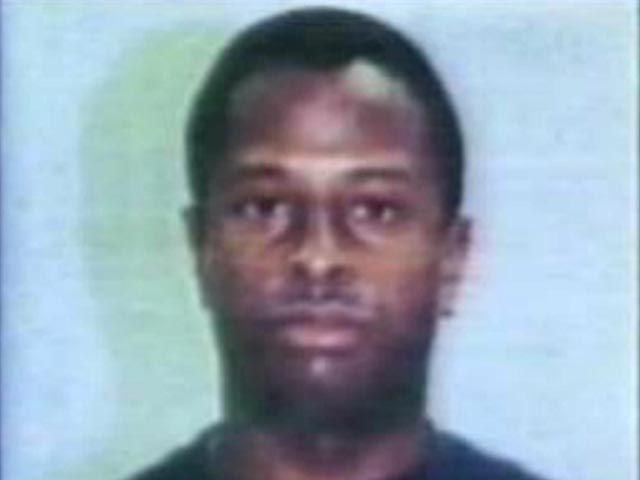
Brandon Scott Hole and the 2021 Indianapolis FedEx Massacre
Overview of the Attack
On the night of April 15, 2021, 19-year-old Brandon Scott Hole carried out a mass shooting at a FedEx Ground facility at 8951 Mirabel Road in Indianapolis, Indiana. The building was located near Indianapolis International Airport and employed thousands of workers, including many members of the city’s Sikh community. Hole, a former employee of the facility, killed eight people and wounded several others before dying from a self-inflicted gunshot wound.
The shooting began shortly after 11:00 p.m., during a busy shift change. Approximately 100 employees were believed to be inside or near the building. Some workers were arriving for their shifts, while others were leaving, taking breaks or waiting in the parking lot. The attack unfolded rapidly, leaving employees with little time to understand what was happening or find shelter.
The Beginning of the Shooting
Hole drove to the FedEx property and entered the parking area carrying two AR-15-style semiautomatic rifles. Investigators later identified the weapons as a Ruger AR-556 and an HM Defense HM15F. Both rifles had been legally purchased by Hole during 2020.
After getting out of his vehicle, Hole began firing at people outside the building. Four victims were killed in the parking lot or near the facility’s exterior. He then moved toward the building and continued shooting inside, killing four additional employees. Witnesses described employees running through work areas, hiding behind equipment and attempting to escape through available exits.
The violence lasted only a few minutes. Hole fired repeatedly before turning one of the weapons on himself. Indianapolis Metropolitan Police Department officers reached the facility shortly afterward and found the gunman dead. Because Hole died at the scene, he was never arrested, charged or brought to trial.
Victims Killed on April 15, 2021
- Matthew R. Alexander, 32 – Killed at the FedEx Ground facility at 8951 Mirabel Road in Indianapolis, Indiana, on April 15, 2021.
- Samaria Blackwell, 19 – Killed at the FedEx Ground facility in Indianapolis on April 15, 2021. She was remembered as an energetic young woman who enjoyed sports and hoped to become a police officer.
- Amarjeet Johal, 66 – Killed at the Indianapolis FedEx facility on April 15, 2021. She was a member of the local Sikh community.
- Jasvinder Kaur, 50 – Killed at the Indianapolis FedEx facility on April 15, 2021. She was a mother and grandmother whose family affectionately called her “Naniji.”
- Amarjit Sekhon, 48 – Killed at the Indianapolis FedEx facility on April 15, 2021. She worked long hours and helped financially support her family.
- Jaswinder Singh, 68 – Killed at the Indianapolis FedEx facility on April 15, 2021. He had recently started working at the facility and had not yet received his first paycheck.
- Karli Smith, 19 – Killed at the FedEx Ground facility in Indianapolis on April 15, 2021. She had recently graduated from high school and was beginning her adult life.
- John Weisert, 74 – Killed at the Indianapolis FedEx facility on April 15, 2021. He was approaching his 50th wedding anniversary with his wife, Carol.
Injured Survivors
Four people suffered gunshot wounds during the attack. Other employees were injured while fleeing, falling or attempting to hide. Several victims were transported to hospitals, including one person initially reported in critical condition. Others received treatment at the scene or sought medical care elsewhere.
Many employees were unable to use their mobile phones while working because workplace rules required some workers to leave their phones outside secure areas. As news of the shooting spread, relatives gathered near the facility and at a nearby hotel, desperately waiting for information. Language barriers also complicated communication for some Sikh families trying to determine whether their relatives were safe.
Brandon Scott Hole’s Employment at FedEx
Hole had previously worked at the same FedEx Ground facility where he committed the murders. He began working there in 2020 but was dismissed in October of that year because of attendance problems. His knowledge of the building and its operations may have helped him move through the property, although investigators found no evidence that he had specifically selected individual victims.
The facility had metal detectors and controlled employee entrances. However, Hole began firing outside and entered through an area accessible from the parking lot, allowing him to attack workers before normal security procedures could stop him.
Warning Signs Before the Massacre
More than a year before the shooting, Hole’s mother contacted police because she feared that her son was suicidal and dangerous. On March 3, 2020, she told officers that Hole had purchased a shotgun and had discussed provoking police officers into killing him. She was concerned that he might point the weapon at officers in an attempt to cause what is commonly described as “suicide by cop.”
Police responded to the family’s home, transported Hole for an emergency mental-health evaluation and confiscated his Mossberg .410-gauge shotgun. During the encounter, an officer reported seeing material related to white-supremacist websites on a computer in Hole’s room. The Federal Bureau of Investigation later interviewed Hole in April 2020. Investigators found no evidence at that time that he was planning a specific crime or participating in a violent extremist organization, and the inquiry was closed.
The confiscated shotgun was never returned to Hole. However, prosecutors did not seek a judicial ruling under Indiana’s red-flag law that would have formally declared him dangerous and prevented him from legally purchasing additional firearms. Hole subsequently bought the two rifles used in the FedEx massacre in July and September 2020.
Motive and Investigative Findings
Investigators examined Hole’s electronic devices, internet activity, personal writings and social-media history. Because four of the eight people killed were Sikh, authorities carefully considered whether racial or religious hatred had motivated the attack. Investigators did not find evidence that Hole deliberately targeted Sikh employees or selected his victims because of their ethnicity or religion.
The Federal Bureau of Investigation ultimately characterized the attack as an act of suicidal murder. Investigators concluded that Hole had experienced suicidal thoughts, homicidal fantasies and a desire to experience killing. Evidence suggested that he associated violence with proving his masculinity and wanted to commit a highly destructive final act before ending his own life.
Hole did not leave a conventional manifesto clearly explaining every part of his decision. His victims appeared to have been selected largely because they were present when he began shooting. There was no known personal dispute between Hole and the eight people he murdered.
The Sikh Community’s Loss
Amarjeet Johal, Jasvinder Kaur, Amarjit Sekhon and Jaswinder Singh were members of Indianapolis’s Sikh community. Their deaths created widespread grief locally and internationally. Many Sikh immigrants worked at the FedEx facility, and some estimates indicated that Sikh employees formed a large portion of the building’s workforce.
Community organizations arranged support for the victims’ relatives, helped families communicate with authorities and organized memorial services. The killings also renewed concerns about the safety of Sikh Americans, even though investigators did not establish that Hole had intentionally targeted the victims because they were Sikh.
Emergency Response and Aftermath
Police officers entered the facility after arriving and began searching for the gunman, additional attackers and wounded victims. They found Hole dead from a self-inflicted gunshot wound. Officers then worked through the large building while emergency medical personnel treated survivors and investigators secured evidence from the parking lot and interior work areas.
The Marion County Coroner’s Office identified the eight victims the following day. Vigils were held in Indianapolis, and flags at federal buildings were lowered to half-staff. FedEx expressed condolences, provided support services to employees and temporarily suspended operations at the facility.
The massacre led to renewed scrutiny of Indiana’s red-flag law. Critics questioned why the warning reported by Hole’s mother, the confiscation of his shotgun and the mental-health intervention had not resulted in a court action that could have restricted his ability to purchase rifles. Officials later debated whether prosecutors, police or the mental-health system had missed an opportunity to prevent the attack.
Legacy of the Case
The April 15, 2021, FedEx shooting became one of the deadliest mass shootings in Indiana history. Eight people from different ages, backgrounds and families were killed during an ordinary night at work. The victims ranged from 19 to 74 years old and included young employees beginning their adult lives, parents supporting their households, grandparents and older workers nearing retirement.
The case remains an example of how documented suicidal behavior, access to firearms and escalating violent fantasies can combine with devastating consequences. It also demonstrated the limitations of interventions that temporarily remove one firearm without establishing longer-term restrictions or ensuring continuing treatment. The names of Matthew Alexander, Samaria Blackwell, Amarjeet Johal, Jasvinder Kaur, Amarjit Sekhon, Jaswinder Singh, Karli Smith and John Weisert remain central to the history of the tragedy.