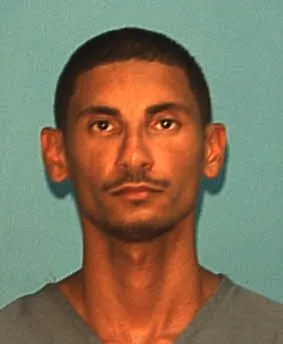
Thomas McIlvane and the 1991 Royal Oak Post Office Shooting
Background
Thomas Paul McIlvane was a 31-year-old former United States Postal Service letter carrier who carried out a deadly workplace shooting at the Royal Oak Post Office in Royal Oak, Michigan. On November 14, 1991, McIlvane entered the facility with a semiautomatic rifle and opened fire on former supervisors and other postal employees. Four workers were killed, several others were wounded or injured, and McIlvane fatally shot himself.
McIlvane had previously served in the United States Marine Corps and had also participated in kickboxing. His military service ended with a general discharge after a series of disciplinary problems. After leaving the military, he obtained employment as a letter carrier in Royal Oak. People who knew him said that he initially appreciated the independence of delivering mail because it allowed him to work outdoors without constant supervision.
His relationship with postal management deteriorated over time. McIlvane became involved in disputes with supervisors and was disciplined for incidents involving his conduct toward managers and members of the public. On July 31, 1990, the Postal Service dismissed him for insubordination after he telephoned a supervisor and used abusive language.
Threats and Failed Attempts to Regain His Job
McIlvane strongly contested his dismissal. He filed a grievance through his union and sought reinstatement through the Postal Service arbitration process. During the months following his termination, he allegedly made repeated threats against supervisors and others associated with his firing.
One former supervisor attempted to have McIlvane prosecuted after reporting that McIlvane had threatened him. McIlvane was tried on the accusation but was acquitted by a jury in early 1991. Nevertheless, his threats became widely known among Royal Oak postal employees. His permit to carry a concealed firearm was revoked, and some workers reportedly discussed escape routes in case he returned to the building.
McIlvane’s arbitration hearing was conducted in October 1991. During the proceedings, he reportedly warned a union official that if he did not receive his job back, he would make the deadly 1986 Edmond, Oklahoma, post office shooting look insignificant by comparison. Despite the seriousness of the alleged statement, no permanent security detail was assigned to the Royal Oak facility.
On November 13, 1991, McIlvane learned that the arbitrator had ruled against him and that he would not be reinstated. He reportedly left a threatening telephone message for one of the supervisors involved in the dispute. Postal employees and union officials requested additional protection, but the shooting occurred before meaningful security measures were put in place.
The Royal Oak Post Office Attack
At approximately 8:45 a.m. on Thursday, November 14, 1991, McIlvane arrived at the Royal Oak Post Office at 200 West Second Street. He entered through an open loading-dock door at the rear of the building. He was armed with a .22-caliber Ruger 10/22 semiautomatic carbine that had been altered by shortening or removing part of its stock.
McIlvane moved through the workplace and began firing at employees. The attack created panic throughout the building as workers ran for exits, hid beneath desks, or attempted to escape through windows. Some employees had previously prepared themselves for the possibility that McIlvane might return, but the speed of the shooting left little time to react.
Four postal employees were fatally shot. Several others suffered gunshot wounds, while additional workers were injured as they fled or sought cover. McIlvane then shot himself in the head. He remained alive for several hours and died from the wound on November 15, 1991.
People Killed
- Mary Ellen Benincasa, 32 — An injury compensation specialist from Clinton Township, Michigan. She was shot in the shoulder and chest inside the Royal Oak Post Office on November 14, 1991.
- Christopher Carlisle, 33 — The manager of branch operations and a resident of Rochester Hills, Michigan. He was shot in the head at the Royal Oak Post Office on November 14, 1991.
- Keith Ciszewski, 37 — A labor relations assistant from Livonia, Michigan. He died from gunshot wounds inflicted during the November 14, 1991, attack.
- Rose Marie Proos, 33 — A postal supervisor from Sterling Heights, Michigan. She was fatally shot in the chest at the Royal Oak Post Office on November 14, 1991.
People Wounded or Injured
- Allen Adams, 47 — A postal employee from Oceola Township who was temporarily assigned to Royal Oak. He was shot near the bridge of his nose.
- Clark French, 36 — A letter carrier from Sterling Heights. He suffered serious gunshot wounds involving his chest and internal organs.
- Joal White, 45 — A postal supervisor from Warren, Michigan. He was shot in the face.
- Sue Johnson, 37 — A postal employee from Berkley, Michigan. She was shot in the pelvis.
- Gwendolyn Thornton, 36 — An assistant postal supervisor from Troy, Michigan. She fractured her heel while escaping through a second-floor window.
- Vivian Dove, 44 — A personnel clerk from Warren. She injured her back while diving beneath a desk for protection.
- James West, 55 — A postal employee from Berkley. He suffered cuts to his hand during the attack.
The Death of Thomas McIlvane
After shooting the employees, McIlvane turned the rifle on himself and fired into his head. Emergency personnel transported him for medical treatment, but his injury was fatal. Thomas McIlvane died on November 15, 1991, one day after the attack.
The final death toll was five people when McIlvane was included. Four employees were murdered, four people were directly wounded by gunfire, and three others suffered injuries while attempting to escape or protect themselves.
Investigation of the Postal Service
The Royal Oak shooting led to intense scrutiny of the Postal Service’s handling of threats, workplace grievances, and employee safety. Investigators examined whether postal officials had failed to act despite receiving numerous warnings that McIlvane might become violent.
A congressional investigation involved more than 100 interviews and resulted in a report released in June 1992. The inquiry found that warning signs had been communicated to managers and postal authorities before the shooting. McIlvane had threatened supervisors, referred to an earlier postal massacre, and lost his gun permit because of concerns about his behavior.
The investigation also examined the management culture at the Royal Oak Post Office. Employees described an atmosphere of hostility, intimidation, and constant conflict between workers and supervisors. Congressional officials concluded that the Postal Service had failed to adequately respond to the dangerous situation developing around McIlvane and his dismissal.
Changes Following the Shooting
After the attack, the Postal Service reorganized management at the Royal Oak facility. Employees later reported that conditions improved and that many of the daily confrontations that had previously characterized the workplace diminished.
The shooting also became part of a broader national debate about workplace violence within the Postal Service. Several deadly attacks involving current or former postal employees had occurred during the preceding years, including the 1986 Edmond Post Office massacre in Oklahoma. These incidents increased demands for better threat assessment, employee assistance programs, security procedures, and methods of resolving workplace disputes before they escalated.
Legacy
The Royal Oak Post Office shooting remains one of the most notorious workplace killings in Michigan history. It demonstrated the potentially devastating consequences of ignored threats and inadequate communication between employers, law-enforcement agencies, union representatives, and security officials.
The victims were ordinary employees beginning a normal workday when a former coworker entered the building seeking retaliation. Mary Ellen Benincasa, Christopher Carlisle, Keith Ciszewski, and Rose Marie Proos lost their lives, while numerous survivors endured serious physical injuries and lasting emotional trauma.
Thomas McIlvane’s actions on November 14, 1991, were the culmination of a prolonged employment dispute marked by anger, threats, and repeated warning signs. The subsequent investigations established that the violence was not entirely unforeseeable and that opportunities to provide stronger security or intervention had been missed.