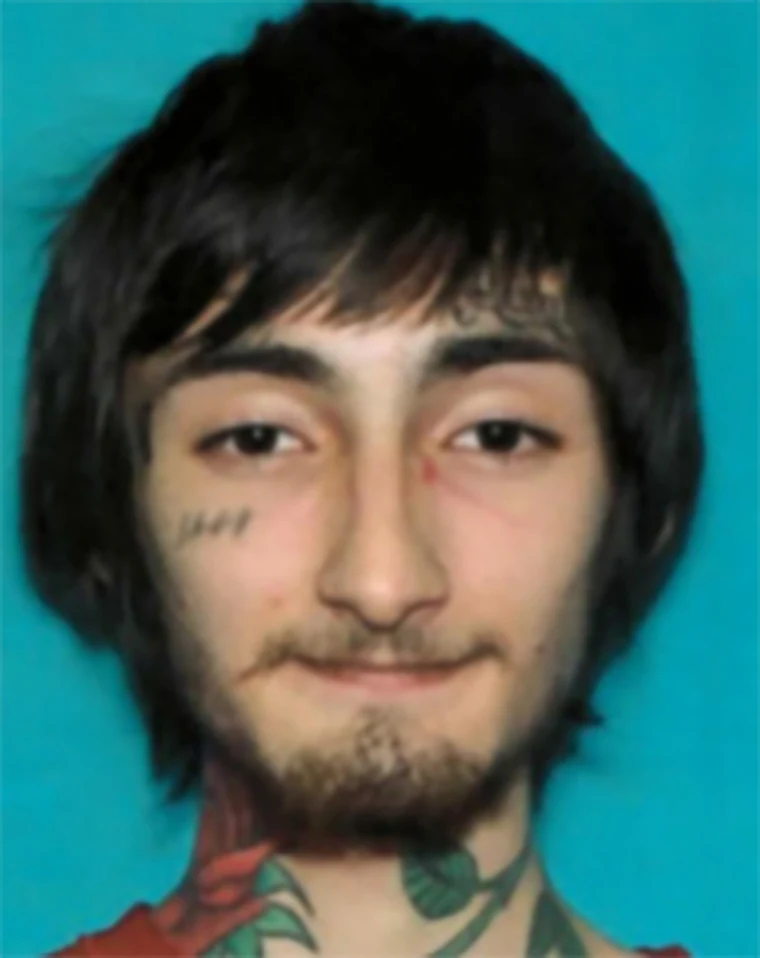
Michael Charles Hayes and the 1988 Old Salisbury Road Shooting
Background
Michael Charles Hayes was born on January 13, 1964, in Winston-Salem, North Carolina. He was 24 years old when he carried out a deadly roadside shooting spree on July 17, 1988. The attack occurred along Old Salisbury Road in southern Forsyth County, close to the Davidson County line.
Hayes had reportedly begun using drugs when he was approximately 13 years old. As he grew older, he moved between jobs and displayed increasingly unstable behavior. By 1988, he was working at Edwards' Moped Shop, a business operated by his family on Old Salisbury Road. Reports indicated that Hayes had taken money from the business and had become distressed after his parents threatened to sell it and withdraw their financial support.
In the weeks preceding the shooting, relatives and other people who encountered Hayes became concerned about his mental condition. He reportedly made bizarre statements, behaved suspiciously and appeared to be losing contact with reality. Despite these warning signs, he remained outside a secure psychiatric facility on the night of the attack.
The Shooting on Old Salisbury Road
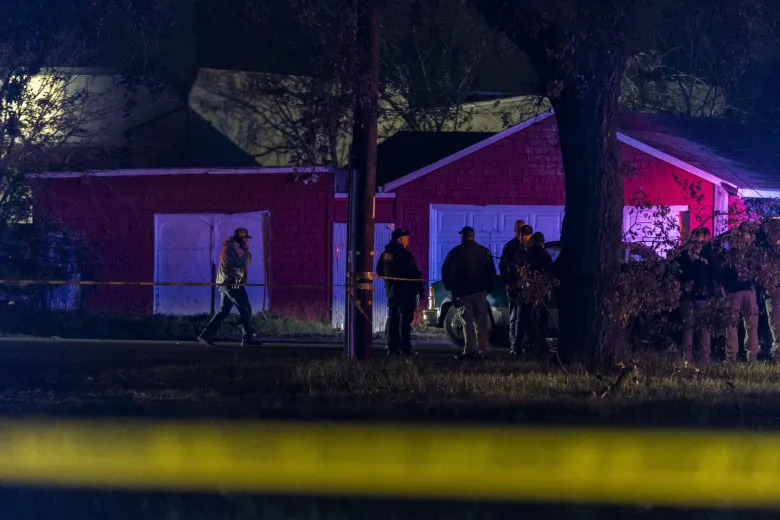
At approximately 11:00 p.m. on Sunday, July 17, 1988, Hayes armed himself with a .22-caliber semiautomatic rifle and walked into Old Salisbury Road near the moped shop. The road was dark, and the people approaching the area had little warning that an armed man was standing near or within the roadway.
Hayes began stopping or approaching passing vehicles and firing at their occupants. His victims were motorists and passengers who happened to travel along the road during the attack. They had no known personal dispute with Hayes and were apparently selected at random.
The first emergency calls were sent to different dispatch centers because the shooting occurred near the boundary separating Forsyth and Davidson counties. The location created confusion concerning which law enforcement agency had jurisdiction. As officers and deputies responded, additional vehicles continued to approach the scene.
Hayes fired repeatedly at drivers and passengers from close range. Some victims were shot after slowing their vehicles or stopping because they believed a person in the roadway needed assistance. Others were attacked while attempting to pass through the area or escape from the gunfire.
The shooting continued for approximately 30 minutes. By the time law enforcement officers stopped Hayes, he had shot nine people. Four victims were killed and five survived with injuries.
Fatal Victims
- Crystal Susan Cantrell, 16 — Cantrell was shot and killed on July 17, 1988, along Old Salisbury Road near Winston-Salem, North Carolina. She was one of the first motorists or passengers attacked during the shooting spree.
- Thomas Walter Nicholson, 24 — Nicholson, a Winston-Salem resident, was shot and killed on July 17, 1988, on Old Salisbury Road. Contemporary reports identified him as one of the victims who had already been fatally wounded before deputies confronted Hayes.
- Melinda Yvonne Hayes, 21 — Melinda Hayes, a resident of Lexington, North Carolina, was killed on July 17, 1988, near the family moped shop on Old Salisbury Road. Despite sharing the same surname, she was not related to Michael Hayes.
- Ronald Lee Hull, 32 — Hull, also known as Ronnie Hull, was a Winston-Salem resident. He was shot inside his family's Chevrolet Blazer on July 17, 1988. A nine-year-old boy was reportedly in the back seat as Hayes aimed toward the vehicle. Hull was the final person killed before deputies brought the attack to an end.
Surviving Victims
Five additional people were wounded by Hayes but survived. Several suffered serious or critical injuries and were transported to hospitals in the Winston-Salem area. Publicly available accounts do not consistently identify all five surviving victims by name.
The survivors and witnesses described a chaotic scene in which vehicles were stopped along the roadway while gunfire continued in the darkness. Some victims attempted to drive away after being shot, while other motorists tried to avoid the disabled vehicles and people lying near the road.
Law Enforcement Response
Forsyth County sheriff's deputies eventually located Hayes in the roadway with the rifle. According to later reports, Deputy Steven McGuire asked a supervisor for permission to shoot Hayes after several victims had already been attacked. The deputy was allegedly instructed to wait until the supervisor arrived.
The delay became a major source of controversy because Hayes continued firing. Ronald Hull was killed during the final portion of the confrontation. A subsequent review concluded that at least one victim might have survived if Hayes had been stopped earlier, although the precise effect of the delay remained disputed.
When Hayes pointed or raised his weapon again, deputies opened fire. He was struck in the groin, leg and back. Five deputies then tackled and restrained him. Hayes survived his wounds and was transported to North Carolina Baptist Hospital in critical condition.
Investigators recovered the .22-caliber rifle and secured the shooting area. Four murder warrants were served on Hayes while he remained hospitalized. He was later transferred to the hospital unit at North Carolina Central Prison in Raleigh.
Claims About Demons
After the shooting, Hayes claimed that he believed the people traveling on Old Salisbury Road were demons. He described seeing red or sunken eyes and detecting what he believed was a sulfur-like odor. He said he thought he was a member of God's army and had been commanded to destroy evil beings.
These statements became central to the criminal proceedings. Defense psychiatrists maintained that Hayes was suffering from a severe psychotic disorder and could not understand the true nature or wrongfulness of his actions. Prosecutors did not dispute that he had killed and wounded the victims but questioned how his mental condition should affect his criminal responsibility.
Trial and Insanity Verdict
Hayes' trial began in Forsyth County Superior Court on March 27, 1989. The case attracted extensive media attention, and selecting an impartial jury proved difficult. The defense acknowledged that Hayes had fired the shots but argued that he was legally insane when he committed the killings.
On April 14, 1989, the jury found Hayes not guilty by reason of insanity. The verdict did not mean that the jury believed he had not committed the shootings. Instead, it meant that jurors concluded his mental illness prevented him from being held legally responsible under North Carolina's insanity standard.
The decision angered many relatives of the victims and members of the community. Some believed that the phrase "not guilty" minimized the fact that Hayes had deliberately fired at nine people. The case contributed to statewide debates over whether North Carolina should create a verdict of "guilty but insane," which would permit criminal punishment while recognizing severe mental illness.
Psychiatric Confinement
Following the verdict, Hayes was committed to Dorothea Dix Hospital, a state psychiatric institution in Raleigh. He initially received antipsychotic medication, including Haldol. Hospital staff reported that his psychotic symptoms eventually subsided.
Hayes remained under state psychiatric supervision for more than two decades. During that period, victims' relatives repeatedly opposed proposals that would allow him greater freedom. Annual court reviews generated renewed public attention and forced family members to revisit the killings.
In 2007, controversy intensified when the public learned that Hayes had been permitted to work outside the hospital at a Raleigh-area convenience store or gas station. The business later ended his employment after receiving threats directed at both Hayes and the store.
Conditional Release
On September 27, 2007, a judge denied Hayes' request for release despite testimony from psychiatric professionals who believed his condition had stabilized. On May 13, 2010, Judge Steve Balog approved an order establishing a process for conditional release.
Hayes was fully released from state psychiatric custody on March 1, 2012, after approximately 23 years of hospitalization and supervision. His release remained painful and controversial for the families of Crystal Cantrell, Thomas Nicholson, Melinda Hayes and Ronald Hull.
Legacy of the Case
The Old Salisbury Road shooting became one of the most notorious mass killings in North Carolina during the 1980s. The case exposed problems involving emergency communications, overlapping law enforcement jurisdictions and the speed with which officers were authorized to confront an active gunman.
The attack also became an important example in debates surrounding the insanity defense. Hayes unquestionably carried out the shootings, but his delusional condition resulted in a verdict that emphasized psychiatric treatment rather than a conventional prison sentence.
The area surrounding the former moped shop changed substantially in later years. The building was eventually demolished, and commercial and residential development spread through what had once been a comparatively rural section of Old Salisbury Road. Proposals for a permanent memorial near the shooting site were discussed but were not successfully completed.
The lasting focus of the case remains the four people who lost their lives and the five others who were wounded during an unprovoked attack. Crystal Susan Cantrell, Thomas Walter Nicholson, Melinda Yvonne Hayes and Ronald Lee Hull were ordinary travelers whose vehicles brought them into the path of an armed stranger on the night of July 17, 1988.