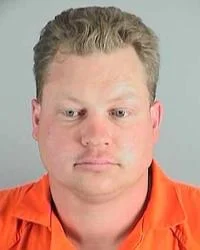
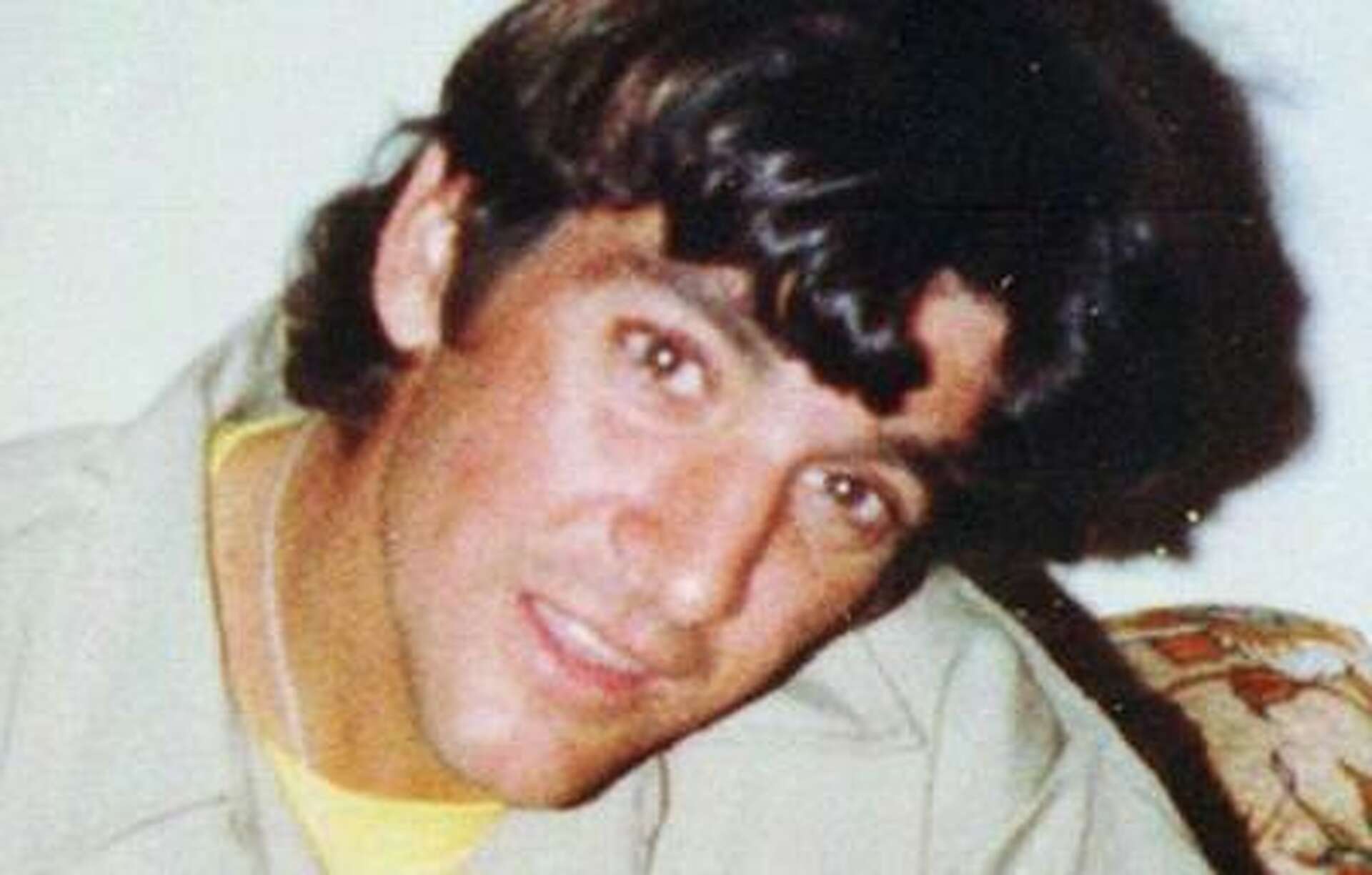
Donald Martin Lambright and the 1969 Pennsylvania Turnpike Shooting
Overview of the Mass Shooting
On April 5, 1969, Donald Martin Lambright carried out a deadly shooting spree along the Pennsylvania Turnpike east of Harrisburg, Pennsylvania. Armed with an M1 carbine and a Marlin Model 336 .30-caliber rifle, Lambright fired at motorists as he traveled along the heavily used highway. He killed his wife and a married couple, critically wounded another motorist who later died, and injured numerous other people before taking his own life.
The violence unfolded over approximately an hour, beginning shortly after 10:00 a.m. and continuing until about 11:30 a.m. What initially appeared to motorists to be a roadside disturbance quickly developed into a moving attack in which vehicles were struck by gunfire and travelers were wounded without warning. Contemporary reports differed slightly on the number of people injured, with totals generally ranging from 15 to 16 survivors.
At the time of the attack, Lambright was traveling with his 31-year-old wife, Annette Blount Lambright, in a blue Pontiac LeMans. The couple eventually stopped near a Pennsylvania Turnpike service area. By the time police reached the final scene, both Donald and Annette Lambright were dead beside their automobile. Investigators concluded that Lambright had killed his wife and then fatally shot himself.
Donald Lambright’s Background
Donald Martin Lambright was born Donald Martin Perry on May 21, 1938. He was the biological son of Lincoln Theodore Monroe Andrew Perry, the actor and comedian better known by his stage name, Stepin Fetchit. Donald reportedly had little contact with his biological father while growing up and did not establish a relationship with him until approximately two years before the shooting.
Following his mother’s remarriage, Donald adopted the surname of his stepfather, Dr. Middleton H. Lambright Jr., a prominent Cleveland physician and thoracic surgeon. Donald grew up primarily in New York City and Cleveland, Ohio. He was described as intelligent and politically aware, but relatives later said he had become increasingly troubled and bitter about racial discrimination in the United States.
Lambright served for four years in the United States Air Force and was discharged in 1961. Some accounts state that his service included overseas assignments associated with Vietnam. After leaving the military, he studied political science at Lincoln University in Oxford, Pennsylvania, a historically Black university.
Before the shooting, Lambright had worked at an Ohio state employment office in Cleveland. He reportedly resigned from that position shortly before traveling to Pennsylvania. Members of his family later said he had become deeply discouraged about race relations and believed peaceful efforts could not correct the injustices he perceived.
The Beginning of the Attack
On the morning of April 5, Donald and Annette Lambright were traveling east on the Pennsylvania Turnpike. The precise events inside their automobile before the first shots were fired were never completely established. At some point, Lambright began using the rifles carried in the Pontiac to fire at other vehicles on the roadway.
The attack was particularly dangerous because it occurred along an active high-speed highway. Bullets struck moving automobiles, forcing drivers to react while surrounded by traffic. Some motorists were wounded as they sat behind the wheel, while others were struck while riding as passengers. Vehicles swerved, stopped abruptly, or attempted to escape as news of a gunman spread along the turnpike.
Lambright did not remain in one location. He reportedly drove, stopped, fired, and then continued traveling. This created a series of crime scenes rather than one confined shooting site. Police were required to respond to reports coming from different areas of the highway while attempting to identify the gunman’s automobile and determine the direction in which he was moving.
The Attack on the Keenan Family
Among the motorists caught in the attack were Ignatius Lloyd Keenan, his wife, Ruby Edna Hesson Keenan, and their young son, Paul D. Keenan. The family was traveling together in a car when Lambright’s gunfire struck them.
Ignatius Keenan, a Philadelphia postal employee, suffered a fatal gunshot wound to the head. Ruby Keenan was also killed during the attack. Contemporary reporting indicated that she was shot while attempting to take control of the automobile after her husband had been struck. Their son Paul, who was approximately 12 years old, was wounded but survived.
The Keenan family’s vehicle became one of the most devastating scenes along the turnpike. In a matter of moments, both parents were killed and their child was left injured. Their deaths demonstrated the indiscriminate nature of the shooting: they had no known connection to Lambright and apparently encountered him only because they happened to be traveling on the same highway.
Other Motorists Shot
Lambright continued firing at passing vehicles and wounded numerous motorists. Among the most seriously injured was Vincent Anthony Saitta, who was struck in the head. Saitta was transported to Harrisburg Hospital in critical condition. He remained hospitalized for more than a month before dying from his injuries on May 9, 1969.
Saitta’s death increased the number of murder victims from three to four. When Lambright’s suicide is included, the shooting ultimately caused five deaths. Because Saitta survived the initial attack for several weeks, some early newspaper accounts described the incident as a triple murder and suicide, while later summaries correctly include him among the fatalities.
Other identified survivors included George A. Bonsell, Ernest R. Stephens, and Kim Stevens. Reports from the period did not always provide complete information about every wounded person, and published totals varied. Most accounts state that approximately 15 or 16 people were injured during the spree.
The Death of Annette Lambright
Annette Blount Lambright was a 31-year-old nurse and a native of St. Louis, Missouri. She had accompanied her husband on the trip and was the only victim known to have had a personal relationship with him. The available accounts do not conclusively establish when Donald shot her or what occurred between them during the attack.
The couple’s blue Pontiac LeMans was eventually found near a turnpike service area east of Harrisburg. Donald and Annette were lying outside the vehicle. Investigators determined that Annette had been killed by her husband and that Donald had then used one of his weapons to kill himself.
Annette’s death added a domestic murder to what otherwise appeared to be a random highway shooting spree. Because neither Donald nor Annette survived, investigators were unable to obtain a direct explanation of the events inside their automobile or determine whether an argument, emotional crisis, or previously formed plan triggered the violence.
Victims and Known Locations
- Annette Blount Lambright, 31 – Killed on April 5, 1969, near a Pennsylvania Turnpike service area east of Harrisburg, Pennsylvania. She was Donald Lambright’s wife and was found dead beside their blue Pontiac LeMans.
- Ignatius Lloyd Keenan, approximately 50 or 51 – Killed on April 5, 1969, while traveling with his family on the Pennsylvania Turnpike east of Harrisburg. He was a Philadelphia postal employee and suffered a fatal gunshot wound to the head.
- Ruby Edna Hesson Keenan, 51 – Killed on April 5, 1969, in the Keenan family’s automobile on the Pennsylvania Turnpike east of Harrisburg. Reports indicated that she was shot while attempting to control the car after her husband was wounded.
- Vincent Anthony Saitta, 36 – Shot in the head on April 5, 1969, on the Pennsylvania Turnpike near Harrisburg. He died at Harrisburg Hospital on May 9, 1969, from injuries suffered during the attack.
- Paul D. Keenan, approximately 12 – Wounded on April 5, 1969, while traveling with his parents on the Pennsylvania Turnpike. He survived the attack in which both of his parents were killed.
- George A. Bonsell – Wounded during the April 5, 1969, shooting spree along the Pennsylvania Turnpike east of Harrisburg. He survived.
- Ernest R. Stephens – Wounded during the April 5, 1969, Pennsylvania Turnpike attack. He survived.
- Kim Stevens – Identified as one of the people wounded during the April 5, 1969, shooting spree. The precise location and nature of the injuries were not widely reported.
Police Response and Final Scene
State police faced an unusually difficult emergency because the shootings occurred at multiple points along a major highway. Initial reports came from wounded motorists, witnesses, toll personnel, and service-area employees. Authorities attempted to stop traffic, locate the Pontiac, assist the injured, and prevent additional travelers from entering the gunman’s path.
By the time officers reached Lambright’s stopped vehicle, the shooting had ended. Donald and Annette Lambright were found dead near the Pontiac, and the rifles used in the attack were recovered. Investigators reconstructed the route of the shooting through damaged vehicles, spent ammunition, witness statements, and the locations where victims had been found.
The case was officially classified as a mass murder followed by suicide. Because the perpetrator was dead, there was no arrest, criminal trial, or opportunity to question him. Investigators therefore had to rely on physical evidence and statements from surviving motorists to determine what had happened.
Possible Motive and Mental Condition
Relatives and acquaintances described Lambright as a man who had become consumed by anger and hopelessness concerning racial inequality. His uncle, psychologist Howard Johnson, characterized him as exceptionally intelligent but emotionally disturbed. Johnson said Lambright had developed an almost paranoid outlook and had become convinced that violence was the only remaining response to racism.
Reports published after the shooting stated that Lambright had previously been evaluated and warned that he might be suicidal or violent. He was reportedly encouraged to obtain psychiatric treatment but did not continue with the recommended care. These accounts were offered as possible explanations for his deteriorating mental state, although no single diagnosis or documented motive fully explained why he attacked strangers on the turnpike.
The assassination of civil rights leader Martin Luther King Jr. had occurred almost exactly one year earlier, on April 4, 1968. Relatives said King’s murder and other racial violence had deeply affected Lambright. Investigators and journalists therefore examined whether the timing of the shooting reflected his despair over racial conditions. No evidence established that any of the motorists he shot had been specifically selected because of their identities.
Questions and Later Controversy
Although authorities ruled that Lambright was responsible for the shootings and then killed himself, members of his family later questioned portions of the official account. His biological father, Stepin Fetchit, reportedly expressed the belief that his son may have been set up. Lambright’s daughter also discussed doubts about the circumstances in a later book concerning her family and her grandfather’s career.
Some later writers connected those suspicions to Lambright’s political views, reported association with Black nationalist ideas, and the federal government’s COINTELPRO activities against political organizations during the 1960s. However, no publicly established evidence has overturned the official finding that Lambright carried out the shootings and died by suicide.
The conspiracy claims remain separate from the physical evidence and eyewitness accounts placing Lambright at the center of the attack. The surviving motorists had been fired upon from or near his vehicle, his weapons were recovered at the final scene, and his wife was found dead beside him. The official conclusion has therefore remained a murder-suicide committed during a highway shooting spree.
Aftermath and Historical Significance
The Pennsylvania Turnpike shooting was one of the most disturbing highway attacks of its era. Its moving nature created fear across a wide area and demonstrated how a single armed person could endanger large numbers of travelers before police could isolate the threat. The attack also left investigators with several separate shooting locations, numerous damaged vehicles, wounded survivors, and families suddenly devastated by random violence.
For the Keenan family, the attack meant the loss of both parents and the wounding of their young son. Annette Lambright was killed by the man with whom she was traveling. Vincent Saitta survived for more than a month before his injuries proved fatal. The other wounded motorists faced physical recovery and the lasting psychological consequences of being attacked without warning during an ordinary drive.
Donald Martin Lambright died on April 5, 1969, at the age of 30, approximately six weeks before his 31st birthday. His death prevented a trial and left many questions about his precise intentions unanswered. The available evidence portrays a deeply troubled man whose anger, despair, and access to powerful firearms culminated in an indiscriminate assault on strangers.
The final death toll was four murder victims: Annette Lambright, Ignatius Keenan, Ruby Keenan, and Vincent Saitta. Donald Lambright’s suicide brought the overall number of fatalities to five. At least 15 other people were reported wounded, making the 1969 Pennsylvania Turnpike shooting one of the deadliest American roadway shooting sprees of its period.