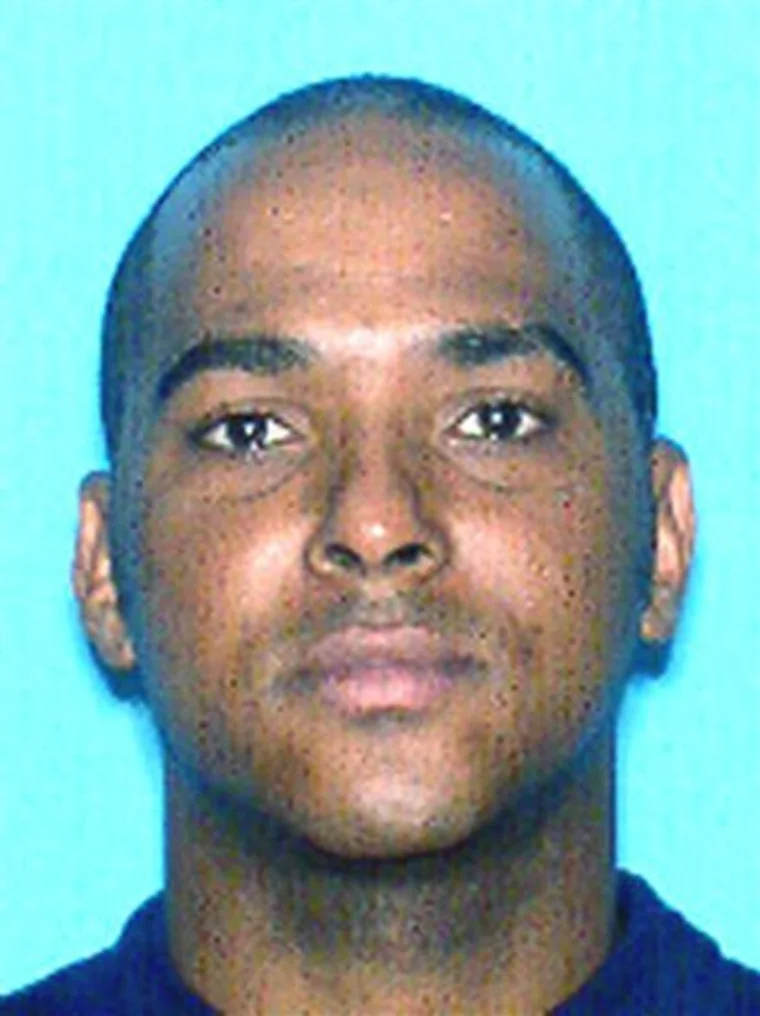
James White and the 2017 Lansingburgh Quadruple Murder
Overview
James White was convicted of murdering two women and two children inside a basement apartment in the Lansingburgh neighborhood of Troy, New York, on December 21, 2017. The victims were 36-year-old Shanta Myers, Myers’ 22-year-old partner Brandi Mells, and Myers’ two children, 11-year-old Jeremiah “JJ” Myers and 5-year-old Shanise Myers. The family was killed only days before Christmas, and their bodies remained inside the residence until they were discovered on December 26, 2017.
White committed the crimes with Justin Mann, a younger associate who later pleaded guilty and testified against him. Investigators determined that the two men traveled from Schenectady to Troy by bus while carrying bicycles. Surveillance recordings captured parts of their journey and later became important evidence connecting them to the apartment at 158 Second Avenue.
The Trip to Lansingburgh
On December 21, 2017, White and Mann met in Schenectady, placed their bicycles on public buses, and traveled toward Troy. After reaching the city, they rode to the Lansingburgh apartment shared by Myers, Mells, and the two children. Mann later testified that the stated purpose of the visit involved a small marijuana debt that Mells allegedly owed to the boyfriend of Mann’s mother. Prosecutors also presented evidence that White wanted to recover a television and video-game controllers he had previously left at the residence.
The property in question was a basement apartment at 158 Second Avenue. According to Mann’s testimony, White instructed him to knock on the door and falsely claim that a bicycle had been stolen. The deception allowed the men to gain entry. What may initially have appeared to the victims as a dispute over property or a minor debt rapidly became a carefully controlled and fatal attack.
The Murders Inside the Apartment
Once inside, the victims were restrained and prevented from calling for help. Evidence presented during the case indicated that socks were placed in the victims’ mouths. White then used a knife to attack the occupants of the apartment. Shanta Myers, Brandi Mells, and 5-year-old Shanise Myers were killed inside the residence.
Jeremiah Myers was not initially present because he had been attending basketball practice. He returned home while the killers were still carrying out or concealing the crimes. Rather than allowing the 11-year-old boy to escape, White killed him as well. Jeremiah’s return transformed an already devastating multiple homicide into the destruction of nearly an entire household.
The victims suffered fatal injuries to their necks. Early accounts of the crime scene stated that the victims had been bound and that their throats had been cut. Officials described the apartment as one of the most disturbing homicide scenes they had encountered. The violence against the two children, especially after Jeremiah arrived home separately, became a central and deeply troubling element of the prosecution’s case.
Confirmed Victims
- Shanta Myers — Age 36. Killed on December 21, 2017, inside her family’s basement apartment at 158 Second Avenue in the Lansingburgh neighborhood of Troy, New York.
- Brandi Mells — Age 22. Myers’ partner. Killed on December 21, 2017, inside the apartment at 158 Second Avenue in Troy, New York.
- Jeremiah “JJ” Myers — Age 11. Shanta Myers’ son. Killed on December 21, 2017, after returning to the apartment from basketball practice.
- Shanise Myers — Age 5. Shanta Myers’ daughter. Killed on December 21, 2017, inside the family’s Lansingburgh apartment.
Discovery of the Victims
The bodies were not discovered immediately. For five days, relatives and acquaintances were unable to reach the family during the Christmas holiday. On December 26, 2017, a property manager entered the apartment after becoming concerned about the lack of contact. The four victims were found inside, and emergency authorities were notified.
The discovery shocked Troy and the surrounding Capital Region. The killing of two young children, their mother, and their mother’s partner drew widespread attention. Police began examining surveillance recordings, transportation routes, physical evidence, and the victims’ recent contacts in an effort to identify who had entered the residence before the murders.
Surveillance and Physical Evidence
Investigators found surveillance footage showing White and Mann traveling on buses and moving through the area with their bicycles. The recordings helped establish their movements before and after the murders. The footage undermined later attempts to distance White from Mann and the Lansingburgh apartment.
White was also found carrying black gloves. Forensic testing revealed DNA belonging to White and two of the victims on the gloves. The DNA evidence became one of the strongest pieces of physical evidence presented at trial. White attempted to explain the findings by claiming that he and Mann had exchanged gloves during the evening, but prosecutors argued that the explanation was created to avoid responsibility for the victims’ blood and DNA being found on an item in White’s possession.
The investigation moved quickly after the bodies were discovered. White and Mann were arrested within days. Both men were charged in connection with all four deaths, along with offenses involving robbery, burglary, and stolen property.
Justin Mann’s Guilty Plea
Justin Mann eventually entered a guilty plea to second-degree murder. As part of his agreement with prosecutors, he promised to testify against White. Mann described the trip from Schenectady to Troy, the plan used to enter the apartment, and White’s actions once they were inside.
Mann testified that White placed socks in the victims’ mouths, obtained a knife, and stabbed the victims in the neck. During White’s later trial, White personally cross-examined Mann. When White asked whether anyone had been standing over the victims with a weapon, Mann directly identified White as that person.
Mann’s cooperation did not prevent him from receiving a severe prison sentence. In January 2022, he was sentenced to 25 years to life in state prison for his role in the murders.
White’s Defense
White maintained that Mann was responsible for the killings. He claimed that he remained outside the apartment and that Mann wore the black gloves during the attack. White argued that the gloves had changed hands, supposedly explaining why DNA from the victims was found on an item White possessed.
The defense created further questions because Jeremiah Myers arrived home after the initial victims had been attacked. Prosecutors questioned why White, had he truly been outside and uninvolved, did nothing to warn the boy or prevent him from entering the apartment. White gave an explanation involving his refusal to interfere in disputes between other people, but jurors rejected his account.
White chose to represent himself during his second trial, although standby counsel remained available. He questioned witnesses, challenged Mann, delivered arguments, and repeatedly insisted he had been falsely accused. Prosecutors countered that the surveillance footage, DNA evidence, Mann’s testimony, and the circumstances surrounding White’s movements established his direct participation.
The First Trial and Mistrial
White’s first trial began in 2020 as the COVID-19 pandemic was disrupting court operations across New York. Jurors deliberated but could not reach a unanimous verdict. The proceeding ended in a mistrial, leaving the charges unresolved and forcing prosecutors to prepare for another trial.
The mistrial delayed the final resolution of a case that had already caused years of pain for the victims’ relatives. White remained accused of all four murders, and prosecutors continued to rely on the forensic evidence, travel recordings, and Mann’s account of the crime.
Conviction on All Charges
White’s second trial began in November 2021. On December 8, 2021, a jury found him guilty on all 16 counts submitted for consideration. The convictions included first-degree murder, second-degree murder, first-degree robbery, burglary, and criminal possession of stolen property.
The first-degree murder convictions exposed White to life imprisonment without the possibility of parole. Jurors determined that his claim of being an uninvolved observer was inconsistent with the physical evidence and the sequence of events. The verdict legally established White as the principal killer in the murders of Myers, Mells, Jeremiah, and Shanise.
Prior Violent Conviction
The jury was not informed during the trial that White had a previous manslaughter conviction. In 2001, he had been convicted in the Bronx in another fatal case involving a knife. The earlier conviction was withheld from jurors so that they would decide the Lansingburgh case only on the evidence connected to the 2017 murders.
At sentencing, however, the judge was permitted to consider White’s criminal history. The court noted the disturbing similarity between the earlier knife-related killing and the four murders for which he had just been convicted.
Sentencing
On January 12, 2022, Rensselaer County Judge Debra Young sentenced James White to life in prison without the possibility of parole. White was 42 years old at the time and was also known by the nickname “Jay Dub.” The sentence ensured that he would never be eligible for release.
The hearing became disorderly as White interrupted the judge, argued with the court, continued denying responsibility, and challenged the judge to impose the harshest possible punishment. Deputies moved closer to restrain and secure him as his behavior became increasingly agitated.
Judge Young stated that White had shown an extraordinary lack of sympathy for the victims and had attempted to construct a story that the jury did not believe. Family impact statements described the lasting devastation caused by the murders and condemned both White and Mann for killing defenseless adults and children.
Aftermath
The murders permanently affected the relatives of all four victims and traumatized the Lansingburgh community. What began as a visit allegedly connected to a minor debt and disputed property ended with four people murdered, including two children who had no meaningful connection to the disagreement described by the defendants.
White’s conviction and life-without-parole sentence concluded the principal prosecution more than four years after the murders. Mann’s guilty plea and sentence separately established his criminal responsibility. Together, the cases documented a planned intrusion, the restraint and killing of the occupants, the murder of a child returning from basketball practice, and an attempted escape that was reconstructed through surveillance recordings and forensic evidence.
Case Summary
James White was convicted of carrying out the December 21, 2017, quadruple murder at 158 Second Avenue in Troy, New York. The victims were Shanta Myers, Brandi Mells, Jeremiah Myers, and Shanise Myers. Their bodies were discovered five days later, on December 26. White and accomplice Justin Mann were identified through surveillance footage, witness testimony, and physical evidence, including gloves containing White’s DNA and DNA from two victims.
White was found guilty of all 16 charges on December 8, 2021, and sentenced on January 12, 2022, to life imprisonment without parole. Mann received a sentence of 25 years to life after pleading guilty and testifying against White. The case remains one of the most brutal multiple homicides in the modern history of Troy and the surrounding Capital Region.