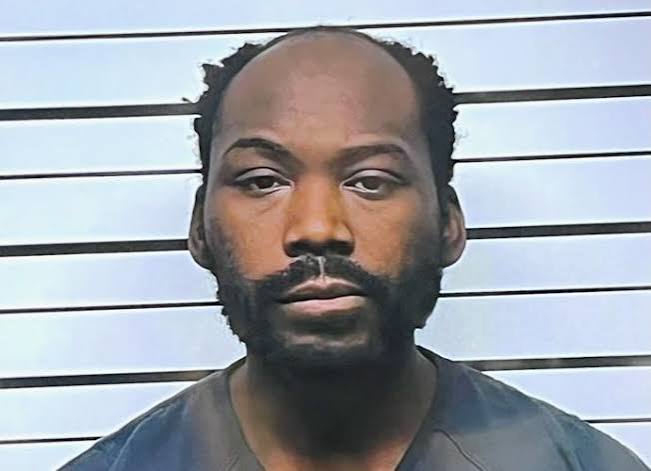
James Holmes and the 2012 Aurora Movie Theater Massacre
Background
James Eagan Holmes was a 24-year-old former neuroscience graduate student when he carried out one of the deadliest mass shootings in Colorado history. During the early morning hours of July 20, 2012, Holmes attacked a crowded movie theater in Aurora, Colorado, killing 12 people and injuring 70 others. The victims had gathered for a midnight premiere of the Batman film
The Dark Knight Rises.
Holmes had been enrolled in a doctoral neuroscience program at the University of Colorado Anschutz Medical Campus. During 2012, his academic performance deteriorated, and he withdrew from the program shortly before the shooting. Evidence later presented in court showed that Holmes had been experiencing serious psychiatric problems and had communicated violent thoughts to a university psychiatrist. However, prosecutors argued that he remained capable of planning, making decisions and understanding that his intended actions were illegal.
Planning the Attack
Holmes spent months acquiring firearms, ammunition, tactical equipment and explosive materials. On May 22, 2012, he purchased a Glock .40-caliber handgun in Aurora. On May 28, he bought a Remington 870 12-gauge shotgun in Denver. On June 7, he purchased a Smith & Wesson M&P15 semiautomatic rifle. He also obtained another Glock handgun, thousands of rounds of ammunition, a 100-round drum magazine, body armor, a ballistic helmet, a gas mask and other tactical equipment.
Before the massacre, Holmes considered several possible methods and locations for killing large numbers of people. A notebook later introduced as evidence contained descriptions, diagrams and discussions of possible attacks. He ultimately selected a movie theater because it would be crowded, enclosed and dark. Prosecutors maintained that these preparations demonstrated calculation and intent rather than a sudden or uncontrolled act.
Holmes also constructed an elaborate system of explosives and incendiary devices inside his apartment at 1690 Paris Street in Aurora. The apartment contained containers of gasoline, explosive chemicals, homemade devices, wires and triggering mechanisms. Investigators believed the setup was intended to kill or injure anyone who entered and possibly divert emergency personnel away from the theater.
The Century 16 Theater Attack
On July 19, 2012, Holmes went to the Century 16 movie theater at 14300 East Alameda Avenue in Aurora. He purchased a ticket for a midnight showing of
The Dark Knight Rises in Theater 9, where approximately 400 people were gathered.
After entering the auditorium, Holmes sat near the front and later left through an emergency exit beside the movie screen. He propped the exit door open and went to his vehicle, which he had parked nearby. He changed into black tactical clothing that included a ballistic helmet, gas mask, load-bearing vest, protective leggings, throat protection, gloves and other equipment.
At approximately 12:38 a.m. on July 20, Holmes returned through the emergency exit. Because of the costumes associated with the movie premiere, some audience members initially believed he was part of a promotional event or special effect. Holmes threw gas canisters into the auditorium, filling portions of the room with smoke and irritating chemicals. As people struggled to understand what was happening, he opened fire.
Holmes used a Remington shotgun, a Smith & Wesson semiautomatic rifle and a Glock handgun. He fired toward audience members in their seats, in the aisles and near the exits. Some victims were struck while attempting to escape, while others were wounded as they shielded relatives, friends and partners. Bullets penetrated a wall and entered the neighboring Theater 8, where additional moviegoers were injured.
The rifle was equipped with a high-capacity drum magazine but eventually malfunctioned. Holmes abandoned the rifle inside the theater and continued using other firearms. Investigators later determined that he fired 76 rounds during the attack, including six shotgun shells, 65 rifle rounds and five handgun rounds.
Emergency Response and Arrest
Emergency calls began reaching authorities almost immediately. Aurora police officers arrived within approximately 90 seconds of being dispatched. They encountered hundreds of frightened people fleeing the building, while wounded victims remained inside the auditorium and near the emergency exit.
Because ambulances initially had difficulty reaching the rear of the theater, police officers placed severely injured victims in patrol vehicles and transported them directly to hospitals. Officers, theater employees and surviving audience members helped carry people away from the building.
At approximately 12:45 a.m., Officer Jason Oviatt found Holmes near his white Hyundai in the parking area behind the theater. Holmes was still wearing tactical equipment and initially resembled a law enforcement officer. He was arrested without a struggle. Officers recovered weapons, ammunition and additional equipment from the theater and his vehicle.
After his arrest, Holmes told investigators that his apartment was rigged with explosives. Authorities evacuated the apartment building and surrounding area. Bomb technicians entered the residence the following day and carefully disabled the devices. The process required specialized equipment and took many hours because of the complexity of the system.
Victims Killed on July 20, 2012
- Jonathan Thomas Blunk, 26 — Killed inside Theater 9 at the Century 16 complex in Aurora, Colorado. Blunk was a Navy veteran and was remembered for attempting to protect his companion during the shooting.
- Alexander Jonathan Boik, 18 — Killed inside Theater 9. Boik had recently graduated from Gateway High School and planned to attend art school.
- Jesse Emmanuel Childress, 29 — Killed inside Theater 9. Childress was an Air Force staff sergeant assigned to Buckley Air Force Base.
- Gordon Wayne Cowden, 51 — Killed inside Theater 9 while attending the movie with his teenage children. His children survived the attack.
- Jessica Redfield Ghawi, 24 — Killed inside Theater 9. Ghawi was an aspiring sports broadcaster who had survived a shooting at Toronto's Eaton Centre in June 2012.
- John Thomas Larimer, 27 — Killed inside Theater 9. Larimer was a United States Navy petty officer stationed in Colorado.
- Matthew Robert McQuinn, 27 — Killed inside Theater 9. McQuinn was remembered for shielding his girlfriend from the gunfire.
- Micayla C. Medek, 23 — Killed inside Theater 9. Medek lived in the Denver area and had attended the premiere with friends.
- Veronica Moser-Sullivan, 6 — Killed inside Theater 9. She was the youngest person murdered in the attack. Her mother, Ashley Moser, was critically wounded and left paralyzed.
- Alexander C. Sullivan, 27 — Killed inside Theater 9 on his 27th birthday. He had attended the premiere as part of his birthday celebration.
- Alexander Caesar Teves, 24 — Killed inside Theater 9. Teves was remembered for shielding his girlfriend during the shooting.
- Rebecca Ann Wingo, 32 — Killed inside Theater 9. Wingo was a mother of two and a United States Air Force veteran.
Injured Survivors
Seventy people were injured during the attack. Fifty-eight suffered gunshot wounds, while others were hurt by the gas, falling debris or the panic of escaping the auditorium. The wounded ranged from children to older adults. Several survivors sustained permanent disabilities, including paralysis, neurological injuries and lasting damage to internal organs.
Ashley Moser, the mother of six-year-old Veronica Moser-Sullivan, was shot multiple times. She was paralyzed and suffered a miscarriage after the attack. Numerous other survivors required repeated surgeries, extensive rehabilitation and long-term psychological treatment.
Criminal Charges and Insanity Plea
Holmes was formally charged on July 30, 2012. Prosecutors filed 24 counts of first-degree murder, with two murder counts for each person killed under different legal theories. He was also charged with 140 counts of attempted first-degree murder, two counts for each of the 70 people injured, and charges connected to the explosives in his apartment.
Holmes eventually pleaded not guilty by reason of insanity. His attorneys acknowledged that he had committed the shooting but argued that severe mental illness prevented him from understanding right from wrong. Psychiatrists who evaluated Holmes agreed that he suffered from serious mental illness, including schizophrenia or a related psychotic disorder. The central legal question was whether he met Colorado's narrow definition of insanity at the exact time of the murders.
Prosecutors argued that Holmes understood the nature and consequences of his actions. They pointed to his months of preparation, his selection of weapons and ammunition, his efforts to conceal his plans, his decision to wear protective equipment and his creation of escape and diversion strategies. They also emphasized that he chose a time and location calculated to contain a large audience.
Trial and Conviction
Jury selection began in January 2015, and opening statements were presented on April 27, 2015. The trial included testimony from survivors, police officers, medical personnel, firearms experts, bomb technicians, professors, psychiatrists and members of Holmes's family.
Jurors saw photographs and physical evidence from the theater and apartment. They heard recordings of emergency calls and descriptions of the injuries suffered by victims. Mental-health experts offered differing opinions regarding whether Holmes understood that his actions were morally and legally wrong.
On July 16, 2015, the jury rejected the insanity defense and found Holmes guilty on every count. He was convicted of 24 counts of first-degree murder, 140 counts of attempted first-degree murder and possession of an illegal explosive device.
Sentencing
Prosecutors sought the death penalty. During the penalty phase, relatives of the murdered victims and survivors described the permanent physical, emotional and financial consequences of the massacre. The defense presented evidence concerning Holmes's psychiatric illness and asked jurors to sentence him to life imprisonment.
On August 7, 2015, the jury was unable to reach the unanimous decision required to impose a death sentence. Because at least one juror opposed execution, Holmes automatically received life imprisonment without the possibility of parole for the murders.
On August 26, 2015, Judge Carlos A. Samour Jr. formally sentenced Holmes to 12 consecutive life sentences without parole, one for each murdered victim. Holmes also received an additional 3,318 years for the attempted murders and explosives offense. The sentence ensured that he would never be released from prison.
Aftermath and Legacy
The Century 16 theater remained closed for months after the shooting. It was later renovated and reopened under a new name. Memorials were established in Aurora to honor the 12 people killed and the many survivors whose lives were permanently altered.
The massacre led to extensive debate about firearms, high-capacity magazines, mental-health treatment, threat reporting and security at public entertainment venues. Civil lawsuits were also filed against the theater's owner, ammunition sellers and other parties, although many claims were dismissed or resolved through later proceedings.
The attack became known as the Aurora theater shooting or Aurora movie theater massacre. It remains one of the most devastating crimes in Colorado history. Although James Holmes's mental illness was a major issue during the trial, the jury concluded that he was legally responsible for the carefully planned murders and attempted murders committed on July 20, 2012.