Anderson Lee Aldrich and the 2022 Club Q Massacre
Overview
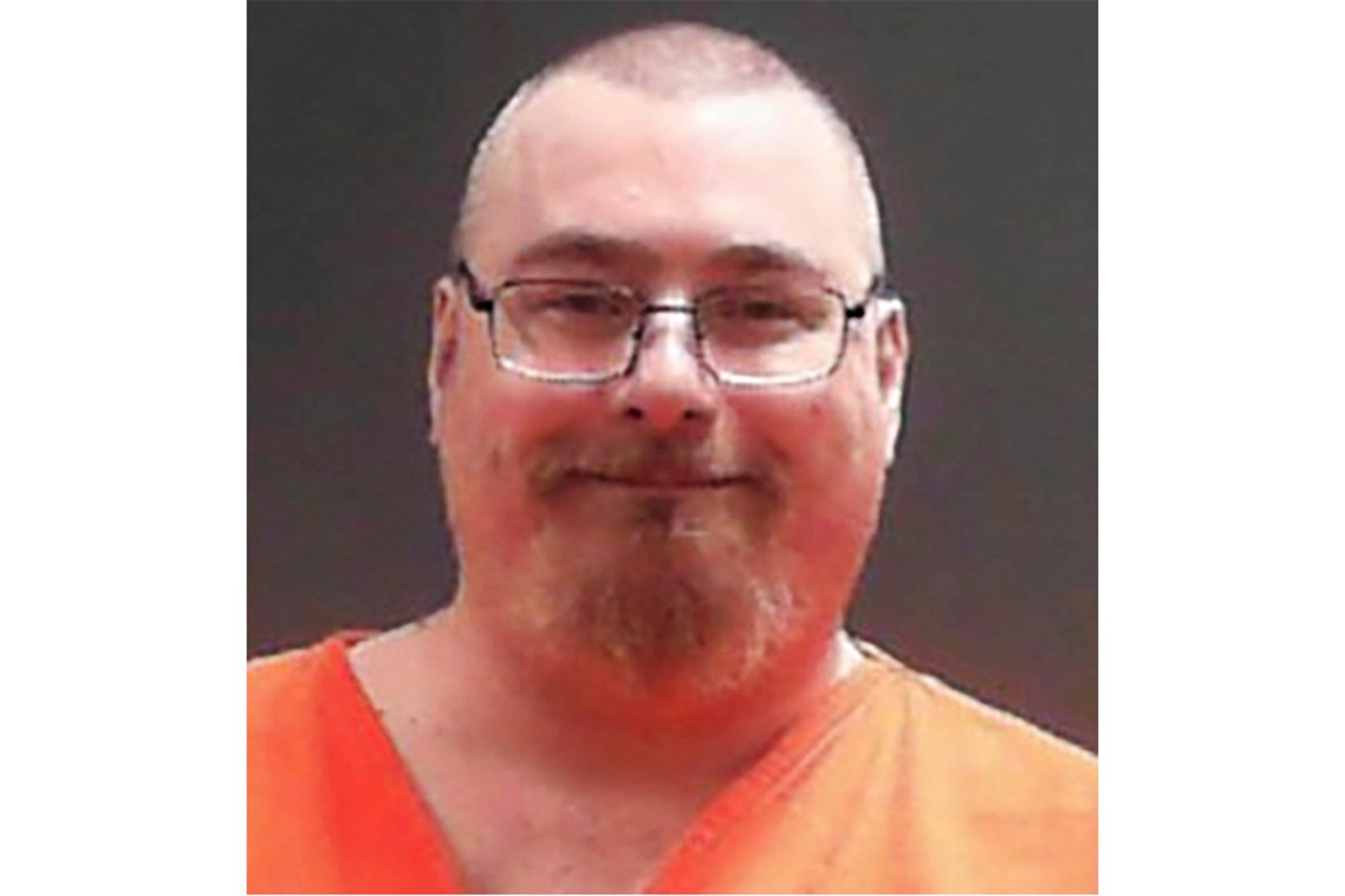
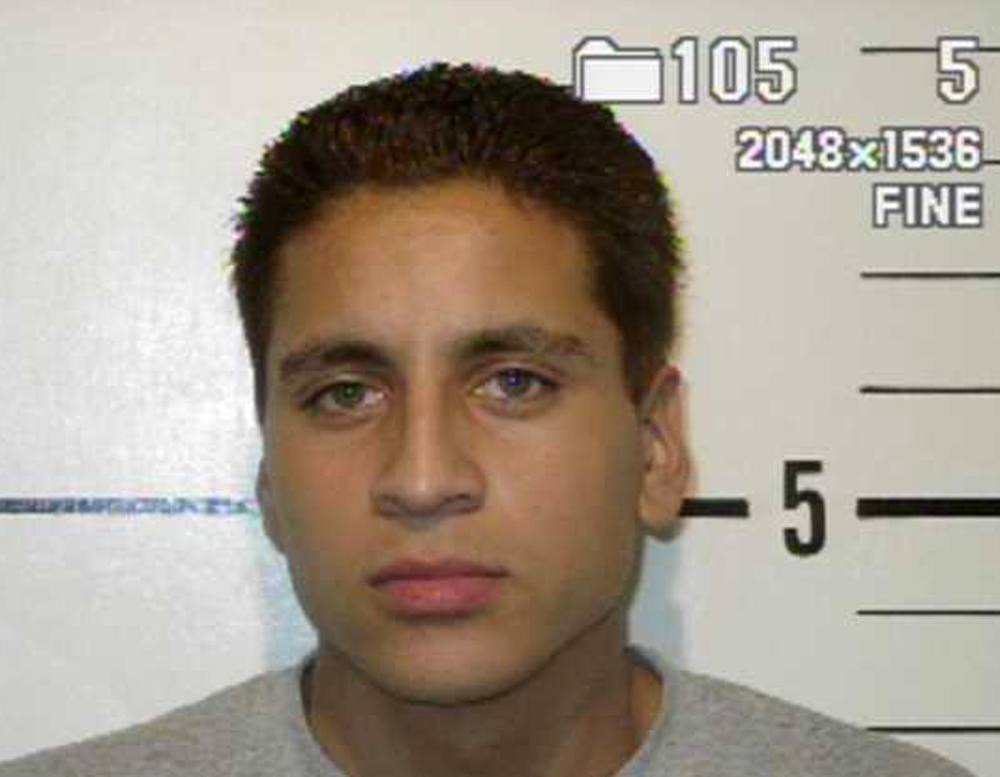
Anderson Lee Aldrich carried out a mass shooting at Club Q, an LGBTQ nightclub in Colorado Springs, Colorado, during the night of November 19 and the early morning of November 20, 2022. Aldrich, who was 22 years old at the time, entered the crowded club shortly before midnight and opened fire on employees and patrons. Five people were murdered, while numerous others suffered gunshot wounds or additional injuries during the attack and the panic that followed.
Club Q was located at 3430 North Academy Boulevard in Colorado Springs. It had operated for approximately two decades and was widely regarded as an important gathering place for the region’s LGBTQ community. The shooting occurred on the eve of Transgender Day of Remembrance, an annual observance honoring transgender people killed through violence. Federal prosecutors later established that Aldrich deliberately targeted people because of their actual or perceived sexual orientation and gender identity.
The Attack at Club Q
During the late evening of November 19, 2022, Club Q was hosting a dance party attended by employees, regular customers, performers and visitors. Shortly before midnight, Aldrich arrived at the nightclub carrying an AR-15-style rifle, a handgun and multiple rounds of ammunition. Aldrich also wore tactical equipment and used a large-capacity ammunition magazine.
After entering the building, Aldrich immediately began firing. People near the entrance were among the first to be struck. Aldrich then moved farther into the nightclub, shooting toward the bar, dance floor and patio areas. Customers attempted to hide behind furniture, flee through exits or assist wounded friends while the gunfire continued.
Daniel Aston, a Club Q bartender and performer, was working near the entrance when the shooting began. He was fatally wounded during the opening portion of the attack. Aldrich continued toward the bar area, where additional victims were shot, including Kelly Loving, Raymond Green Vance and Ashley Paugh. Derrick Rump, another Club Q bartender, was fatally shot near the club’s patio area.
The shooting lasted only several minutes, but the rapid gunfire caused extensive casualties. Nineteen people were wounded by bullets, and several additional people suffered other injuries while escaping, hiding or confronting the attacker. Police began receiving emergency calls at approximately 11:57 p.m. Officers arrived within minutes and entered the club after patrons had already subdued Aldrich.
Patrons Stop the Gunman
The massacre ended when several people inside Club Q confronted Aldrich. Army veteran Richard Fierro saw the shooter moving through the nightclub and rushed toward Aldrich. Fierro pulled the gunman to the floor, took control of a handgun and struck Aldrich while attempting to prevent another attack.
Thomas James, a United States Navy petty officer who was wounded during the shooting, also assisted in restraining Aldrich. Other patrons helped move weapons away and hold the attacker until police officers arrived. Their intervention prevented Aldrich from continuing to fire into the crowded building and was widely credited with saving additional lives.
Aldrich was injured during the struggle and was transported to a hospital under police custody. Investigators recovered the rifle and handgun used during the massacre, along with ammunition and tactical equipment. Aldrich was formally arrested after receiving medical treatment.
Victims Killed at Club Q
- Daniel Davis Aston, 28 – Killed at Club Q in Colorado Springs during the November 19–20, 2022 attack. Aston was a bartender, supervisor and performer at the nightclub. Friends and relatives remembered him as an energetic entertainer who helped make Club Q a welcoming place.
- Kelly Loving, 40 – Killed inside Club Q during the shooting. Loving was visiting Colorado Springs and had been spending time with friends at the nightclub. Loved ones described Loving as compassionate, supportive and deeply devoted to friends and family.
- Ashley Paugh, 35 – Killed at Club Q while visiting Colorado Springs with a friend. Paugh lived in La Junta, Colorado, and was the mother of a young daughter. She worked with organizations that helped foster children find permanent homes.
- Derrick Rump, 38 – Fatally shot near the patio area of Club Q. Rump was a bartender and longtime employee who was well known among the club’s customers. Friends described him as humorous, caring and protective of the people around him.
- Raymond Green Vance, 22 – Killed while visiting Club Q with his girlfriend, her parents and friends. It was reportedly his first visit to the nightclub. Vance was remembered as a kind young man who enjoyed video games and hoped to build a career in technology.
The Injured and the Community Impact
Dozens of people survived the shooting, but many suffered serious physical and psychological injuries. Nineteen people were struck by gunfire. Some victims required repeated surgeries and lengthy rehabilitation, while others continued to live with bullets or fragments remaining in their bodies. Survivors also described lasting trauma, anxiety, nightmares and survivor’s guilt.
The attack devastated Colorado Springs’ LGBTQ community. Club Q had served not merely as a nightclub but as a community center where people could socialize, perform and feel accepted. Memorials containing flowers, photographs, candles, pride flags and written messages were placed outside the building following the massacre.
Aldrich’s Previous 2021 Arrest
The Club Q attack drew renewed attention to Aldrich’s arrest in June 2021. During that earlier incident, Aldrich allegedly threatened to kill family members and claimed to possess firearms, ammunition and bomb-making materials. Aldrich’s grandparents reported that Aldrich had spoken about becoming a mass killer and carrying out a shooting or bombing.
The confrontation resulted in a law-enforcement standoff and the evacuation of nearby homes. Aldrich eventually surrendered and was arrested on allegations that included kidnapping and felony menacing. Authorities found weapons, tactical equipment and materials that investigators believed could be associated with explosives.
The 2021 case was later dismissed after prosecutors were unable to proceed without the cooperation of essential witnesses. The records were initially sealed under Colorado law. Aldrich’s firearms were not permanently confiscated through Colorado’s extreme-risk protection order process. After the Club Q massacre, survivors and victims’ relatives argued that stronger intervention following the 2021 incident might have prevented the attack.
State Criminal Charges
Following the Club Q shooting, Colorado prosecutors filed hundreds of criminal counts against Aldrich. The charges included five counts of first-degree murder, dozens of counts of attempted first-degree murder, assault charges and bias-motivated offenses.
On June 26, 2023, Aldrich pleaded guilty in Colorado state court to five counts of first-degree murder and 46 counts of attempted first-degree murder. Aldrich also entered no-contest pleas to two bias-motivated crime charges. By pleading guilty, Aldrich avoided a lengthy state trial and admitted responsibility for intentionally murdering the five victims and attempting to murder many others inside Club Q.
Victims, survivors and relatives delivered emotional statements during the sentencing hearing. They described the people who had been killed, the injuries suffered by survivors and the lasting damage inflicted upon the LGBTQ community. Several speakers directly condemned Aldrich for attacking a place that had represented safety and belonging.
State Sentence
On June 26, 2023, a Colorado judge sentenced Aldrich to five consecutive life sentences without the possibility of parole for the murders. The judge imposed an additional 2,211 years of imprisonment for the attempted murders and other offenses. The sentence ensured that Aldrich would never be released from custody.
The guilty plea also provided a formal judicial finding that Aldrich had committed the killings. Although the state case included bias-related charges, Colorado law did not allow prosecutors to seek the death penalty because the state had abolished capital punishment in 2020.
Federal Hate-Crime Prosecution
Federal authorities conducted a separate civil-rights investigation into the attack. Prosecutors concluded that Aldrich had targeted Club Q because it was an LGBTQ establishment and had selected victims because of their actual or perceived sexual orientation and gender identity.
In January 2024, the United States Department of Justice announced federal hate-crime and firearms charges. Aldrich later agreed to plead guilty to 74 federal offenses, including hate crimes resulting in death, hate crimes involving attempts to kill and firearms violations.
During the federal proceedings, prosecutors presented evidence showing that the attack was planned and motivated by hostility toward the LGBTQ community. Evidence included Aldrich’s weapons preparation, internet activity and materials recovered during the investigation. Federal authorities characterized the shooting as a deliberate, hate-fueled attack on people gathered in a protected community space.
Federal Guilty Plea and Sentence
On June 18, 2024, Aldrich pleaded guilty in federal court to 50 hate-crime charges and 24 firearms violations. During the hearing, Aldrich admitted intentionally killing five people, attempting to kill others and selecting the victims because of their actual or perceived gender identity or sexual orientation.
United States District Judge Charlotte N. Sweeney sentenced Aldrich to 55 concurrent life sentences without the possibility of parole, followed by an additional 190 years in federal prison. The federal sentence was imposed in addition to the five consecutive life sentences and 2,211-year sentence already ordered by the Colorado court.
The federal prosecution formally recognized the Club Q massacre as an anti-LGBTQ hate crime. Justice Department officials stated that the sentence reflected both the enormous loss of life and the broader terror inflicted on a community that had been attacked in a place intended to provide safety and acceptance.
Aftermath and Legacy
The Club Q shooting became one of the deadliest attacks against LGBTQ people in modern United States history. It renewed national debate regarding hate crimes, access to firearms, large-capacity magazines, extreme-risk protection orders and the handling of previous threats made by individuals later accused of mass violence.
For the survivors and victims’ families, the state and federal sentences brought legal finality but could not undo the deaths, injuries and trauma caused on November 19 and 20, 2022. Daniel Aston, Kelly Loving, Ashley Paugh, Derrick Rump and Raymond Green Vance continued to be honored through memorials, community events and efforts to preserve the history of Club Q.
The actions of Richard Fierro, Thomas James and the other patrons who confronted Aldrich also became a central part of the story. By attacking and restraining the gunman while shots were still being fired, they ended the massacre before Aldrich could kill or wound more people. Their intervention demonstrated extraordinary courage during one of the most violent attacks in Colorado Springs history.