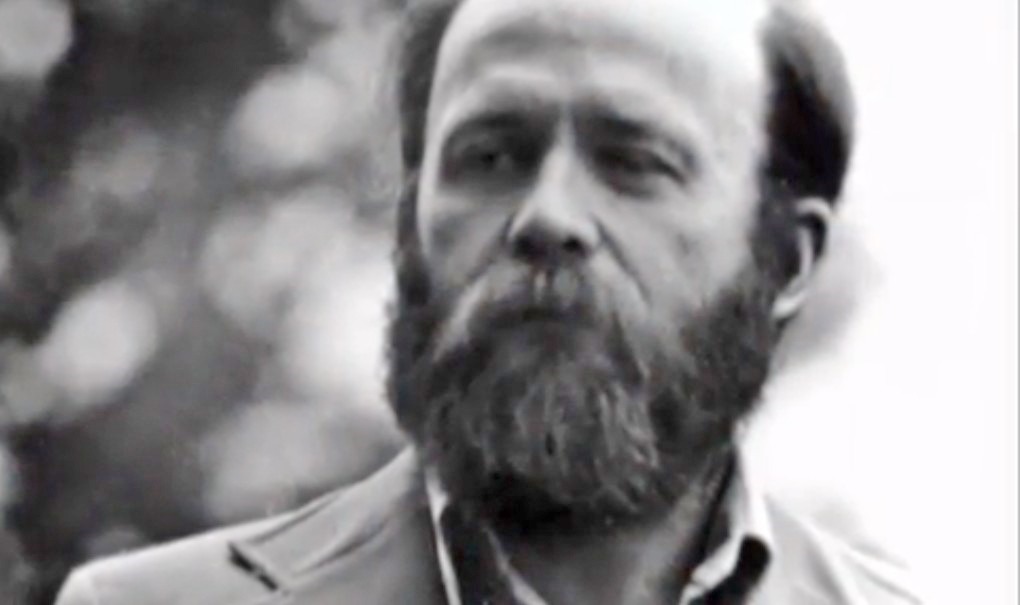
William Lockey and the 2002 Bertrand Products Massacre
Overview of the Workplace Shooting
On the morning of March 22, 2002, William Lockey carried out a deadly workplace shooting at Bertrand Products, Inc., an aircraft-parts manufacturing company located at 2323 Foundation Drive in South Bend, Indiana. Lockey, a 54-year-old employee assigned to the shipping and receiving department, opened fire on his co-workers with a rifle and a shotgun, killing four men and wounding two other employees.
The violence began at approximately 8:15 a.m., not long after workers had started their day. Lockey had reportedly arrived for his shift at about 7:00 a.m. carrying a grocery bag. Nothing immediately indicated that he was about to commit an attack. Roughly an hour later, however, gunfire erupted inside the plant, sending terrified employees running for exits or searching for places to hide.
The Attack Inside Bertrand Products
Bertrand Products was a relatively small manufacturing operation with approximately 50 employees. The company produced precision aircraft components, and Lockey worked among people who had known him as a fellow employee rather than as an outside intruder. This familiarity made the attack especially shocking. The killings occurred within an ordinary workplace where employees had arrived expecting a routine Friday morning.
Lockey moved through part of the facility armed with two firearms and fired at multiple co-workers. Four employees suffered fatal gunshot wounds. Two additional workers were wounded but survived. Early reports indicated that one of the surviving employees was initially listed in serious condition.
The precise order in which the victims were attacked was not widely established in public reports. Authorities determined, however, that all four homicide victims were killed inside the Bertrand Products facility during the brief but concentrated burst of violence.
Victims Killed on March 22, 2002
- Dave Arpasi, 73: Fatally shot at Bertrand Products, Inc., 2323 Foundation Drive, South Bend, Indiana, on March 22, 2002.
- John Contadeluci, 47: Fatally shot at Bertrand Products, Inc., 2323 Foundation Drive, South Bend, Indiana, on March 22, 2002.
- Robert Downs Jr., 42: Fatally shot at Bertrand Products, Inc., 2323 Foundation Drive, South Bend, Indiana, on March 22, 2002.
- Craig Schafer, 51: Fatally shot at Bertrand Products, Inc., 2323 Foundation Drive, South Bend, Indiana, on March 22, 2002. Some early accounts listed his age as 50.
Escape in a Stolen Company Van
After shooting his co-workers, Lockey fled the plant in a company van that he had taken from the business. Police officers responding to reports of an active shooter quickly began pursuing him. Rather than surrender, Lockey drove north from South Bend toward the Indiana-Michigan state line while still armed with the rifle and shotgun.
The escape developed into a dangerous, high-speed pursuit. Lockey reportedly stopped or slowed the van at different points and fired at pursuing officers before accelerating away again. Police returned fire as the chase continued through northern Indiana and toward the Niles, Michigan, area.
The gunfire endangered officers, motorists and residents along the pursuit route. Three law-enforcement officers were injured by shotgun pellets, shattered material or flying debris during the exchanges. Their injuries were not fatal.
Death Near Niles, Michigan
Police established a roadblock near Niles, Michigan, in an effort to stop the fleeing van. As Lockey approached the roadblock, he used one of his weapons to shoot himself while the vehicle was still moving. The driverless van continued forward, struck several mailboxes and eventually came to rest against a tree.
Officers found Lockey dead inside the vehicle. His death ended the approximately 20-minute episode, which had begun at about 8:15 a.m. and concluded near 8:35 a.m. The final scene was located across the state line from the manufacturing plant where the four murders had occurred.
Possible Motive and Workplace Conflict
Investigators did not immediately announce a single, definitive motive for the massacre. Co-workers reported that Lockey had appeared worried about the possibility of losing his job. He had also reportedly experienced disagreements with other employees concerning work responsibilities and shipping schedules.
Reports concerning Lockey's background indicated that he had previously experienced serious mental-health problems. Even so, mental illness alone did not explain why he selected particular co-workers, brought firearms to the plant or chose March 22, 2002, as the day of the attack. No public evidence established that the four murdered men had participated in a coordinated action against him.
The attack appeared to have been planned to at least some degree because Lockey arrived at work with firearms concealed or carried among his belongings. His decision to bring both a rifle and a shotgun, flee in a company vehicle and fire at police demonstrated that the violence extended beyond a spontaneous argument inside the plant.
Casualties and Immediate Aftermath
Four Bertrand Products employees were killed and two other employees were wounded. Three police officers were also injured during the pursuit, bringing the total number of wounded survivors to five. Lockey was the only other person killed, dying from a self-inflicted gunshot wound near Niles.
Police secured the manufacturing facility and began the difficult process of identifying the dead, interviewing survivors and reconstructing Lockey's movements. Families were notified that their relatives had been killed during what had begun as a normal work shift.
The massacre left Bertrand Products employees and the South Bend community struggling to understand how a long-time workplace could become the scene of four homicides within minutes. The attack also forced law-enforcement agencies in Indiana and Michigan to coordinate evidence from the plant, the pursuit route and the location where the van finally stopped.
Legacy of the Case
The Bertrand Products shooting became one of the notable American workplace mass murders of the early 2000s. It demonstrated how quickly an armed employee could turn a familiar industrial setting into an active-shooter scene and then create a second threat by fleeing while exchanging gunfire with police.
The victims were not strangers who happened to cross Lockey's path. They were employees reporting for work at a South Bend manufacturing plant. Dave Arpasi, John Contadeluci, Robert Downs Jr. and Craig Schafer lost their lives during a concentrated attack that lasted only minutes but permanently affected their families, surviving co-workers and community.