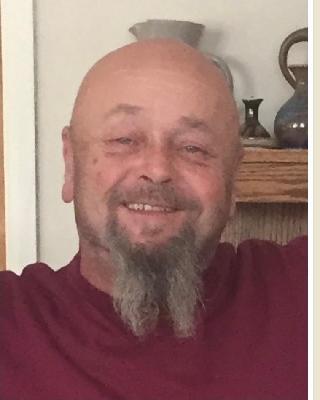
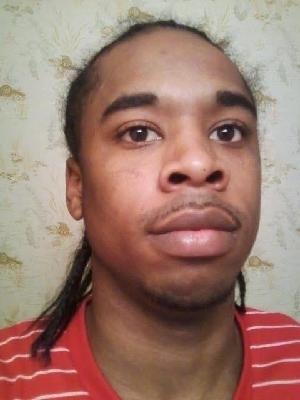
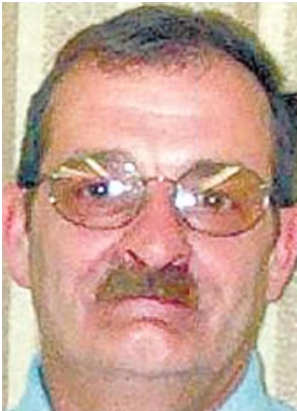
On a Friday morning in South Bend, Indiana, the life of 73-year-old Dave Arpasi, a male employee at Bertrand Products Inc., was cut short in an act of workplace violence. The events of March 22, 2002, would leave a scar on the community and tragically end the lives of four individuals, including Arpasi. The perpetrator was identified as his 54-year-old coworker, William J.
Lockey of Niles, Michigan, who had a documented history of mental health issues.
That morning, Lockey, a shipping clerk, arrived at the aircraft parts plant before his shift, made a delivery, and clocked in. Shortly before the shooting began, he reportedly became agitated, complaining that he had not received something necessary for his job. Around 8:15 a.m., Lockey was seen firing a. 22-caliber rifle at employees in the office area. After wounding three people there, he moved to the plant section of the building. There, he shot another person with the rifle before switching to a 12-gauge shotgun and shooting two more individuals. The attack appeared to be targeted, as a coworker later recounted that Lockey had previous disagreements with some of the victims over work-related matters and had been worried about losing his job.
In the ensuing chaos, four of Lockey's coworkers lay dead: Dave Arpasi, Craig Schafer, 50, John Contadeluci, 47, and Robert C. Downs Jr., 42. Two other employees were wounded in the rampage. Lockey then fled the scene in a stolen company van, leading police on a harrowing 15-minute chase that crossed the state line into Michigan. During the pursuit, he exchanged gunfire with officers, injuring three of them with flying debris or shotgun pellets. The chase came to a dramatic and violent end when Lockey, as he approached a police roadblock, took his own life with a self-inflicted gunshot wound while the van was still in motion. The vehicle then crashed, bringing the tragic series of events to a close.
The investigation that followed revealed a deeply troubled history for William J. Lockey. In 1968, he had been arrested after a standoff with police in Cass County, Michigan, during which he had planned a mass shooting at the county courthouse. He was found to be mentally ill and was committed to a state mental hospital until his release in 1971. In the years that followed, he had no further arrests until the day of the deadly shooting at Bertrand Products. The incident left the community in shock and mourning the senseless loss of life. As there was no trial due to the suspect's suicide, many of the questions surrounding his motive and the specifics of his grievances were left unanswered, buried with him.