Ryan Willis McFarland and the 2026 Muscatine Family Massacre
Overview of the Case
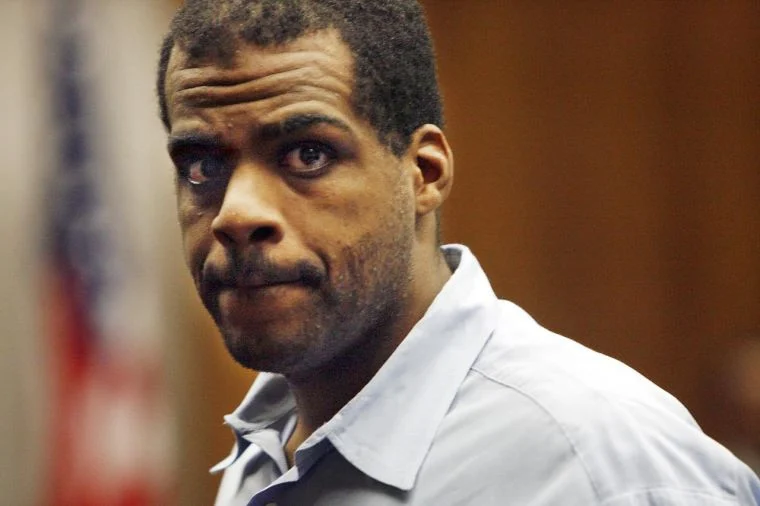
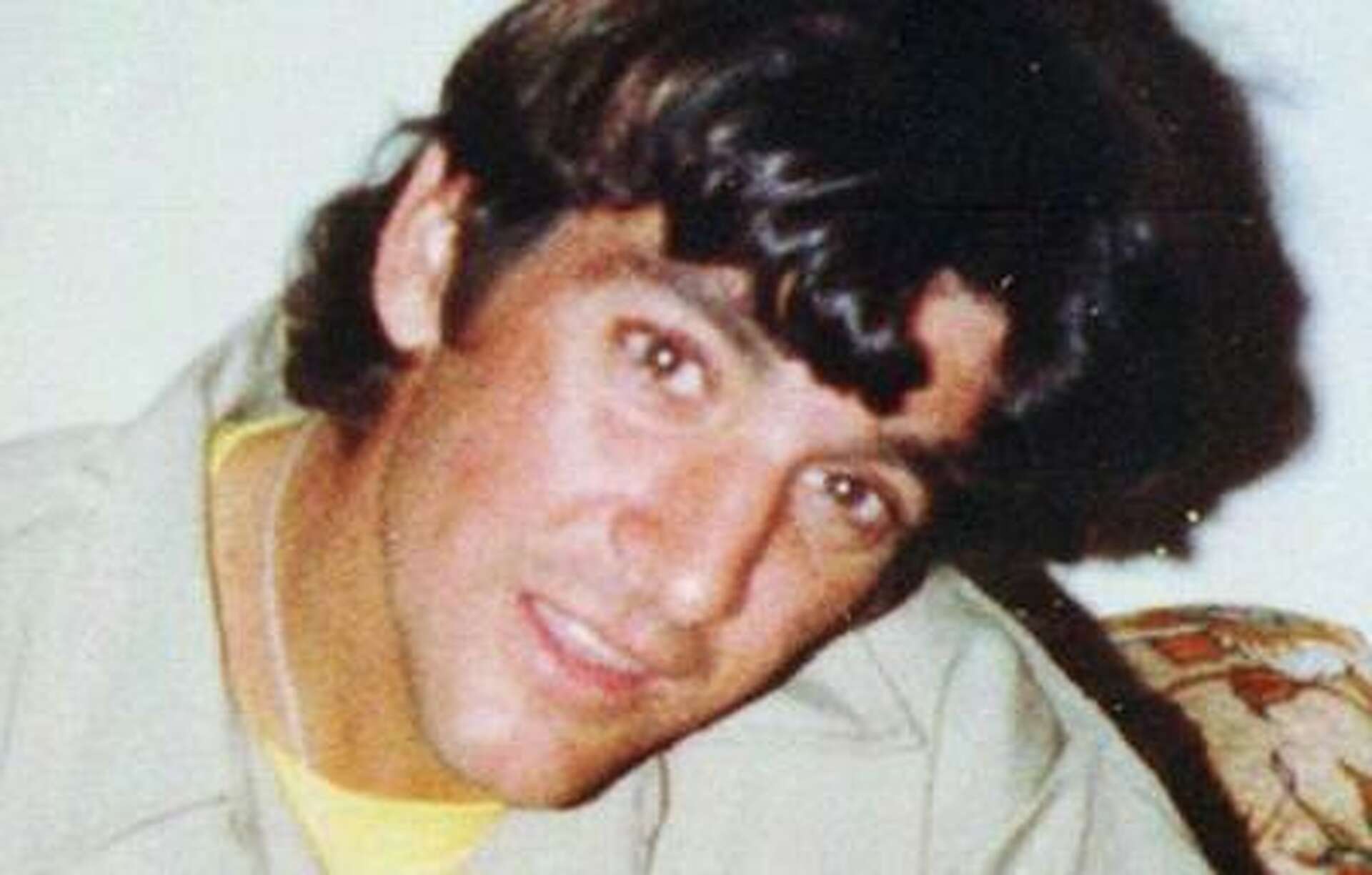
Ryan Willis McFarland was a 52-year-old resident of Muscatine, Iowa, whom police identified as the gunman responsible for killing six members of his own family on June 1, 2026. The violence unfolded at three locations across the city and ended when McFarland died from a self-inflicted gunshot wound after officers located him on the Riverfront Trail near the Mississippi River.
The victims were McFarland’s former wife and five of their children. They ranged in age from 13 to 51. Four were found together inside a residence on Park Avenue, while two adult male victims were discovered at separate locations on Mill Street and Grandview Avenue. Police described the killings as the result of a domestic-related dispute, although investigators had not publicly disclosed a detailed motive or the precise sequence in which every victim was attacked.
The Shootings on June 1, 2026
At approximately 12:12 p.m. on Monday, June 1, the Muscatine County Joint Communications Center received a report of a shooting at 210 Park Avenue. Police officers and emergency medical personnel were immediately sent to the residence. After entering the home, first responders found four people suffering from gunshot wounds. All four were pronounced dead at the scene.
McFarland had already left the Park Avenue residence by the time officers arrived. Police began searching for him while detectives worked to determine what had happened inside the home and whether anyone else was in danger. Officers located McFarland a short time later on the Riverfront Trail near a pedestrian bridge. Authorities said officers attempted to speak with him, but McFarland shot himself. Police and emergency personnel provided medical assistance, but he died at the scene.
The discovery of McFarland did not end the investigation. Detectives received information suggesting that additional relatives might have been attacked. Officers went to a residence at 1509 Mill Street, where they found an adult man dead from an apparent gunshot wound. Investigators then searched a business at 808 Grandview Avenue and found another adult man who had also been fatally shot.
The three crime scenes revealed that the attack was not confined to one spontaneous confrontation. McFarland had allegedly traveled between separate locations while targeting members of the same family. By the end of the investigation’s initial phase, six victims and McFarland were dead, bringing the total number of fatalities to seven.
Victims
- Lesa McFarland, 51 — McFarland’s former wife. She was killed by gunfire on June 1, 2026, in Muscatine, Iowa. Lesa and Ryan McFarland had reportedly been married from 2002 until 2023.
- Dakota Whitlow, 32 — McFarland’s son and the oldest of the five siblings killed. He died from gunshot wounds on June 1, 2026, at one of the Muscatine crime scenes. Whitlow was remembered by his fiancée as a talented metalworker with whom she had planned a future.
- Austin Harris, 29 — McFarland’s son. He was fatally shot on June 1, 2026, in Muscatine. Harris was one of the two adult male victims found away from the primary Park Avenue residence, although police did not initially state publicly which man was found at each secondary location.
- Ryle McFarland, 20 — McFarland’s daughter. She was killed on June 1, 2026, in Muscatine. Ryle had recently completed her education and was preparing to begin work in the teaching profession.
- Mark McFarland, 16 — McFarland’s teenage son and a student in the Muscatine Community School District. He was shot and killed on June 1, 2026.
- Ryan McFarland Jr., 13 — McFarland’s youngest son and another Muscatine student. He was fatally shot on June 1, 2026.
A Family Targeted Across Multiple Locations
Police said all six victims were members of McFarland’s family. Public statements made after the killings described Lesa as the mother of the family and Dakota, Austin, Ryle, Mark and Ryan Jr. as siblings. A surviving son, 22-year-old Johnathan McFarland, was not physically harmed in the shootings and became the only immediate member of the household known to have survived the massacre.
Four of the victims were connected to the Muscatine Community School District. District officials reported that two were students and two were employees. The deaths therefore affected not only relatives and close friends but also teachers, staff members and students across the local school system. Counseling services were offered as the community struggled to understand how so many members of one family had been killed within such a short period.
Domestic Dispute and Continuing Investigation
Muscatine police described the preliminary motive as domestic-related. Authorities did not publicly explain what specific disagreement or event preceded the shootings. No surviving witness was publicly identified as having observed the entire sequence, and McFarland’s death meant that investigators could not question him or bring the accusations before a criminal court.
The case was handled as a complex, multi-scene homicide investigation. Muscatine police received assistance from the Muscatine Fire Department, the Muscatine County Sheriff’s Office, the Iowa State Patrol and the Iowa Division of Criminal Investigation. Detectives processed the Park Avenue residence, the Mill Street home, the Grandview Avenue business and the location where McFarland died.
Because McFarland died at the end of the incident, no arrest or prosecution followed the six killings. Police continued interviewing witnesses, examining physical evidence and reconstructing his movements. Investigators also sought information from anyone who had seen McFarland or communicated with members of the family before the shootings.
McFarland’s Criminal History
Records reviewed after the massacre showed that McFarland had a criminal history extending back several decades. In 1994, he was charged in Rock Island County, Illinois, with attempted armed robbery and burglary. He reached a plea agreement and received a prison sentence. He was later convicted of theft in Illinois and returned to prison.
McFarland and Lesa later operated a childcare business from their Muscatine residence. In 2011, an eight-month-old infant died while under McFarland’s supervision. Authorities alleged that he placed the infant face down with the child’s head resting on an adult-sized pillow. The baby was later found unresponsive and died despite resuscitation efforts.
McFarland was initially charged with child endangerment resulting in death and neglect or abandonment of a dependent person. He later pleaded guilty to a reduced child-endangerment charge, while the neglect charge was dismissed. His childcare license had also been revoked after officials determined that he failed to disclose earlier felony convictions when applying to operate the business.
In another case, McFarland was accused of selling vehicles after altering or misrepresenting their recorded mileage. The investigation involved allegations that he rolled back odometers before advertising vehicles for sale. He pleaded guilty to reduced fraudulent-practice charges and received a suspended sentence and probation.
Community Vigil and the Surviving Son
A community vigil was held at Muscatine High School on June 2, one day after the killings. Police publicly named the six victims during the gathering. Friends, relatives, school employees and local residents assembled to mourn a mother and five siblings whose lives had been taken in a single afternoon.
Johnathan McFarland spoke publicly about his mother, sister and brothers. He also acknowledged the complicated grief created by the fact that his father was accused of killing the rest of the family. His remarks reflected both the enormity of the loss and the emotional conflict faced by a survivor mourning victims and perpetrator at the same time.
Dakota Whitlow’s fiancée also spoke about the future they had planned together. Tributes focused on the victims as individuals rather than merely as names in a mass-shooting investigation. Family members described their personalities, talents and relationships while attempting to preserve memories that were not defined entirely by the manner of their deaths.
Aftermath
The Muscatine killings became one of the deadliest acts of family violence in the United States during 2026. Six relatives were killed, including two minors, before the suspected gunman ended his own life. The deaths left an entire immediate family destroyed apart from one surviving son.
Authorities emphasized that there was no continuing threat to the public after McFarland’s death. Even so, the massacre left lasting consequences throughout Muscatine. Several victims had direct ties to local schools and workplaces, meaning the loss extended into classrooms, offices and community organizations.
The final investigative findings may clarify McFarland’s movements, the order of the shootings and which victims were found at each location. However, the central facts established by police were devastating: on June 1, 2026, Ryan Willis McFarland allegedly carried out a series of shootings against his former wife and five children, moved between multiple locations in Muscatine, and died by suicide when officers found him near the riverfront.