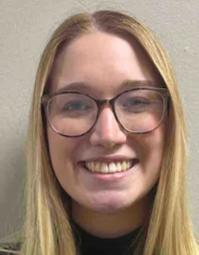
Lesa McFarland, 51, was killed on June 1, 2026, in Muscatine, Iowa, during a family mass shooting that authorities described as a domestic-related act of violence. She was one of six members of the McFarland family who were fatally shot that day, a tragedy that spread across multiple locations in the city and left the community grieving almost immediately.
Lesa was remembered not only as a mother and wife, but also as someone connected to the Muscatine Community School District, where she worked in nutrition services at Susan Clark Junior High.
The violence began when Muscatine police were called to a home in the 200 block of Park Avenue shortly after noon for a report of a shooting. When officers arrived, they found four people dead from gunshot wounds inside the residence. As detectives began piecing together what had happened, the scope of the crime widened. Authorities learned there could be additional victims, and two more adult males were later found fatally shot at separate locations, including a residence and a business in Muscatine.
Police identified the suspected shooter as Ryan Willis McFarland, 52, of Muscatine. He was described in reports as Lesa’s husband and a relative of the other victims. After the shootings, officers located him near the riverfront trail close to the pedestrian bridge. When police confronted him, he died from a self-inflicted gunshot wound. Emergency responders attempted life-saving measures, but he was pronounced dead at the scene. Because Ryan McFarland died during the confrontation, there were no arrests, no criminal charges filed in connection with the killings, and no trial or conviction.
The victims were later identified as Lesa McFarland, Dakota Whitlow, Austin Harris, Ryle McFarland, Mark McFarland, and Ryan McFarland Jr. Reports described the victims as members of the same family, and the loss was especially devastating because several were tied to local schools. The Muscatine Community School District confirmed that two of the victims were district employees and two were students. The deaths immediately brought grief counselors, vigils, and public mourning as friends, classmates, coworkers, and relatives tried to absorb the scale of what had happened.
Investigators said the killings appeared to stem from a domestic dispute, though the full motive remained under investigation. Muscatine Police Chief Anthony Kies called the shootings an act of evil and said the suspect had a criminal history. Later reporting described Ryan McFarland’s past as including prior felony charges and convictions, along with a history connected to a former in-home daycare he operated with Lesa. Years earlier, he had faced a child endangerment case after an infant died while in his care, though that case ended in a reduced charge rather than the most serious original allegation.
In the aftermath, the story of Lesa McFarland’s death became inseparable from the larger family tragedy. Her surviving son, Johnathan McFarland, spoke at a vigil and publicly mourned his mother, siblings, and family members. The case left Muscatine with no surviving suspect to prosecute and few answers that could be tested in court. What remained was the picture of a domestic violence massacre that moved from one home to another, ended on a riverfront trail, and took Lesa and five other members of her family in a single afternoon.