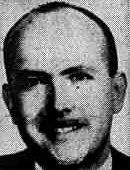
Eric Houston and the 1992 Lindhurst High School Shooting
Background
Eric Christopher Houston was a 20-year-old former student of Lindhurst High School when he carried out a deadly shooting and hostage siege on May 1, 1992. The attack occurred at the school’s campus on Olive Avenue in Olivehurst, an unincorporated community in Yuba County, California. Houston had attended Lindhurst but failed to earn enough credits to graduate with his class.
Houston later blamed some of his personal and employment difficulties on his failure to graduate. He was particularly resentful toward Robert Brens, a civics and economics teacher whose class Houston had failed. Houston believed that this academic failure had prevented him from receiving a diploma and contributed to his inability to obtain stable, well-paying employment. Prosecutors maintained that Houston’s anger toward Brens and the school developed into a plan for violence.
Arrival at Lindhurst High School
At approximately 2:40 p.m. on Friday, May 1, 1992, Houston arrived at Lindhurst High School armed with a 12-gauge pump-action shotgun and a sawed-off .22-caliber semiautomatic rifle. He carried ammunition for both weapons and entered the school while classes were still in session.
Houston went directly toward the classroom of Robert Brens, who had taught him during his senior year. Students and staff initially had little warning that an armed former student had entered the building. The attack began suddenly inside Brens’ classroom and quickly spread into the adjoining hallway.
The Classroom Shooting
Houston entered Robert Brens’ classroom and confronted the teacher. He shot Brens at close range, killing him. Seventeen-year-old student Judy Davis was also shot and killed inside the classroom. Other students attempted to hide, escape or protect themselves as Houston continued firing.
Houston then moved into the hallway. There he encountered student Jason Edward White and fatally shot him in the chest. As panic spread through the building, students ran through classrooms and corridors in an effort to escape the gunfire.
Houston later aimed his weapon toward student Angela Welch. Sixteen-year-old Beamon Aton Hill pushed Welch out of the line of fire. Hill was struck and killed. His actions were widely remembered as an attempt to save another student’s life during the attack.
In addition to the four people killed, Houston wounded nine students and one teacher. Some victims were struck by shotgun pellets, while others suffered injuries during the confusion and attempts to escape. Emergency personnel were initially unable to reach everyone inside because Houston remained armed and began taking hostages.
Victims Killed on May 1, 1992
- Robert Brens — Teacher killed inside his classroom at Lindhurst High School in Olivehurst, California, on May 1, 1992. Brens had previously taught Houston and was believed to have been the primary target of Houston’s anger.
- Judy Davis, 17 — Student killed in Robert Brens’ classroom at Lindhurst High School on May 1, 1992.
- Jason Edward White — Student fatally shot in a hallway at Lindhurst High School on May 1, 1992.
- Beamon Aton Hill, 16 — Student killed after pushing Angela Welch away from Houston’s line of fire at Lindhurst High School on May 1, 1992.
The Hostage Siege
After the initial shootings, Houston entered another classroom containing approximately 25 to 30 students. He began gathering additional hostages and eventually held more than 80 students and staff members inside the school. Some reports placed the number of captives at approximately 80 to 85 people.
Houston used student Andrew Parks to bring additional people into the hostage area. Parks was reportedly warned that another student would be killed if he failed to return. During the siege, Houston ordered hostages to block doors and windows and attempted to control movement inside the classroom.
Law-enforcement officers surrounded the school while negotiators established contact with Houston. Parents and relatives gathered outside the police perimeter, uncertain whether their children were injured, hiding or being held hostage. Medical personnel waited nearby while officers attempted to prevent additional killings.
The standoff continued for approximately eight hours. During that period, Houston spoke with negotiators and gradually released groups of hostages. Some students escaped through windows or found other opportunities to leave the building. The remaining captives endured hours of uncertainty while Houston continued holding his firearms.
Surrender and Arrest
At approximately 11:30 p.m. on May 1, 1992, Houston released his remaining hostages and surrendered to police. He was taken into custody without being killed or seriously injured. Officers recovered his shotgun, rifle and ammunition from the school.
Investigators interviewed students, teachers and police officers and reconstructed Houston’s movements through the building. Physical evidence and eyewitness testimony established that he had deliberately entered the school with multiple weapons, killed four people, wounded ten and forcibly detained dozens of hostages.
Statements and Claimed Motive
Houston told investigators that he had been distressed by losing a job and frustrated by his failure to graduate or obtain a General Educational Development credential. He acknowledged holding a grudge against Robert Brens because Brens had failed him in a required class.
Houston claimed that he had been out of touch with reality during the shooting. His defense later presented evidence concerning his mental condition and troubled personal history. Prosecutors argued that Houston understood his actions, prepared for the attack, selected his former teacher as a target and made deliberate decisions throughout the hostage siege.
Although Houston’s resentment toward Brens was considered an important motive, the other people killed and wounded had no known responsibility for Houston’s academic or employment problems. They became victims after Houston brought his grievances into a crowded school and directed violence toward students and staff members.
Trial and Convictions
Houston was prosecuted in Yuba County on four counts of first-degree murder and numerous additional charges involving attempted murder, assault with a firearm, false imprisonment and hostage-taking. The prosecution sought the death penalty.
On September 21, 1993, a jury found Houston guilty of the four murders and the other charges arising from the attack. Jurors also found special circumstances connected to the multiple killings, making him eligible for a death sentence.
During the penalty phase, prosecutors emphasized the number of victims, the planning involved, the danger to the hostages and the terror inflicted on the school community. The defense asked jurors to consider Houston’s psychological problems and personal background. The jury recommended death, and Houston was formally sentenced to death for the murders.
Houston challenged his convictions and sentence through the appellate process. On August 2, 2012, the California Supreme Court upheld his convictions and death sentence, rejecting claims that legal errors required the judgment to be overturned.
Impact on Olivehurst
The Lindhurst High School shooting devastated Olivehurst and the surrounding Yuba County communities. Four families lost loved ones, ten people suffered physical injuries and dozens of hostages experienced an extended armed siege. Students who escaped were reunited with relatives after hours of uncertainty, while the families of the dead received confirmation that their loved ones would not return home.
The attack occurred years before several later school massacres brought sustained national attention to mass violence in educational settings. At the time, the Lindhurst shooting was among the deadliest attacks at an American high school in modern history.
Security procedures, emergency communication and police responses at schools were examined after the attack. The incident also became an early example of the challenges created when an armed attacker transitions from an active shooting into a prolonged hostage situation.
Memorials and Remembrance
A memorial park was established on McGowan Parkway in Olivehurst to honor Robert Brens, Judy Davis, Jason Edward White and Beamon Aton Hill. Community members have continued to remember the victims through anniversaries, memorial gatherings and accounts from survivors.
Beamon Hill has been especially remembered for pushing another student away from Houston’s weapon. Robert Brens has been remembered as an educator killed while teaching, while Judy Davis and Jason White are remembered as young students whose lives ended during an ordinary school day.
The events of May 1, 1992, remain a defining tragedy in the history of Olivehurst. Eric Houston’s personal resentment culminated in the murder of four people, the wounding of ten others and the imprisonment of more than 80 hostages inside Lindhurst High School. The lasting focus of the community has remained on the victims, the survivors and the families permanently affected by the attack.