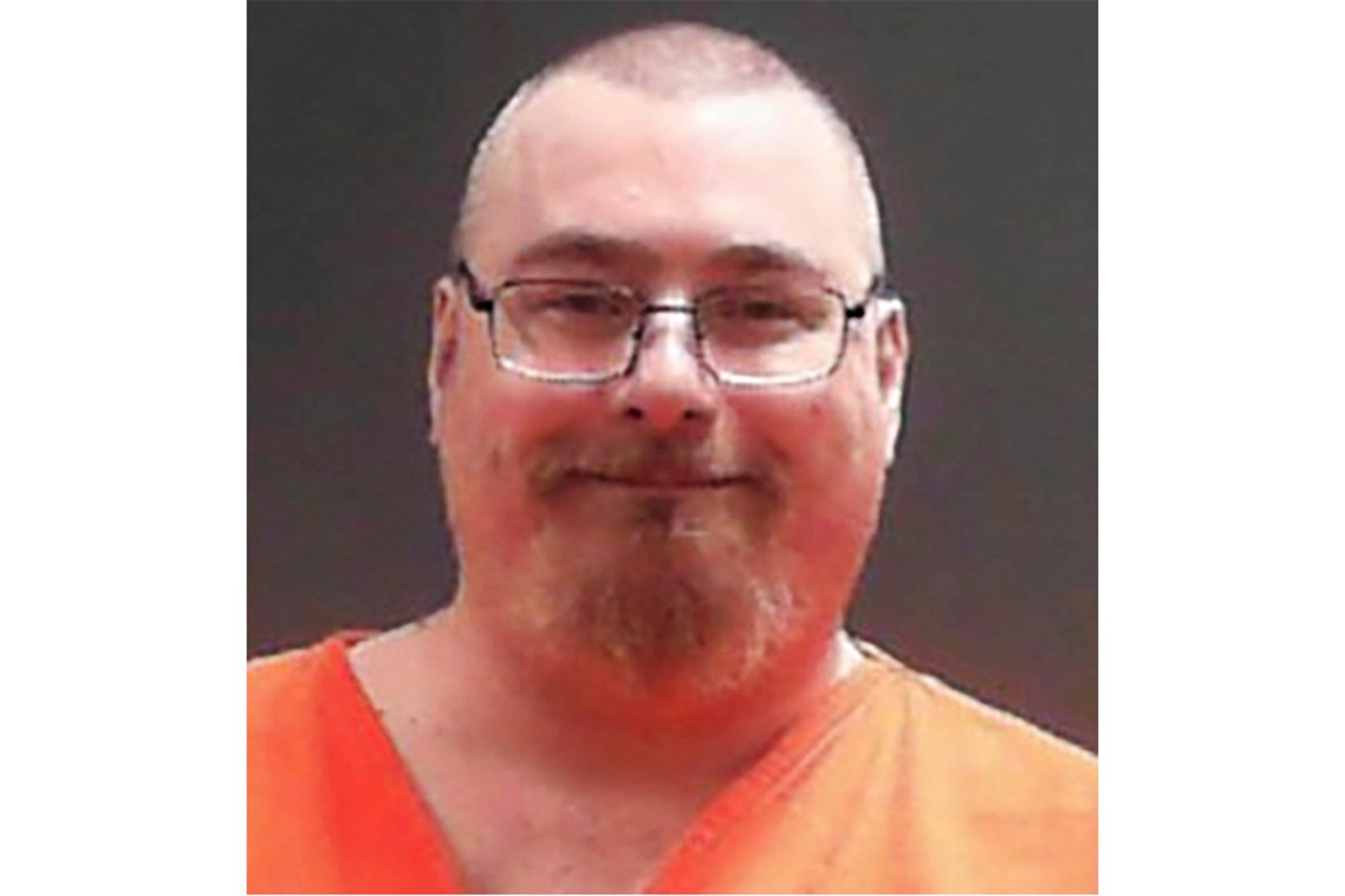
Mitchell Johnson and the 1998 Westside Middle School Massacre
Background
Mitchell Scott Johnson was a 13-year-old student when he and 11-year-old Andrew Douglas Golden carried out a carefully planned mass shooting at Westside Middle School near Jonesboro, Arkansas. The attack occurred on March 24, 1998, and resulted in the deaths of four students and one teacher. Nine students and another teacher were wounded.
Johnson was born on August 11, 1984, in Rochester, Minnesota. After his parents divorced, he moved with his mother and brother to the Jonesboro area. He attended Westside Middle School and was remembered by some adults as polite and quiet. Other students, however, later described disturbing statements he allegedly made before the massacre, including threats toward classmates and warnings that something violent was going to happen.
Although Johnson and Golden were not generally described as close friends, they knew each other from school and rode the same school bus. Golden had experience handling firearms and knew where weapons were stored at his family's properties. Together, the boys developed a plan to obtain guns, lure students and teachers outside the school, open fire from a concealed position and then escape.
Preparation for the Attack
On the evening before the massacre, Johnson and Golden gathered firearms and ammunition taken from Golden's family. The weapons included rifles, revolvers and semiautomatic pistols. Investigators also found a large quantity of ammunition, reportedly numbering approximately 2,000 rounds.
The boys loaded the weapons into a Dodge Caravan along with food, clothing, sleeping bags and other supplies. The presence of camping equipment and provisions indicated that they expected to flee after the shooting and remain away from home for an extended period.
On the morning of March 24, 1998, Johnson and Golden deliberately missed their normal school bus. They used the van to travel to Westside Middle School, arriving after classes had begun. They parked near a wooded area overlooking the school grounds and carried the guns, ammunition and other equipment into the trees.
The Fire Alarm
Shortly after 12:30 p.m., during the beginning of the fifth class period, Golden entered the school and activated a fire alarm. Johnson remained in the wooded area with the weapons. Golden then returned to Johnson's position as students, teachers and other employees began leaving the building in accordance with the school's fire-evacuation procedures.
The alarm caused large numbers of people to assemble outside in exposed areas. Many initially believed they were participating in a routine drill. Teachers attempted to organize their classes and account for students while the two boys watched from concealment approximately 100 yards away.
The Shooting
At approximately 12:41 p.m. on March 24, Johnson and Golden opened fire from the woods. They discharged rifles and handguns toward the students and teachers gathered outside the school. The sudden attack created confusion because some witnesses initially mistook the gunfire for firecrackers or construction noise.
Students and staff members began running for cover as bullets struck the crowd and the school building. Some people attempted to pull wounded victims back inside. Teachers opened secured doors and directed children into classrooms and the gymnasium while the shooting continued outside.
Teacher Shannon Wright was fatally wounded while trying to shield a student. Four girls were also killed. Ten additional people, including nine students and one teacher, suffered gunshot wounds but survived. One of the wounded students was reportedly Tristan McGowan, a relative of Golden.
Johnson and Golden fired approximately 22 rounds during the attack. After the shooting, they left their concealed position and attempted to return to the van. Police officers responding to the school captured both boys near the vehicle approximately ten minutes after the gunfire began. The weapons, ammunition, food and survival supplies were recovered before the boys could escape.
Victims Killed on March 24, 1998
- Shannon Dawn Wright, 32 — A teacher at Westside Middle School. Wright was killed on the school grounds near Jonesboro, Arkansas, while attempting to protect a wounded student during the attack.
- Stephanie Johnson, 12 — A Westside Middle School student who was killed outside the school during the shooting. She was not related to Mitchell Johnson.
- Paige Ann Herring, 12 — A student who was fatally shot after evacuating the school in response to the fire alarm.
- Natalie Brooks, 11 — A Westside Middle School student who was killed in the attack on the school grounds.
- Brittheny Varner, 11 — A student who was fatally wounded during the shooting. Her first name has sometimes been incorrectly reported as “Brittney,” but her family used the spelling Brittheny.
Wounded Survivors
Nine students and one teacher were wounded during the massacre. All ten survived. Some suffered serious and lasting injuries, while many other students and employees experienced long-term psychological trauma from witnessing the deaths and injuries of their classmates and colleagues.
The precise number of injured people was initially reported differently by some news organizations because of the confusion surrounding the emergency response. Later accounts consistently identified ten surviving gunshot victims. Tristan McGowan, a student and relative of Andrew Golden, was among those publicly identified as wounded.
Arrest and Juvenile Proceedings
Because Johnson was 13 and Golden was 11 when the murders occurred, Arkansas law prevented prosecutors from trying them as adults. The case was handled in juvenile court, even though five people had been killed and ten others wounded.
On August 11, 1998, Johnson's 14th birthday, he entered guilty pleas to charges arising from the massacre. Golden was found responsible after his attorney unsuccessfully argued that he had been mentally incompetent and unable to understand the proceedings.
The boys were adjudicated delinquent for five murders and ten assaults. They were committed to the custody of Arkansas juvenile authorities until their 21st birthdays, the longest period of confinement then permitted under the juvenile laws applicable to their cases. The court also required that they serve an additional 90 days in an adult jail if juvenile authorities released them before they turned 21.
Johnson's Detention and Release
Johnson was confined at the Arkansas Juvenile Assessment and Treatment Center in Alexander, Arkansas. His juvenile record was sealed, and he could not be held beyond the statutory age limit despite the number of deaths caused by the attack.
Johnson was released from custody on August 11, 2005, when he turned 21. He had spent approximately seven years and four months in confinement. His release generated anger and concern among victims' relatives because he was still a young adult and had served considerably less time than an adult convicted of five murders would normally receive.
Golden remained in juvenile custody until May 25, 2007, when he also turned 21. He later changed his name to Drew Douglas Grant. Golden died in a traffic collision near Cave City, Arkansas, on July 27, 2019.
Johnson's Later Criminal Conduct
Johnson experienced additional legal problems after his release. On January 1, 2007, he was arrested following a traffic stop in Fayetteville, Arkansas. Authorities reported finding a loaded 9-millimeter handgun and marijuana in the vehicle connected to him.
A federal grand jury indicted Johnson in October 2007 for possessing a firearm while being an unlawful user of a controlled substance. He was convicted in January 2008. In September 2008, a federal judge sentenced him to four years in prison.
Johnson was also prosecuted for stealing and using a debit card that a customer had left at the convenience store where he worked. On November 14, 2008, he received a 12-year state prison sentence for theft and marijuana possession. In January 2009, he received an additional sentence for theft by receiving and financial identity fraud connected to his misuse of the stolen card.
Civil Lawsuit
The victims' families pursued civil claims against Johnson and Golden. A court entered a judgment totaling approximately $150 million against the two perpetrators. The judgment was largely symbolic because neither possessed the financial resources to pay an award of that size, but it formally recognized the enormous losses suffered by the victims and their families.
Questions About Motive
Investigators examined several possible motives for the massacre. Students reported that Johnson had been angry about a failed relationship and had threatened girls who had rejected him. Witnesses also recalled statements in which he allegedly expressed anger toward classmates more generally and warned some students not to attend school.
No single motive completely explained the attack. The evidence showed extensive preparation, including collecting weapons, selecting a concealed firing position, using the fire alarm to create a vulnerable crowd and packing supplies for an escape. These actions demonstrated that the shooting was not a spontaneous outburst but a coordinated and premeditated attack.
Community Impact and Memorials
The Westside Middle School massacre devastated Jonesboro and the surrounding Craighead County community. Funerals for the five victims were held in the days after the attack, and residents placed flowers, ribbons, cards and other memorial objects throughout the area.
A memorial park was later established behind the school. Its design incorporated groups of five objects, including trees, tables and stepping-stones, representing the five people killed. A memorial sundial bears the victims' names, and a bench at the school is marked with the date of the massacre.
The attack occurred approximately 13 months before the Columbine High School massacre and became one of several deadly American school shootings during the late 1990s. It drew national attention partly because Johnson and Golden were among the youngest perpetrators to carry out a planned mass shooting at a school.
Legacy
The events of March 24, 1998, exposed serious weaknesses in school emergency procedures. The attackers exploited a standard fire alarm, knowing that students and teachers would be required to leave the protection of the building and assemble in predictable locations. Schools across the country subsequently began reconsidering how they should respond when an alarm might be part of an armed attack.
The case also intensified debate over juvenile justice. Johnson and Golden killed five people, wounded ten and planned an escape, yet their ages prevented them from receiving adult prison sentences or life imprisonment. Their eventual releases highlighted the conflict between laws intended to rehabilitate children and the demand for proportionate punishment in cases involving calculated mass murder.
Mitchell Johnson's later firearm, drug and theft convictions further damaged claims that his juvenile confinement had successfully rehabilitated him. The Westside Middle School massacre remains defined primarily by the lives of Shannon Wright, Stephanie Johnson, Paige Ann Herring, Natalie Brooks and Brittheny Varner, along with the lasting suffering of the wounded survivors, their families and the school community.