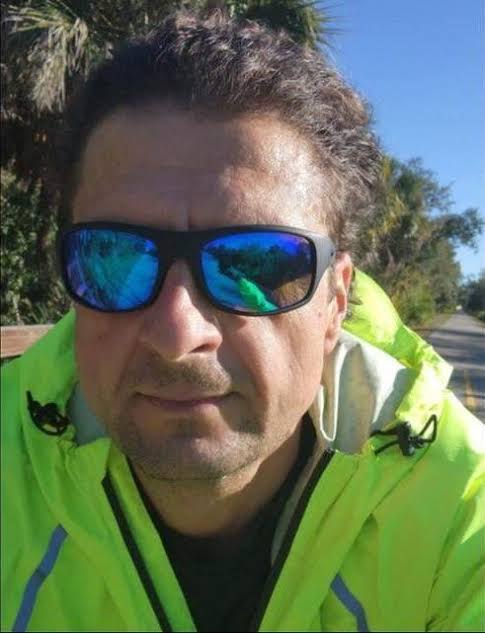
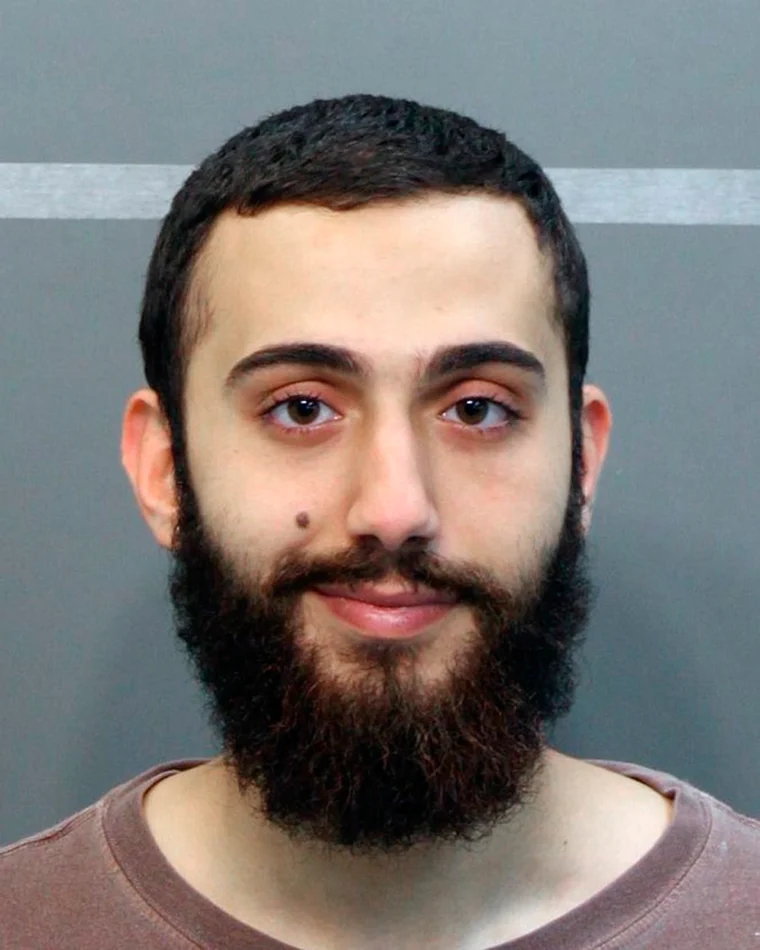
One Goh and the 2012 Oikos University Massacre
Background
One L. Goh was a former nursing student who carried out a mass shooting at Oikos University in Oakland, California, on April 2, 2012. Born Su Nam Ko in South Korea on November 18, 1968, he later immigrated to the United States and became a naturalized American citizen. In 2002, he legally changed his name to One Goh. By the time of the attack, he was 43 years old and living in the Oakland area.
Oikos University was a small private Korean Christian college located at 7850 Edgewater Drive in an Oakland business park near Oakland International Airport. The school offered programs in nursing, theology, music and Asian medicine. Goh had attended its nursing program but left the institution several months before the shooting following academic, disciplinary and financial disputes.
Investigators learned that Goh had developed intense resentment toward school administrators and some former classmates. He complained that students had mocked his limited English skills and treated him disrespectfully. He was also reportedly angry about tuition money that he believed the school owed him. Authorities said his original objective may have been to confront a female administrator, but she was not at the campus when he arrived.
The Attack at Oikos University
At approximately 10:30 a.m. on Monday, April 2, 2012, Goh entered the Oikos University campus carrying a .45-caliber semiautomatic handgun and four loaded magazines. He brought approximately 40 rounds of ammunition with him. The school was open, and students and employees were attending classes or performing their regular duties.
Goh encountered 24-year-old school receptionist Katleen Ping near the front of the building. He seized Ping and forced her toward a nursing classroom. Witnesses heard her calling for help as she was taken through the school. Inside the classroom, Goh ordered students to stand against a wall. Survivors later recalled that he announced his intention to kill them before beginning to fire.
Goh shot students at close range and continued firing as terrified occupants attempted to hide or escape. Some people barricaded classroom doors, turned off lights or fled through rear exits. Teachers helped students leave the building while gunfire continued in adjoining rooms and hallways. The confined layout of the small campus created confusion as students tried to determine where the shots were coming from.
Seven people were fatally wounded. Six were students, and one was a school employee. Three additional victims suffered gunshot wounds but survived. After firing most of his ammunition, Goh left the building and stole the vehicle of one of the victims. He drove away before Oakland police officers reached the campus.
Victims Killed
- Tshering Rinzing Bhutia, 38 – A nursing student originally from Gyalshing, India. He worked as a janitor at San Francisco International Airport while attending classes. He was killed inside Oikos University at 7850 Edgewater Drive in Oakland on April 2, 2012.
- Doris Chibuko, 40 – A Nigerian-born mother of three who had previously practiced law in Nigeria. She immigrated to the United States in 2002 and was nearing completion of her nursing education. She was killed inside the university on April 2, 2012.
- Sonam Choedon, 33 – A Tibetan nursing student who had come to the United States from Dharamsala, India. She was studying to enter the medical profession when she was killed at Oikos University on April 2, 2012.
- Grace Eunhae Kim, 23 – A nursing student who supported herself while attending school by working as a waitress. She was killed during the classroom attack on April 2, 2012.
- Katleen Ping, 24 – A receptionist employed by Oikos University and the mother of a young son. Goh forced her from the reception area toward a classroom before fatally shooting her on April 2, 2012.
- Judith Seymour, 53 – A nursing student from Guyana who was close to completing her studies. She had two adult children and was preparing for graduation when she was killed on April 2, 2012.
- Lydia Sim, 21 – A San Francisco-born student of Korean heritage who hoped to work in medicine and reportedly wanted to become a pediatrician. She was killed inside the Oakland campus on April 2, 2012.
Wounded Survivors and Emergency Response
Three people were wounded during the shooting. One publicly identified survivor was nursing student Dawinder Kaur, who suffered serious injuries. Emergency personnel transported wounded victims to local hospitals while police officers searched the building room by room. Officers initially had to determine whether the gunman remained inside and whether there was more than one attacker.
Students emerged from the school crying, bleeding and attempting to contact relatives. Some had hidden beneath desks or remained locked in darkened classrooms until officers reached them. Medical personnel established a triage area outside the campus, and law-enforcement agencies closed surrounding roads while searching for the fleeing gunman.
Escape and Arrest
After leaving Oikos University, Goh drove away in a victim's stolen car. He later abandoned the vehicle and discarded his handgun in a waterway connected to San Leandro Bay. Police recovered the weapon several days later.
Only a few hours after the massacre, Goh entered a Safeway supermarket at the South Shore Center in Alameda, approximately five miles from the university. He approached employees and admitted that he had shot people. Alameda police officers arrived and arrested him without further violence. He was transferred to Oakland authorities and identified as the sole suspect in the attack.
During questioning, Goh provided information about the shooting and his grievances against Oikos University. Police said he appeared to understand that people had been killed, although subsequent psychiatric evaluations raised serious questions about his mental condition and his ability to participate in court proceedings.
Criminal Charges and Mental Competency
On April 4, 2012, Alameda County prosecutors charged Goh with seven counts of murder, three counts of attempted murder, carjacking and related firearm offenses. Prosecutors alleged that the killings were deliberate and that Goh had entered the university prepared to carry out a mass attack.
Goh initially pleaded not guilty. His attorneys requested psychiatric examinations after observing behavior that suggested severe mental illness. Evaluators concluded that he suffered from paranoid schizophrenia and could not adequately understand the proceedings or assist in his defense. On January 7, 2013, a judge ruled that he was mentally incompetent to stand trial and ordered him committed to a state psychiatric facility for treatment.
For several years, Goh remained under psychiatric care while courts periodically reviewed his competency. In August 2014, an Alameda County grand jury formally indicted him on seven murder counts and three attempted-murder counts. Proceedings remained delayed because doctors continued to consider him unable to stand trial.
Plea and Sentence
After years of treatment, Goh was eventually found competent enough for the criminal case to continue. On May 2, 2017, he pleaded no contest to seven counts of murder and three counts of attempted murder. A no-contest plea resulted in criminal convictions without requiring a lengthy trial in which prosecutors would have presented testimony from survivors, investigators and medical experts.
On July 14, 2017, an Alameda County judge sentenced Goh to seven consecutive life terms plus an additional 271 years in prison. The sentence provided no possibility of parole. Relatives of the victims addressed the court and described the permanent emotional and financial damage caused by the murders.
Death in Prison
One Goh died on March 20, 2019, while incarcerated at California State Prison, Sacramento. He was 50 years old. His death ended any remaining legal proceedings, but the sentence ensured that he would never have been released from custody.
Aftermath and Legacy
The Oikos University shooting was the deadliest mass killing in Oakland's history. The attack devastated a small educational community whose students included immigrants seeking careers in nursing and other professions. Many of the victims had worked long hours, supported families and made significant sacrifices to attend school in the United States.
Memorial services were held for the victims in Oakland and within their respective cultural and religious communities. Families in the United States, Nigeria, India, Tibet, Guyana, South Korea and the Philippines mourned relatives whose lives had intersected at the small Oakland college.
The massacre also renewed discussion about campus security, access to firearms, treatment of severe mental illness and the identification of threatening behavior before violence occurs. Although investigators established Goh's resentment toward the school, no grievance could explain or justify his decision to murder students and employees who had gathered at Oikos University on the morning of April 2, 2012.