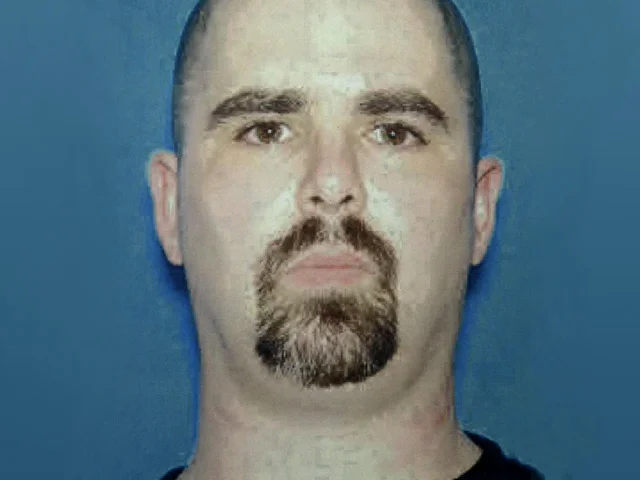
Clifton McCree and the 1996 Fort Lauderdale Workplace Massacre
Background
Clifton McCree was a 41-year-old former municipal employee who carried out a deadly workplace shooting in Fort Lauderdale, Florida, on February 9, 1996. McCree, who was born on November 23, 1954, had served in the United States Marine Corps and later spent approximately 18 years working for the City of Fort Lauderdale. His duties included beach cleaning and maintenance work for the city’s Parks and Recreation Department.
McCree had once worked alongside the men he later attacked. However, his employment deteriorated amid accusations that he used drugs while working, threatened coworkers and behaved aggressively toward members of the public. He was fired by the city in December 1994 after failing a drug test and following complaints about his conduct.
City officials reportedly offered McCree counseling when he was terminated, but he rejected the suggestion and maintained that there was nothing wrong with him. Some coworkers later said that McCree had made threats about returning to the workplace and killing people. At the time, some of the threatening statements were apparently dismissed as angry remarks or jokes rather than treated as evidence of a planned attack.
Resentment After His Termination
During the 14 months following his dismissal, McCree remained deeply angry over the loss of his job. He believed that racism had influenced the city’s decision to fire him and that white supervisors and coworkers had treated him unfairly. He reportedly made repeated attempts to regain his municipal employment, including an unsuccessful effort shortly before the massacre.
McCree’s inability to return to work reportedly caused serious financial and emotional strain. He had a family to support and expressed despair over no longer being able to provide for them. Rather than moving beyond the dispute, he became increasingly focused on the people he blamed for his termination.
Investigators later found a suicide note on McCree’s body. In the note, he described his former coworkers and supervisors as racist and indicated that he intended to punish those he believed had wronged him. The note showed that the shooting was a deliberate act of revenge rather than a spontaneous confrontation.
The Morning of February 9, 1996
At approximately 5:00 a.m. on Friday, February 9, 1996, members of Fort Lauderdale’s beach-maintenance crew were gathered inside a small municipal office near East Las Olas Boulevard and the Intracoastal Waterway. The office consisted of prefabricated trailers and was used by employees to meet before beginning their daily assignments.
Several workers were seated around a conference table, reportedly eating breakfast or preparing for their morning briefing, when McCree entered the trailer. He was dressed in dark clothing and carried two firearms. His primary weapon was a 9-millimeter Glock semiautomatic pistol. He also had a loaded .32-caliber revolver in a shoulder holster, although investigators determined that he did not fire the second weapon.
Upon entering the room, McCree announced that everyone was going to die. He then raised the Glock and began firing at the employees seated around the table. The workers had little warning and almost no opportunity to escape from the confined trailer.
The Shooting
McCree fired repeatedly into the group of city employees. Some victims were struck while seated at the conference table, while others were shot as they attempted to take cover beneath desks, tables and chairs. Contemporary reports stated that several of the men suffered gunshot wounds to the head.
The attack continued as McCree moved through the small office. Evidence indicated that he fired at least 12 or 13 rounds, although some accounts placed the total at 14. Police later recovered spent cartridge casings, an empty magazine and another magazine that still contained ammunition.
Five employees were killed during the shooting. A sixth worker, Lelan “Joe” Brookins, was critically wounded. Brookins survived the initial attack by remaining motionless and pretending to be dead after he was shot. He later provided police with an account of McCree’s statement immediately before the gunfire began.
A female employee entered or approached the trailer while the attack was underway. After realizing that McCree was shooting her coworkers, she escaped through a rear door and ran across the street to a convenience store to call police. Investigators believed McCree may have fired in her direction as she fled, but she was not struck.
Confirmed Victims
- Joseph Anthony Belotto, 40 — Shot and killed on February 9, 1996, inside the City of Fort Lauderdale beach-maintenance trailer near East Las Olas Boulevard in Fort Lauderdale, Florida.
- Mark Bretz — Shot and killed on February 9, 1996, inside the municipal beach-maintenance office in Fort Lauderdale, Florida.
- Kenneth Arnold Brunjes, 46 — A City of Fort Lauderdale employee who was shot and killed on February 9, 1996, inside the maintenance trailer near Fort Lauderdale Beach.
- Joseph Timothy “Tim” Clifford, 37 — Shot and killed on February 9, 1996, while gathered with fellow beach-maintenance employees inside the city trailer in Fort Lauderdale.
- Donald Leroy Moon Jr., 44 — Shot and killed on February 9, 1996, inside the City of Fort Lauderdale beach-maintenance facility.
Wounded Survivor
- Lelan “Joe” Brookins — Critically wounded during the February 9, 1996 shooting. Brookins survived the immediate attack by pretending to be dead and later helped investigators reconstruct what occurred. He reportedly died in 2006 from complications connected to the gunshot injuries he suffered during the massacre.
McCree’s Suicide
After shooting the employees, McCree turned the Glock on himself and died from a self-inflicted gunshot wound inside the trailer. The shooting was over before responding officers could confront or arrest him.
Police entered the office and discovered a scene containing the bodies of the five murdered workers, the critically wounded Brookins and McCree. The second firearm remained loaded in McCree’s shoulder holster. Investigators also recovered ammunition and the suicide note that explained his desire for revenge.
Because McCree died at the scene, there was no criminal trial and no opportunity for prosecutors to question him publicly about the planning of the attack. His note, employment history, previous threats and failed efforts to regain his job became the primary evidence used to establish his motive.
Motive and Suicide Note
McCree’s suicide note focused heavily on his belief that racism had led to his firing. He referred to people he blamed as racist and expressed a desire to punish them. He also wrote about his frustration over being unemployed and his inability to support his family.
Authorities concluded that the massacre was motivated by a combination of workplace revenge, perceived racial mistreatment, financial desperation and longstanding resentment. McCree appears to have deliberately returned to the workplace at a time when he knew the maintenance crew would be gathered together in a confined room.
The fact that McCree arrived carrying two loaded firearms and additional ammunition supported the conclusion that the attack was planned. His prior threats and the language of his suicide note indicated that he had contemplated violence before entering the trailer.
Warnings Before the Massacre
Following the killings, attention turned to the threats McCree had reportedly made after he was fired. At least one city employee recalled that McCree had threatened to return and kill people. His history of intimidating coworkers had also been cited as one of the reasons for his dismissal.
The case raised questions about whether those statements should have prompted stronger security measures or law-enforcement intervention. However, officials noted that threats made in anger were often difficult to evaluate, particularly before modern workplace-violence prevention programs became common.
The city facility was not designed to withstand an armed attack. It was a small work trailer where employees gathered at a predictable time every morning. McCree’s familiarity with the crew’s routine allowed him to enter when many potential victims were together and vulnerable.
Impact on Fort Lauderdale
The killings devastated Fort Lauderdale’s municipal workforce. The victims were longtime public employees who maintained the city’s beaches and public spaces. Coworkers, relatives and city officials struggled to understand how a former employee they had known for years could return and murder members of his old crew.
Fort Lauderdale Mayor Jim Naugle described the city as grieving following the attack. Counseling and support were made available to employees, while officials examined workplace security and the procedures used to respond to threatening behavior by current and former workers.
The massacre occurred only blocks from Fort Lauderdale’s heavily traveled beachfront tourist district. As investigators processed the trailer, ordinary activity continued nearby, creating a striking contrast between the violent crime scene and the beaches, restaurants and businesses surrounding it.
Legacy
The February 9, 1996 Fort Lauderdale shooting remains one of Florida’s most notorious incidents of workplace mass murder. Clifton McCree entered a familiar workplace, opened fire on former colleagues, killed five men, critically wounded a sixth and then died by suicide.
The case is frequently remembered as an example of grievance-driven violence in which an employee’s anger over discipline and termination developed into a planned act of revenge. McCree’s belief that he had been subjected to racism was central to his written explanation, but it did not justify his decision to murder men who were gathered for an ordinary workday.
Joseph Belotto, Mark Bretz, Kenneth Brunjes, Joseph Clifford and Donald Moon Jr. lost their lives inside the municipal trailer. Lelan Brookins survived the shooting itself but lived with devastating injuries that reportedly contributed to his death a decade later. Their names and experiences remain the most important part of the history of the Clifton McCree massacre.