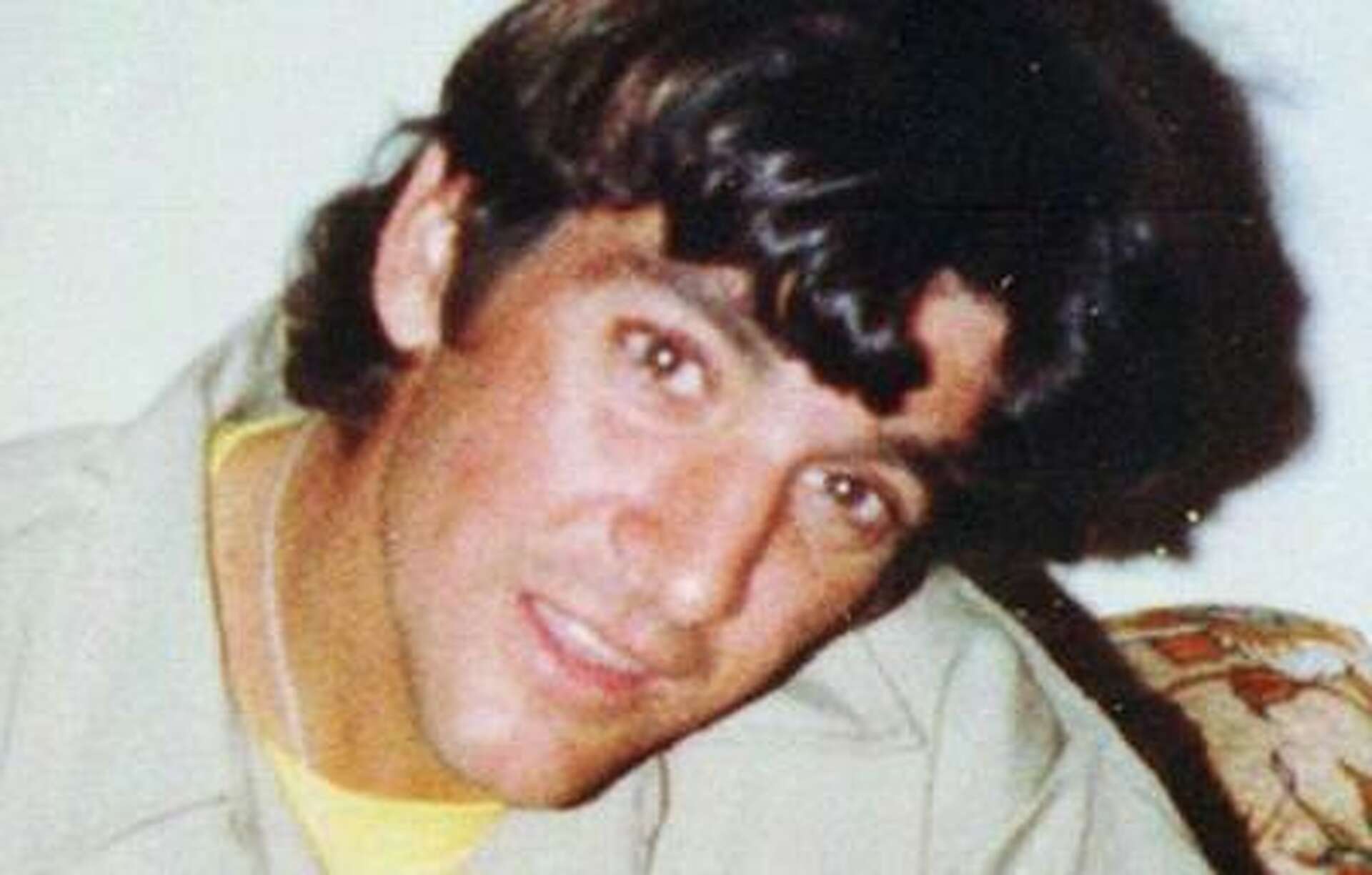
Jarrod Ramos and the 2018 Capital Gazette Massacre
Background and Grievance Against the Newspaper
Jarrod Warren Ramos carried out a carefully planned mass shooting at the Capital Gazette newspaper office in Annapolis, Maryland, on June 28, 2018. Armed with a pump-action shotgun, Ramos entered the newsroom and murdered five employees during one of the deadliest attacks against journalists in United States history. Two other people were injured, while numerous employees survived by hiding beneath desks, sheltering between filing cabinets or escaping from the building.
Ramos had developed a long-running grudge against the Capital Gazette after the newspaper published a July 31, 2011, column concerning his criminal harassment of a former high school classmate. The article described how Ramos contacted the woman online and subjected her to months of hostile and threatening messages. Ramos pleaded guilty to criminal harassment, received probation and was ordered to attend counseling.
In 2012, Ramos filed a defamation lawsuit against Capital Gazette Communications, the columnist who wrote the article and the newspaper’s former editor and publisher. The lawsuit was dismissed because Ramos could not demonstrate that the article contained false information. An appellate court upheld the dismissal in September 2015. Ramos continued attacking the newspaper, its employees and members of the Maryland judiciary through online messages and threatening correspondence.
Planning the Attack
By June 2018, Ramos had transformed his grievance into a plan for mass murder. He obtained a 12-gauge Mossberg 590A1 pump-action shotgun and prepared equipment intended to help him enter the newspaper office, obstruct escape routes and create confusion. Authorities recovered ammunition, smoke-producing devices and other materials associated with the attack.
Ramos studied the building at 888 Bestgate Road in Annapolis and understood the layout of the newspaper’s ground-floor office. Before opening fire, he placed a device against a rear exit so employees would have greater difficulty escaping. Investigators said his preparations demonstrated that the massacre was not spontaneous. He arrived intending to trap and kill people associated with the newspaper.
On the day of the attack, Ramos also mailed threatening letters to people connected with his unsuccessful defamation case. In one letter, he declared that he was proceeding to the Capital Gazette office with the objective of killing the people inside. The letters provided additional evidence that the shooting was a deliberate act of revenge rather than an impulsive confrontation.
The June 28, 2018, Newsroom Attack
At approximately 2:30 p.m. on June 28, 2018, Ramos approached the glass entrance to the Capital Gazette newsroom. He fired through the glass doors and entered the office carrying his shotgun. Employees initially heard the glass break and then realized that gunfire was moving through the newsroom.
Ramos advanced through the office and fired at employees as they attempted to flee or take cover. Survivors later described hiding beneath desks and hearing repeated shotgun blasts followed by the sound of the weapon being reloaded. The attack lasted only several minutes, but the enclosed newsroom and obstructed exit created a chaotic and terrifying environment.
Reporter Wendi Winters confronted Ramos as he moved through the office. Witnesses said she charged toward him while carrying a trash can and recycling bin. Her actions distracted Ramos and gave other employees additional time to escape, hide or move away from his line of fire. Winters was fatally shot, but survivors later credited her intervention with saving lives.
Photographer Paul Gillespie encountered Ramos near an exit and was fired upon while attempting to escape. Other employees, including Selene San Felice, Phil Davis, Rachael Pacella, Anthony Messenger and Janel Cooley, were endangered as Ramos moved through the office. Pacella suffered serious injuries while escaping, and San Felice was wounded by gunfire.
Police officers reached the building within minutes of the first emergency calls. Officers entered the office and found Ramos hiding beneath a desk. He was taken into custody without being killed or seriously injured. Five Capital Gazette employees were dead, two people had been physically injured and many others had endured the attack at close range.
Victims Murdered at the Capital Gazette
- Gerald Fischman, 61 — Murdered on June 28, 2018, inside the Capital Gazette newsroom at 888 Bestgate Road in Annapolis, Maryland. Fischman was the newspaper’s editorial page editor and a respected columnist known for his precise writing, quiet personality and extensive knowledge of local and national affairs.
- Rob Hiaasen, 59 — Murdered on June 28, 2018, inside the Capital Gazette newsroom in Annapolis. Hiaasen was an assistant editor and weekend columnist who had worked as a reporter, editor and mentor. He was remembered for helping younger journalists improve their work and for bringing warmth and humor to the newsroom.
- John Patrick McNamara, 56 — Murdered on June 28, 2018, inside the Capital Gazette office. McNamara, widely known as John or Johnny Mac, was a sports reporter for The Capital and an editor and reporter for the Bowie Blade-News. He spent decades covering local athletics and had also written books about University of Maryland sports.
- Rebecca Ann Smith, 34 — Murdered on June 28, 2018, inside the Capital Gazette office in Annapolis. Smith worked as a sales assistant and had joined the organization only months before the attack. She was remembered as a caring, energetic woman who was devoted to her family.
- Wendi Winters, 65 — Murdered on June 28, 2018, while confronting Ramos inside the newsroom. Winters was a community reporter and special publications editor who had written thousands of articles about Annapolis residents, local events and charitable organizations. She was posthumously awarded the Carnegie Medal for her heroic attempt to stop and distract the gunman.
Immediate Aftermath
Despite losing five colleagues and having their newsroom transformed into a crime scene, surviving Capital Gazette employees continued working. Reporters and editors gathered in parking areas, communicated from their homes and coordinated with employees of The Baltimore Sun. They published the next edition of the newspaper on June 29, 2018, with photographs of the five victims on the front page.
The newspaper left its editorial page largely blank beneath a statement explaining that the staff was speechless. The decision became a public expression of grief while the publication of the newspaper itself demonstrated the staff’s refusal to allow the attack to silence local journalism.
The murders caused widespread mourning throughout Annapolis and the surrounding communities. Vigils were held for the victims, and journalists across the country expressed solidarity with the Capital Gazette. The massacre also renewed discussions about newsroom security, threats against journalists, firearm violence and the difficulty of responding to individuals who engage in prolonged threatening conduct.
Charges and Admission of Guilt
On July 20, 2018, an Anne Arundel County grand jury indicted Ramos on 23 criminal counts. The charges included five counts of first-degree murder, one count of attempted first-degree murder, six counts of first-degree assault and 11 counts of using a firearm during a felony or crime of violence.
The attempted-murder charge concerned Ramos firing at Paul Gillespie. The assault charges covered Gillespie and other employees who were directly threatened by Ramos as he moved through the newsroom. Ramos was held without bail because authorities considered him a danger to the public and a flight risk.
On October 28, 2019, Ramos pleaded guilty to all 23 charges. His guilty pleas established that he had committed the murders and assaults, but he continued to claim that he should not be held criminally responsible because of mental illness. Under Maryland law, a person could acknowledge committing an offense while asking a judge or jury to determine whether a mental disorder prevented the person from appreciating the criminal nature of the conduct or controlling his actions.
Criminal-Responsibility Trial
Ramos’s criminal-responsibility trial began in June 2021 after lengthy delays, including postponements associated with the COVID-19 pandemic. Defense attorneys presented evidence concerning his mental condition and argued that he suffered from delusional beliefs connected to his legal disputes and perceived persecution.
Prosecutors countered that Ramos had planned the attack rationally and methodically. They emphasized his purchase and preparation of the shotgun, his study of the office, his effort to block an exit, the threatening letters mailed before the shooting and his attempts to conceal himself when police entered. The state argued that these actions demonstrated his understanding that the murders were illegal and his ability to control and organize his conduct.
On July 15, 2021, a jury found Ramos criminally responsible for all five murders and the related offenses. The verdict rejected his insanity defense and made him eligible to receive conventional prison sentences for the crimes.
Sentencing
On September 28, 2021, Judge Michael Wachs sentenced Jarrod Ramos to five consecutive life terms without the possibility of parole, one for each person he murdered. The judge also imposed an additional 345 years for attempted murder, assault and firearm offenses.
During the sentencing hearing, survivors and relatives of the victims described the permanent consequences of the massacre. They spoke about lost spouses, parents, siblings, friends and colleagues, as well as the trauma experienced by those who survived inside the newsroom. The court was also told that Ramos had displayed little remorse and had made statements indicating that he remained dangerous.
The consecutive sentences ensured that Ramos would never be released from prison. Judge Wachs described his conduct as demonstrating an extreme disregard for human life. The punishment formally concluded the criminal case more than three years after the newsroom attack.
Legacy of the Crime
The Capital Gazette massacre was not an indiscriminate attack on a random public location. It was a targeted act of revenge against a newspaper that had truthfully reported on Ramos’s earlier harassment case and successfully defended itself against his lawsuit. His grievance expanded over several years through litigation, online hostility, threats and eventually a planned assault on employees who had little or no personal involvement in his dispute.
The five victims were killed while carrying out the ordinary work of a community newspaper. Their deaths affected families, readers, coworkers and the broader Annapolis community. Memorials and journalism awards have continued to honor their lives, while surviving staff members have spoken publicly about trauma, resilience and the importance of preserving local news organizations.
Ramos remains imprisoned under five consecutive life-without-parole sentences plus 345 years. His attack is remembered as a calculated mass murder driven by a prolonged personal vendetta and as a devastating assault on a newsroom whose employees continued publishing even after five of their colleagues were killed.