Kyle Aaron Huff and the 2006 Capitol Hill Massacre
Background
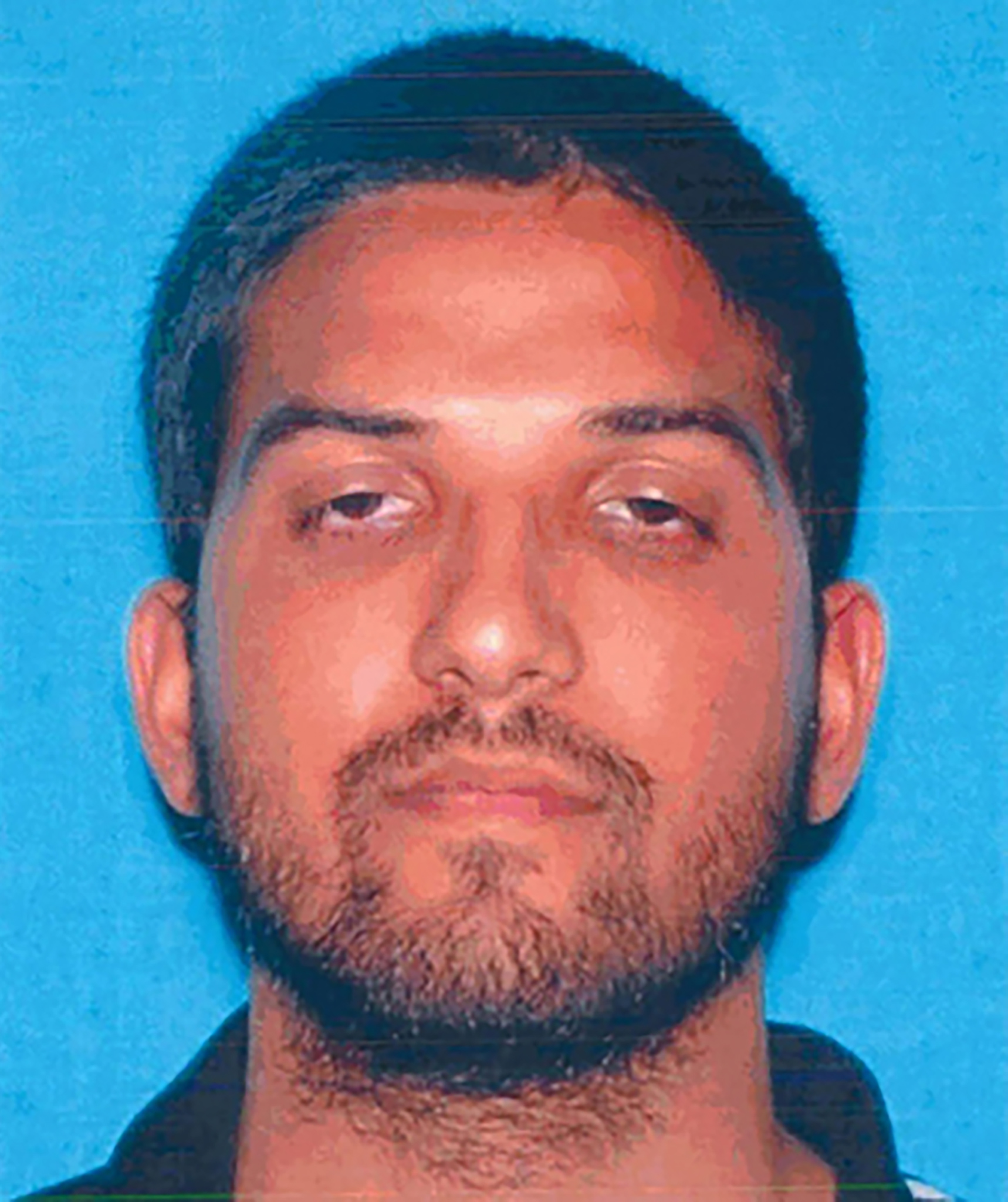
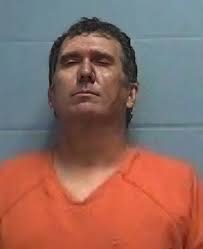
Kyle Aaron Huff was a 28-year-old man responsible for the Capitol Hill massacre in Seattle, Washington, on March 25, 2006. During the early-morning attack, Huff entered a private residence where young people had gathered after attending a dance event. He opened fire with a shotgun and a handgun, killing six people and wounding two others before taking his own life as a police officer confronted him outside the house.
Huff was born on September 22, 1977, and grew up in Whitefish, Montana. He later moved to Seattle with his identical twin brother, Kane Huff. The brothers shared an apartment in North Seattle. Kyle Huff held several delivery jobs and generally lived a quiet and isolated life. People who knew him offered conflicting descriptions, with some remembering him as polite and reserved while others recalled a temper and periods of emotional withdrawal.
Before the massacre, Huff had only a limited criminal history. In 2000, he was arrested in Whitefish after firing a gun at a fiberglass moose that was part of a public art display. He was originally accused of a felony but eventually pleaded guilty to a reduced misdemeanor charge. Firearms seized during that investigation were later returned to him after he paid restitution and completed the requirements of the case.
The Better Off Undead Event
On the night of March 24, 2006, a zombie-themed dance event called Better Off Undead was held at the Capitol Hill Arts Center in Seattle. Hundreds of people reportedly attended during the evening. The event itself had security personnel and ended without a major violent incident.
Huff attended the event even though he was not a recognized member of Seattle's rave community and apparently knew few, if any, of the people present. During the night, he was invited to an informal after-party at a house approximately one mile away. The residence was located at 2112 East Republican Street in Seattle's Capitol Hill neighborhood.
Huff arrived at the house sometime during the early morning of March 25. Witnesses later said he initially appeared quiet and did not create a disturbance. He spent time inside the residence with the other guests before leaving. His departure did not immediately cause concern because attendees were regularly entering and leaving the gathering.
Preparing for the Attack
After leaving the house, Huff went to his pickup truck, which was parked nearby. He armed himself with a Winchester Model 1300 Defender 12-gauge pump-action shotgun and a Ruger P944 .40-caliber semiautomatic pistol. He also carried a large quantity of ammunition.
Investigators concluded that Huff had brought an extensive collection of weapons and ammunition into the neighborhood. Inside his truck, police later found a Bushmaster XM15 E2S rifle, another handgun, additional ammunition, a baseball bat and a machete. The rifle and several of the other weapons were not used during the massacre.
Authorities later examined Huff's computer activity and personal behavior. A Seattle Police Department review concluded that he may have been contemplating an attack before the night of the killings. Employees at another entertainment venue reportedly remembered seeing him sitting in his truck and observing people arriving for events. Investigators also found indications that he had searched for information about upcoming dance gatherings. However, police never established a definitive motive.
The Capitol Hill Massacre
At approximately 7:00 a.m. on March 25, 2006, Huff returned to the residence carrying the shotgun and pistol. He encountered several people outside or near the entrance and began firing. He then moved into the house and continued shooting at guests who had little warning that an attack was underway.
The sudden gunfire created chaos throughout the residence. Some people attempted to hide, while others escaped through doors and windows. Emergency calls were placed as surviving attendees tried to understand what was happening and assist those who had been struck.
Huff fired repeatedly in different areas of the property. Evidence recovered after the attack showed that he used both the shotgun and the pistol. Live and discharged ammunition was found throughout the scene. Six people were killed and two others were wounded.
Several potential victims survived because they barricaded themselves inside rooms, remained concealed or escaped from the house. Investigators later stated that the number of deaths could have been significantly higher because numerous people were still present when the shooting began and Huff possessed far more ammunition than he used.
Victims Killed
- Melissa “China Doll” Moore, 14 — Killed on March 25, 2006, at or near the residence at 2112 East Republican Street in Seattle, Washington. Moore was remembered by relatives and friends as a generous and affectionate teenager.
- Suzanne Thorne, 15 — Killed on March 25, 2006, at the Capitol Hill after-party residence in Seattle. Friends described her as outgoing, social and passionate about music.
- Justin “Sushi” Schwartz, 22 — Killed on March 25, 2006, at the East Republican Street residence. Schwartz was well known within the local dance community and was remembered for his friendliness and energetic personality.
- Christopher “Deacon” Williamson, 21 — Killed on March 25, 2006, at the Seattle residence. Williamson was an aspiring disc jockey who participated in the area's electronic music community.
- Jeremy Martin, 26 — Killed on March 25, 2006, during the shooting at 2112 East Republican Street. Martin was remembered as hardworking, intelligent and curious.
- Jason Travers, 32 — Killed on March 25, 2006, at the Capitol Hill residence. Travers was remembered by friends as a gentle and supportive man who listened carefully to others.
People Wounded
- Kian Movasagi, 18 — Wounded during the March 25, 2006, attack at the East Republican Street residence in Seattle. He survived.
- Unidentified teenage victim — Wounded during the shooting and survived. The person's name was not widely released in public reports.
Police Confrontation and Huff's Death
Seattle police officers were dispatched to the neighborhood after receiving emergency calls reporting gunfire and multiple victims. Officer Steve Leonard was among the first officers to reach the scene. As he approached the residence, Huff came onto the front porch carrying the shotgun.
Leonard ordered Huff to drop the weapon. Before the officer could physically stop him, Huff used the shotgun to kill himself. Huff died at the scene on March 25, 2006. His death ended the immediate threat before responding officers could arrest or question him.
Police searched the house, yard and surrounding area while emergency personnel treated survivors. The investigation quickly confirmed that Huff had acted alone. Authorities found no evidence that his twin brother or anyone else had participated in planning or carrying out the massacre.
Investigation
Investigators searched the apartment Huff shared with his brother and recovered additional firearms, ammunition and personal material. They examined his computer, financial records, employment history and previous contacts with law enforcement. Detectives also interviewed relatives, former classmates, neighbors and people who had encountered him at local entertainment venues.
No suicide note or written explanation clearly identifying a motive was discovered. Investigators considered whether Huff resented people associated with rave culture, experienced severe personal frustration or had developed a broader plan to attack strangers. None of those possibilities could be conclusively proven.
A formal review of the case suggested that Huff had engaged in behavior consistent with preparation. His collection of weapons, the ammunition brought to the area and his possible observation of earlier events indicated that the massacre may not have been entirely spontaneous. However, it remained unclear whether the East Republican Street house was selected in advance or became his target only after he was invited to the after-party.
Questions About the Motive
Because Huff died at the scene and left no reliable explanation, the reason for the attack remains unknown. He did not have a documented personal conflict with the six people he killed. He was not a regular member of their social group, and investigators found no evidence that the victims had threatened or seriously mistreated him.
Some witnesses believed Huff appeared uncomfortable or out of place during the gathering. Others said there had been no obvious confrontation involving him. Reports that he had been mocked, rejected or angered at the party were investigated but were never established as a clear cause of the shooting.
Authorities also examined Huff's emotional condition and social isolation. He had reportedly become increasingly withdrawn and had limited close relationships outside his family. These circumstances were considered relevant to his state of mind, but they did not provide a complete explanation for his decision to murder six strangers.
Aftermath
The massacre devastated the families and friends of the victims and deeply affected Seattle's music and dance community. Memorial gatherings were held for those who died, and survivors described lasting emotional trauma from witnessing the attack and losing close friends.
The residence at 2112 East Republican Street became the center of an extensive crime-scene investigation. The surviving occupants faced public attention while attempting to recover from the violence that had occurred inside their home. Discussions followed about security at private gatherings, access to firearms and how communities should respond to warning signs associated with mass violence.
Officials emphasized that the shooting did not occur at the Capitol Hill Arts Center itself. The Better Off Undead event had ended, and the massacre took place later at a privately organized after-party. Nevertheless, the attack became closely associated with Seattle's rave culture because both Huff and most of his victims had attended the event before going to the house.
Historical Significance
The Capitol Hill massacre was one of the deadliest mass shootings in Seattle's history. At the time, it was the city's worst mass killing since the 1983 Wah Mee massacre, in which 13 people were murdered at a gambling club in Seattle's International District.
Kyle Aaron Huff killed six people, wounded two and ended his own life within a short period on March 25, 2006. The unanswered question of why he selected the gathering continues to define the case. Despite a major investigation and extensive examination of his life, authorities were never able to establish a single, confirmed motive for the murders.